Lower Your Next Personal Loan Interest Rate: Proven Ways to Save
There are moments when you need quick cash for family expenses, medical emergencies, or unexpected repairs. In those situations you may prefer not to dip into your savings. A personal loan is a practical option because lenders allow you to borrow funds without restricting the purpose for which they’re used.
With rising inflation, building savings becomes harder. Everyday costs climb, and essentials like groceries, transportation, and education cost more than before. Still, significant expenses and investments—such as securing your financial future or improving daily life—remain necessary.
For example, you might want to buy a house to generate rental income or purchase a vehicle to simplify your commute. In many cases, taking out a personal loan makes more sense than liquidating long-term savings or investments.
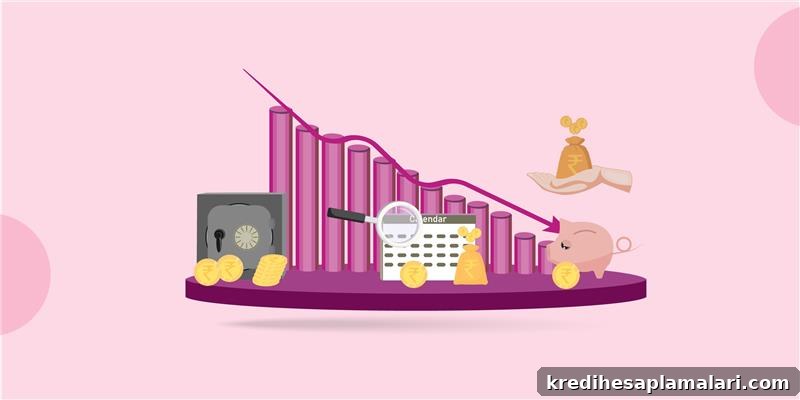
Loans help you reach goals or handle emergencies, but remember they come with a cost: interest charged on EMIs. Higher interest rates increase your monthly payments and the total amount repaid. When rates rise, so does the EMI calculated by an EMI calculator. Below are practical strategies to reduce the interest burden on a personal loan.
Make a Larger Down Payment
A larger down payment reduces the principal you borrow, which directly lowers the interest you pay and decreases your EMI. Since interest is calculated on the outstanding principal, contributing more upfront can significantly reduce the total cost of the loan over time. Whenever feasible, putting down a bigger sum is a smart way to reduce both monthly strain and long-term expenses.
Choose a Longer Repayment Tenure—Carefully
Extending the loan tenure spreads the principal over more months, cutting the monthly EMI. However, a longer tenure also means you pay interest for a longer period, which can increase the total interest paid over the life of the loan. Evaluate the trade-off: longer tenures reduce short-term cash outflow but may raise the cumulative interest. Consider your cash flow and long-term cost before opting for a longer term.
Consider a Step-Down EMI Plan
Some banks and non-banking financial companies offer Step-Down EMI plans. With this structure you pay higher EMIs at the start, and the EMI amount gradually decreases as the principal reduces. This approach can reduce interest expense in later stages and suit borrowers whose income is expected to decline—such as those approaching retirement—or those who prefer higher payments early on to lower long-term interest exposure.
Look to Your Existing Bank First
If you already have a relationship with a bank, check their loan offers before moving elsewhere. Existing customers who maintain good relationships and transaction histories may be eligible for preferential rates or quicker approvals. A competitive offer from your current bank can simplify documentation and may deliver cost advantages.
Negotiate Your Rate
If you have a solid relationship with your bank or a strong credit profile, negotiate for a lower interest rate. Lenders often value retained customers and may be willing to reduce rates to foster loyalty. It never hurts to ask—negotiation can lead to meaningful savings over the loan term.
Shop Around Before Switching Lenders
Don’t hesitate to explore other lenders if your current bank doesn’t offer favorable terms. Many reputable lenders compete for borrowers, so compare offers carefully. Pay attention to processing fees, prepayment charges, and any other hidden costs that can increase the loan’s effective cost. If you plan to transfer a loan, confirm whether your current lender charges transfer fees that could offset potential savings.
Make Prepayments When Possible
Prepaying part or all of your loan principal can significantly lower the total interest paid. If you receive a bonus, raise, or windfall, use it to reduce the outstanding principal. Even partial prepayments shorten the loan tenure and reduce interest liability. Use an EMI calculator to estimate how much you’ll save by prepaying.
Prioritize High-Interest Debts
Some debts, such as credit card balances, carry much higher interest rates than personal or housing loans. If you hold multiple loans—credit card debt, a personal loan, and a home loan—focus on paying off the highest-rate debt first while making minimum payments on the rest. Eliminating high-interest debt early can produce substantial long-term savings.
Consider a Balance Transfer
Balance transfer loans can lower your EMI and reduce interest costs if you move a high-interest loan to a lender offering a lower rate. However, assess processing charges and other transfer-related fees to ensure the move genuinely reduces overall cost. If you need guidance on selecting a suitable loan tenure or comparing options, tools and platforms such as Fibe can help you evaluate choices based on your needs.
Applying these strategies—larger down payments, careful tenure selection, step-down EMIs, negotiation, prepayment, prioritizing high-rate debts, and informed switching—can all help reduce the interest burden on personal loans and improve your overall financial health.