Issuer Identification Number: Complete Guide for Card Issuers and Merchants
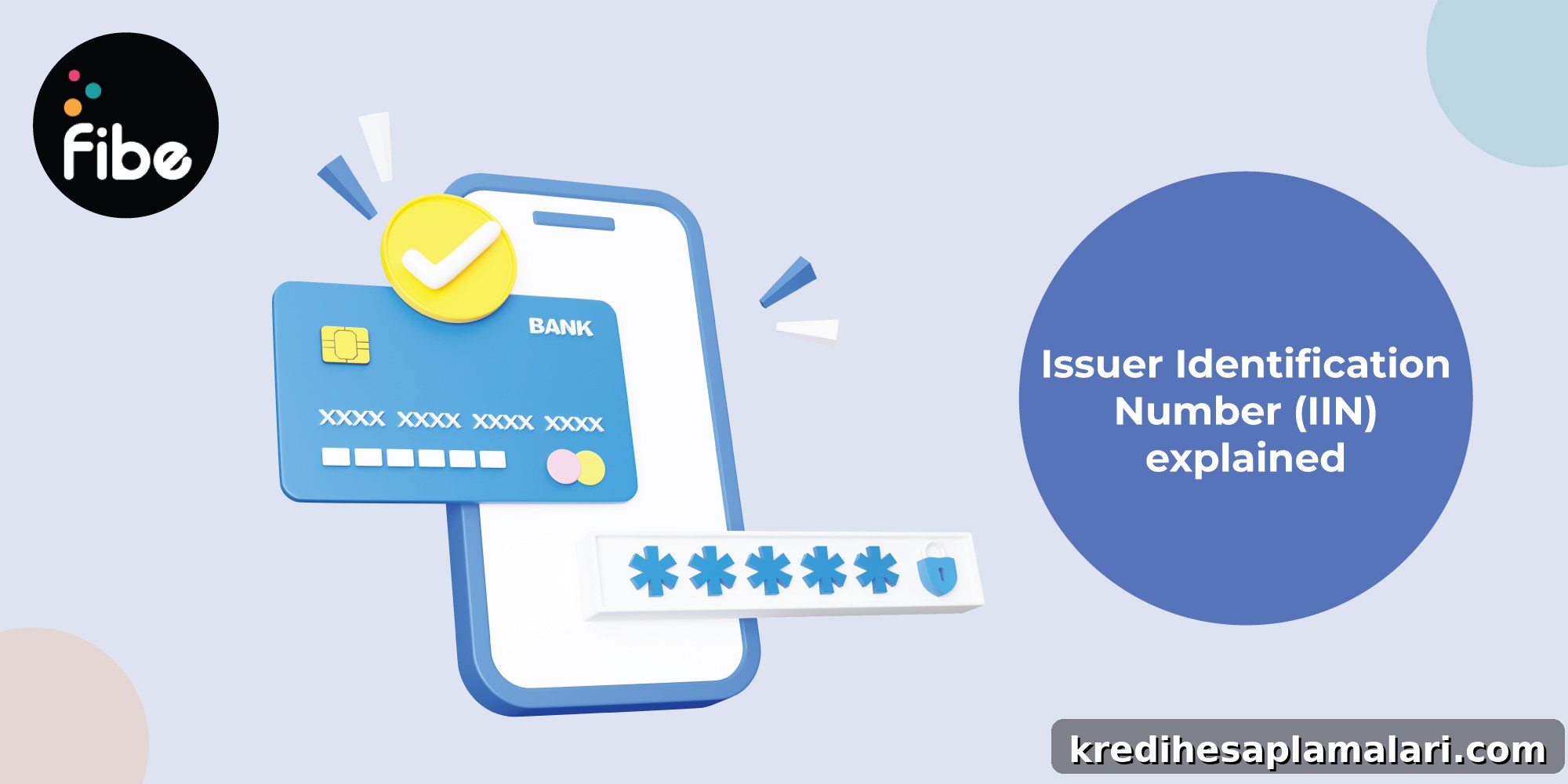
Wondering what an Issuer Identification Number (IIN) is? It’s a key element of payment cards like credit and debit cards. This number identifies the card issuer and the card’s processing network, helping banks and merchants route transactions correctly and reduce errors and fraud.
Below is a concise, SEO-friendly explanation of what an IIN is, how it works, and why it matters.
What do you mean by an Issuer Identification Number (IIN)?
An Issuer Identification Number is the sequence of the first 6 to 8 digits printed on a payment card. It normally appears before the Primary Account Number (PAN) and indicates both the card network and the industry associated with the card. The IIN is also commonly called the Bank Identification Number (BIN).
For example, if a credit card number is 5526 7184 3412 3720 and the issuer uses a 6-digit IIN, the IIN would be 552671. If the issuer uses an 8-digit IIN, the IIN would be 55267184.
Apply for Personal Loan
How does an Issuer Identification Number (IIN) work?
To understand IIN functionality, break it into two parts:
- Major Industry Identifier (MII)
- Bank Identification Number (BIN)
The first digit of the IIN is the Major Industry Identifier (MII), which signals the industry or network associated with the card. The remaining digits form the BIN, which identifies the specific issuer that issued the card.
Below is a useful reference for the MII first digit and the industries or networks it commonly represents:
| First Digit of IIN | Associated Industry/Credit Card Company |
|---|---|
| 1 | Airlines |
| 2 | Mastercard (some ranges) |
| 3 | Travel and entertainment |
| 4 | Visa |
| 5 | Mastercard |
| 6 | Discover and similar networks |
| 7 to 9 | Healthcare, petroleum, and other industries |
Why is the Issuer Identification Number (IIN) important?
The IIN carries significant importance in payment processing for several reasons:
Streamlines processing of payments
The IIN identifies the processing network used for a transaction, enabling merchant acquirers and payment gateways to route and settle transactions efficiently.
Prevents fraudulent activities
By identifying the issuer and network, the IIN supports verification and authentication checks that reduce the risk of unauthorized transactions and card fraud.
Helps in better management of payment cards
IINs simplify issuer identification, which cuts down processing time and errors when managing card portfolios, authorizations, and settlements.
Boosts confidence in payments
Accurate issuer identification helps ensure transactions are processed only for valid, authorized cardholders, increasing trust among merchants and customers.
Understanding what an IIN is clarifies a key part of how payment cards work. Even so, visible numbers on cards can create exposure to fraud. Numberless cards are one solution that reduces visible data and enhances security.
The Fibe Axis Bank Credit Card is an example of a numberless credit card available in India, designed to reduce risks associated with exposed card numbers while offering rewards and benefits. You can apply through the issuer’s app or website if interested.
FAQs on Issuer Identification Number
Why is an Issuer Identification Number important?
The IIN reveals the card company and the industry associated with a payment card. It streamlines payment routing, supports fraud prevention, and aids in issuer identification.
What is the difference between IIN and BIN?
There is no difference in practice: Issuer Identification Number (IIN) and Bank Identification Number (BIN) refer to the same initial digits that identify the card issuer.
What is the Bank Identification Number or BIN?
A Bank Identification Number (BIN) is the leading sequence of digits on a payment card that identifies the issuing institution and the industry sector associated with the card.