How to Spot and Recover from Financial Fraud: A Practical Guide
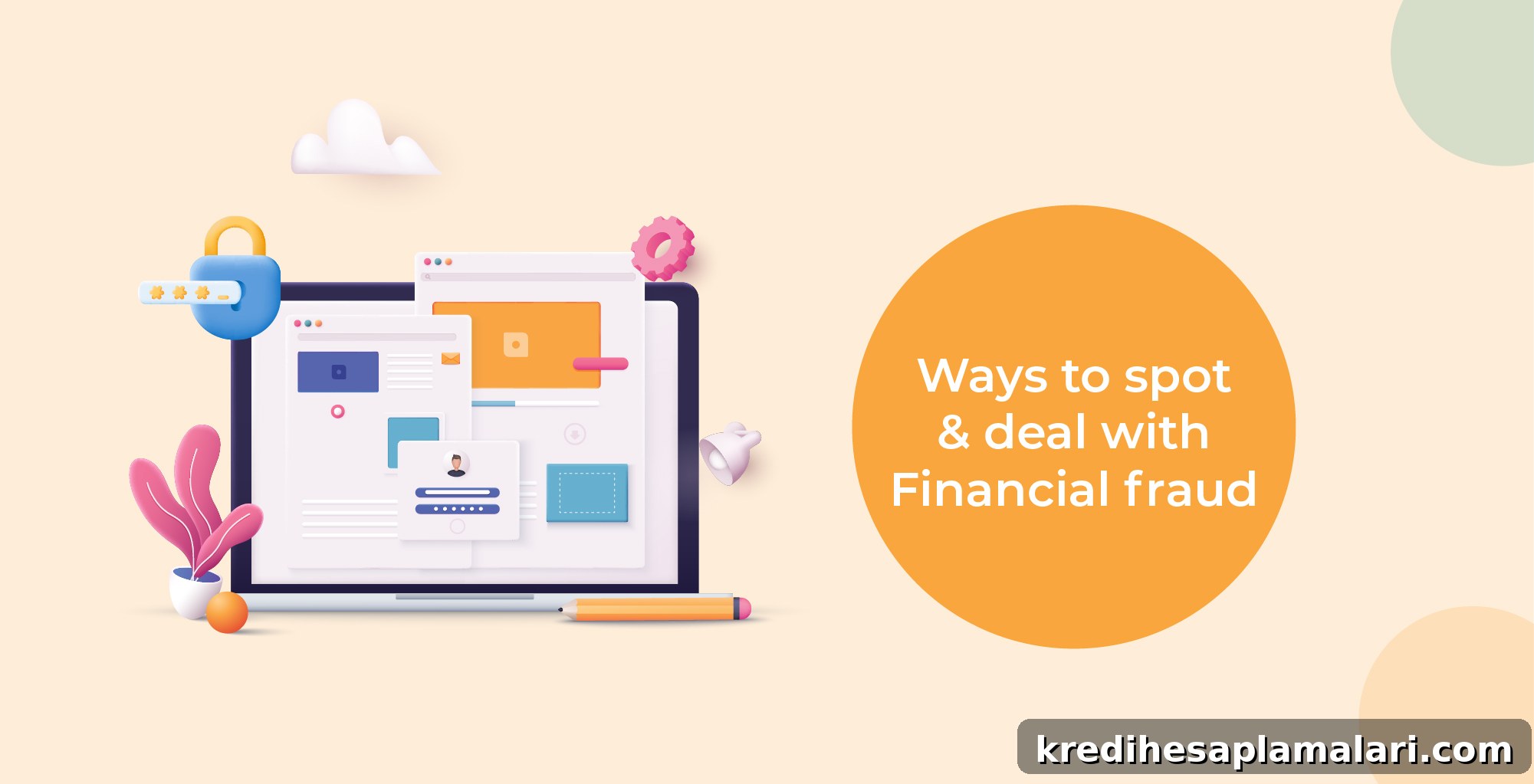
Identifying and addressing financial fraud promptly is crucial to protecting your money. Scammers use a wide range of tactics to steal funds, so understanding common schemes and warning signs will help you recognize and avoid them.
Read on to learn what financial fraud looks like, how to detect it, and what steps to take if you become a victim.
What is Financial Fraud?
Financial fraud happens when someone uses deception, misrepresentation, or illegal practices to take your money or assets, causing financial loss. Common types of financial fraud include:
- Online shopping scams
- Credit card and loan fraud
- Investment scams
- EMI and loan repayment fraud
- Advance-fee schemes
- Tax refund scams
- Identity theft
- Bank account fraud
Ways to Identify Potential Financial Fraud
Below are practical tips to help you spot common scams and protect yourself.
- Watch for Offers That Sound Too Good to Be True
Fraudsters often lure victims with promises of unusually high returns or guaranteed profits. Be skeptical of marketing that promises extraordinary results or “no risk” opportunities.
Typical red-flag claims include:
- Guaranteed high returns
- Doubling your investment quickly
- Zero-risk investments
To protect yourself:
- Request official documentation
- Cross-check claims with independent sources
- Verify the identity and credentials of the provider
- Verify Email Addresses and Phone Numbers
Fraudsters frequently use fake email addresses, spoofed display names, or unfamiliar phone numbers to contact targets. They may impersonate friends, family members, or trusted organizations to extract money or information.
Safeguards include:
- Check the email domain for legitimacy
- Look closely at the sender display name and email header
- Hover over links to see the actual URL before clicking; do not open suspicious attachments
- Watch for poor grammar or unusual phrasing
- Verify unknown phone numbers using a caller ID or online lookup
- Evaluate Documents Carefully
Scammers often create fabricated documents—brochures, account statements, bank notices, or misleading advertisements—to appear legitimate. If documents cannot be independently verified, treat them with caution.
Common scenarios involve fraudsters posing as bank representatives and showing fake notices to gain trust.
To avoid falling victim:
- Confirm notices and information directly with the bank or provider
- Do not make payments without verifying through official channels
- Keep personal and financial information private
- Monitor your accounts for unauthorized transactions
- Be Skeptical About Freebies and Special Privileges
Offers of freebies, exclusive privileges, or promotional benefits are common tactics used to sell financial products or lure victims. Always confirm such offers on the provider’s official website or through its verified customer service.
Avoid deals from unauthorized sources that promise:
- Free subscriptions or gifts
- Introductory promotions that sound unusually generous
- Limited-time offers that pressure you to act quickly
- Review Transaction Amounts and Payment Methods
Fraudsters often try to split transactions or direct payments to multiple accounts to evade detection. Be wary if asked to send money in several small transfers or to different recipients.
Warning signs include:
- Requests for multiple smaller transactions instead of a single payment
- Instructions to send funds to different bank accounts or phone numbers
What to Do If You Experience Financial Fraud
If you discover you are a victim of fraud, act quickly to limit damage. Take the following steps:
- Stop any further payments immediately
- Gather and preserve all proof of transactions and communications
- Contact your bank or payment provider to halt unprocessed payments
- Change PINs, passwords, and any compromised security details
- Report the incident to the appropriate authorities and regulators
- Review your insurance policies to see if losses can be recovered
Being proactive and vigilant can reduce your risk of loss. Always choose reputable lenders and financial institutions when borrowing or applying for credit.
FAQs on Financial Fraud
How do you detect financial fraud?
Common indicators of financial scams include:
- Promises that sound too good to be true
- Unexpected freebies or exclusive privileges
- Requests to transfer funds in small amounts or to multiple accounts
- Contact from suspicious email addresses or phone numbers
- Documents that cannot be independently verified
How do you deal with financial fraud?
Steps to respond to fraud include:
- Updating PINs and passwords immediately
- Collecting all transaction records and communications
- Contacting your bank to block or reverse unprocessed payments
- Checking insurance coverage for potential recovery
- Reporting the fraud to law enforcement or relevant authorities
What are effective methods to prevent financial fraud?
Practical tips to reduce your risk:
- Educate yourself about common fraud types
- Verify the sender’s contact information before responding
- Double-check details before making or authorizing payments
- Avoid offers and freebies that sound unrealistic
- Do not click unknown links or open dubious attachments
- Update passwords and PINs regularly and use strong authentication methods