How to Handle Unauthorized Credit Checks: Steps to Take Now
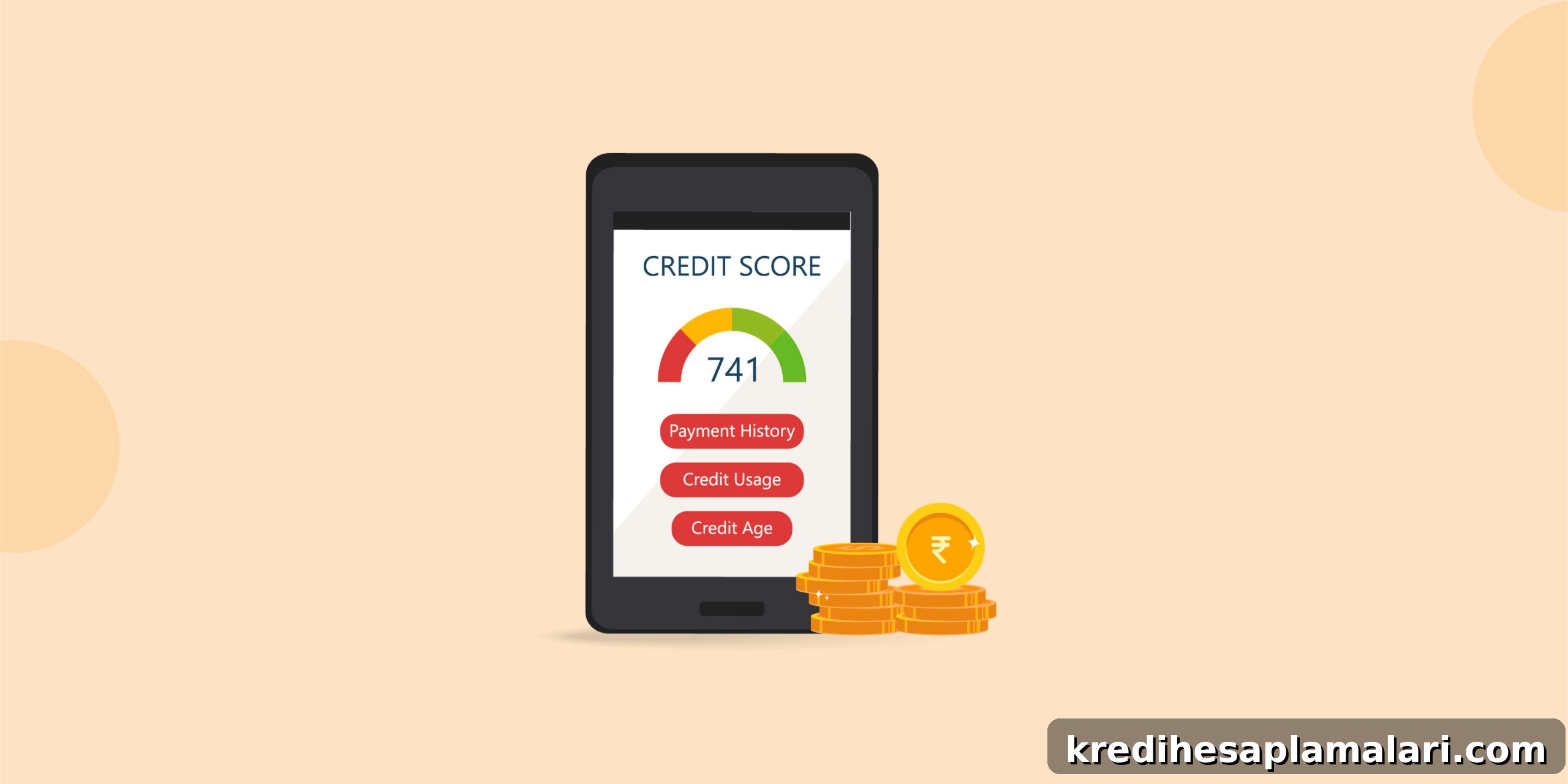
If you spot an unfamiliar entry on your credit report, it can be unsettling. A credit check without your consent might be an innocent mistake or a sign of something more serious, such as identity theft. Ignoring it is not advisable because unauthorized activity can lead to financial problems and stress.
In India, banks and other lenders must obtain your consent before accessing your credit report from bureaus like CIBIL, Experian, or Equifax. If you discover a credit check you did not authorize, act promptly to investigate and resolve it.
Below is a clear, step-by-step guide to help you respond when your credit is checked without permission.
Immediate Steps to Take If Your Credit Is Checked Without Permission
When you first notice an unauthorized inquiry on your credit report, follow these steps:
- Review your credit report carefully.
Pull a current copy of your report from the bureau that shows the inquiry and check all entries for accuracy.
- Log in to your CIBIL or other credit bureau account and verify the details.
- Name of the lender
- Date of the inquiry
- Type of inquiry (hard or soft)
- Confirm whether you gave authorization.
Some legitimate actions—applying for a loan, requesting a credit card, or using a fintech app—can trigger a credit check. If you did not initiate any such activity, the inquiry may be fraudulent.
- Raise a dispute with the credit bureau.
Major credit bureaus in India provide online dispute processes for unauthorized inquiries. When filing a dispute, include:
- Details of the inquiry
- A clear explanation of why it is unauthorized
- Identity documents if requested
- Contact the lender that made the inquiry.
Reach out to the financial institution listed on the inquiry and ask:
- Why was your credit pulled?
- Who authorized the check?
These questions help determine whether the entry resulted from an internal error or unauthorized access.
- Monitor for signs of identity theft.
If you notice multiple unauthorized inquiries or unfamiliar accounts, it could indicate that your personal information has been misused.
- Place a fraud alert if necessary.
Some bureaus let you flag your profile so lenders are alerted to exercise extra caution before approving new credit in your name.
How to Respond to Unauthorized Credit Inquiries
- Document everything.
Keep copies of the disputed report, emails, complaint IDs, and any correspondence related to the inquiry.
- Escalate if unresolved.
If the lender or bureau does not resolve the issue, escalate your complaint through the Reserve Bank of India’s grievance channels or the bureau’s higher-level complaint process.
- Follow up regularly.
Dispute investigations can take time; persistent follow-up helps move the process along.
- Understand the impact on your score.
A single unauthorized inquiry may have little effect, but several hard inquiries—especially fraudulent ones—can lower your credit score.
- Watch for repeat incidents.
Multiple unauthorized checks are a red flag that your personal data might be compromised; address the root cause promptly.
What to Do After an Unauthorized Credit Check
- Check your credit score periodically.
Make a habit of reviewing your credit report every two to three months to catch unfamiliar activity early.
- Update passwords and secure accounts.
If you suspect fraud, change passwords for banking apps, email, and any financial platforms. Enable two-factor authentication where available.
- Inform your bank or lender.
Alert your bank so they can monitor your accounts for suspicious transactions and add protections if needed.
- Limit sharing sensitive data.
Avoid sharing PAN, Aadhaar, account numbers, or other sensitive information on unverified platforms or over unsecured channels.
- Consider credit monitoring services.
Credit monitoring tools provide real-time alerts when new inquiries or accounts appear, helping you react quickly.
- Be cautious with third-party apps.
Many apps request permission to access credit information. Read terms carefully and grant access only to trusted providers.
Final thoughts
An unauthorized inquiry on your credit report should not be ignored, but it also isn’t always a cause for panic. Acting quickly—reviewing your report, filing disputes, and staying vigilant—protects your financial identity and peace of mind. Think of your credit report as your financial fingerprint: detecting and correcting errors early helps maintain your credit health.
FAQs on Credit Score Check Without Permission
Can someone check my credit score without my permission?
No. Lenders are required to obtain your consent before accessing your credit report. An unauthorized access attempt may be an illegal inquiry or a reporting error that needs investigation.
How do I report an unauthorized credit inquiry?
File a dispute with the relevant credit bureau—CIBIL, Experian, or Equifax—via their online portal. Provide details about the unauthorized inquiry and any supporting documents you have.
How long does it take to remove an unauthorized inquiry?
Investigations typically take around 15–30 days, depending on the complexity and the responsiveness of the lender involved.
Should I inform my bank about an unauthorized credit check?
Yes. Informing your bank helps them monitor your accounts for fraud and take preventive measures if required.
Can I block or restrict access to my credit report?
You cannot completely block access to your credit report, but you can take steps to reduce unauthorized checks: place a fraud alert, request closer monitoring of your report, and be careful about sharing personal details. These measures help lower the chance of someone checking your credit without permission.