How to Calculate and Pay Your Self-Assessment Tax Online
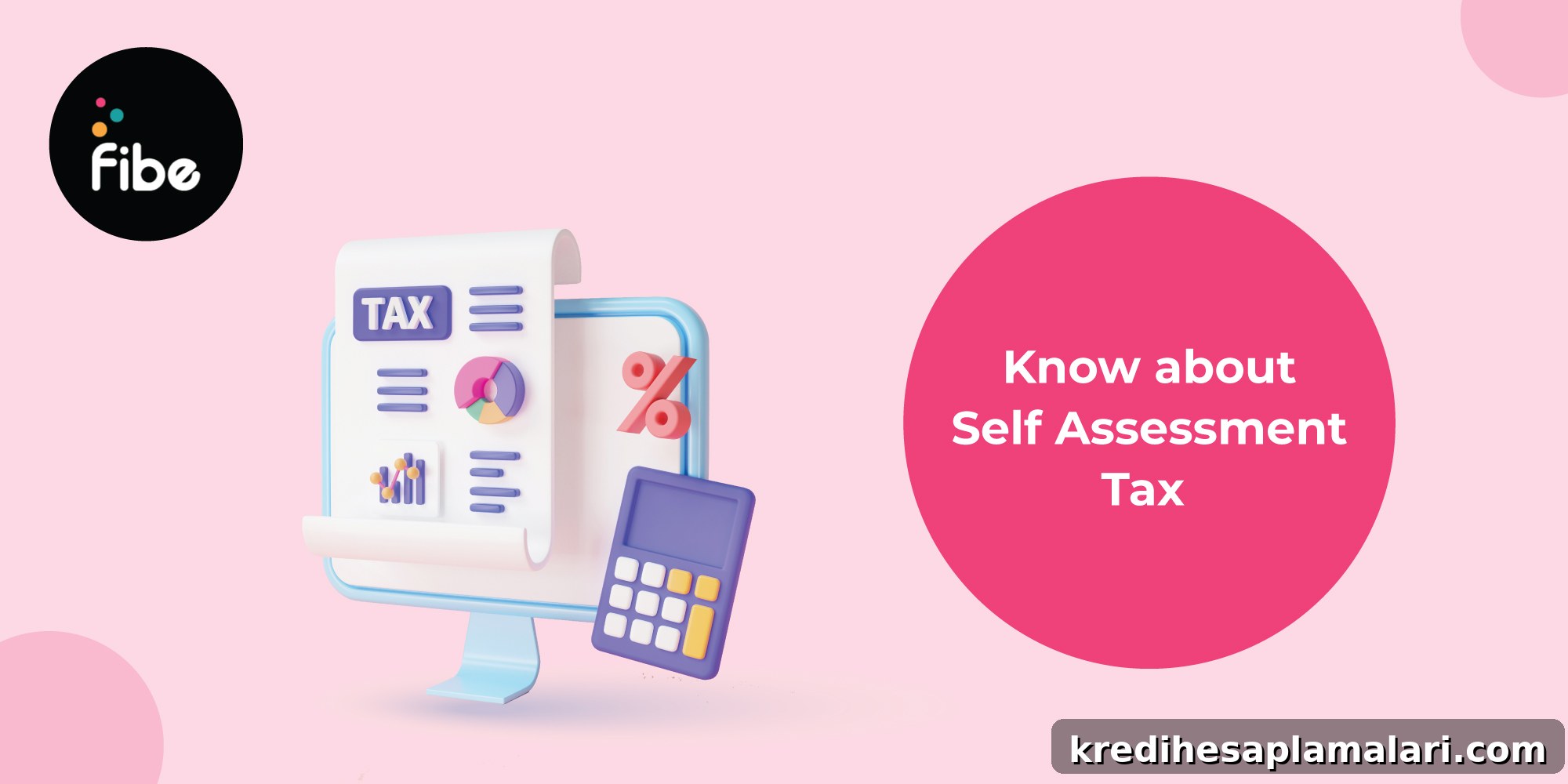
Understanding self-assessment tax is essential to comply with the country’s tax laws and avoid penalties for non-payment or delayed payment. Income tax in India is typically collected in three ways:
- Tax Deducted at Source (TDS)
- Advance Tax
- Self-Assessment Tax (SAT)
Below is a clear explanation of what self-assessment tax is, how to calculate it, and the steps to pay it online or offline.
Meaning of Self-Assessment Tax
Self-assessment tax is the additional tax an individual pays on their total income after accounting for TDS and advance tax already paid for the financial year. Taxpayers who are required to file an Income Tax Return (ITR) must ensure any outstanding liability is paid as self-assessment tax before filing.
Self-assessment tax becomes necessary when the tax deducted at source or paid as advance tax is less than the actual tax liability. Common reasons for this shortfall include:
- Omitting certain sources of income while estimating advance tax
- Incorrect or insufficient TDS deducted by the payer
- Salaried individuals earning additional income from investments, capital gains, or other sources not considered by their employer
Steps to Calculate Self-Assessment Tax
Follow these steps to calculate your self-assessment tax accurately:
- Step 1: Add up income from all sources—salary, business or profession, capital gains, house property, and other income.
- Step 2: Subtract eligible exemptions and deductions such as those under Section 80C, 80D, and others applicable to you.
- Step 3: Compute the tax payable on the net taxable income according to the income tax slab rates for the relevant assessment year.
- Step 4: Apply the following formula to determine the self-assessment tax due:
[(A + B) – (C + D + E + F)]
Where:
- A = Total tax payable
- B = Interest under sections 234A/234B/234C, if applicable
- C = Tax relief under Sections 90/90A/91
- D = MAT credit under Section 115JAA
- E = TDS/TCS
- F = Advance tax paid
Using this calculation will give you the exact self-assessment tax that needs to be paid before filing your ITR. For convenience and speed, many taxpayers use an online income tax calculator—just input your income, deductions, exemptions, and existing tax payments for an instant result.
How to Pay Self-Assessment Tax Online
Paying self-assessment tax online is straightforward through the Income Tax e-filing portal. Follow these steps:
- Step 1: Log in to your account on the Income Tax e-filing portal.
- Step 2: Go to the ‘e-File’ tab and select ‘e-Pay Tax’.
- Step 3: Click on ‘New Payment’ to begin.
- Step 4: Choose the ‘Income Tax’ option and proceed.
- Step 5: Select the Assessment Year and the payment type ‘Self-Assessment Tax (300)’, then click ‘Continue’.
- Step 6: Enter the tax amount, confirm details, and pay using your preferred payment mode (net banking, debit card, etc.).
- Step 7: Download and save the challan or payment receipt once the transaction is complete.
How to Pay Self-Assessment Tax Offline
If you prefer to pay offline, you can do so by submitting a challan at an authorised bank. The offline steps are:
- Step 1: Download and print Challan No. 280 from the Income Tax website.
- Step 2: Fill in required details such as PAN, assessment year, address, mobile number, and email ID.
- Step 3: Take the filled challan to a designated bank branch and pay by cash, cheque, or demand draft.
- Step 4: Collect the bank’s receipt for your records; this serves as proof of payment.
Consequences of Non-Payment of Self-Assessment Tax
Failing to pay self-assessment tax can lead to several adverse consequences:
- Liability to pay interest on the unpaid tax amount, which can increase the total liability substantially.
- Potential penalties or prosecution in severe cases of non-compliance.
- Your ITR may be treated as a defective or invalid return until dues are cleared.
- Imposition of late fees and additional interest under relevant tax provisions.
To avoid these outcomes, calculate your tax liability carefully and pay any self-assessment tax due before filing your return. If you need short-term funds to meet tax obligations or other expenses, consider regulated financial products that suit your needs and repayment ability.
FAQs on Self-Assessment Tax
What is self-assessment tax with an example?
Example: If your taxable income results in a tax liability of ₹3,00,000 and there are no TDS or advance tax payments, the self-assessment tax payable would be ₹3,00,000. If part of that amount was already paid as TDS/advance tax, the SAT would be the remaining difference after accounting for those payments.
Is self-assessment tax compulsory?
Yes. If you are required to file an income tax return and your TDS or advance tax paid is less than your actual tax liability, you must pay the balance as self-assessment tax before filing the return.
How do I check my self-assessment tax?
You can check details of your tax payments and any outstanding self-assessment tax by logging into the e-Filing portal of the Income Tax Department and reviewing your tax credit statement and payment history.