How to Block Your Credit Card: Online and Offline Steps
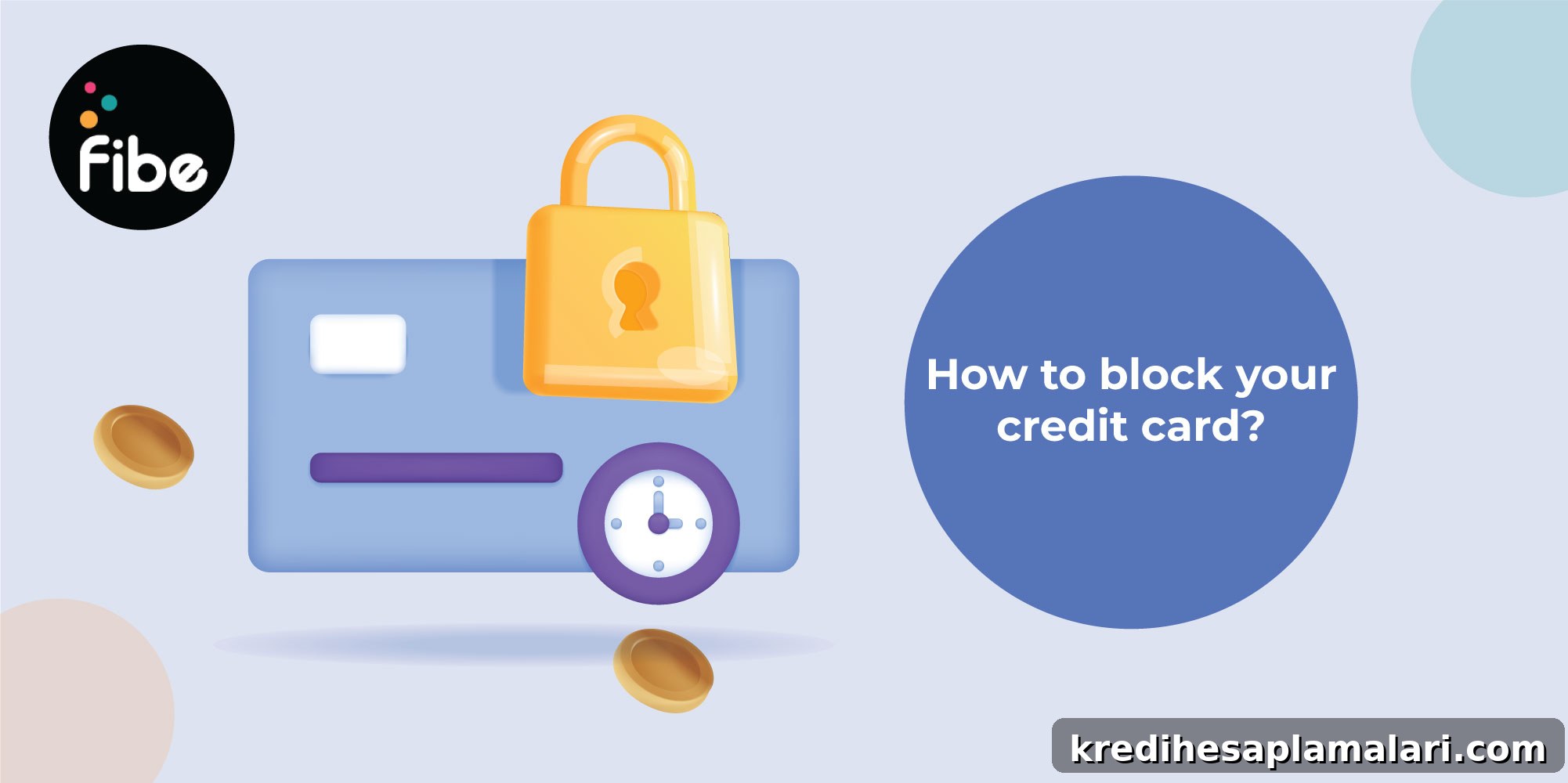
Knowing how to block a credit card is essential. Unauthorized transactions can quickly increase your bill, trigger fees, and create a financial burden that harms your credit score. Acting promptly to block a compromised card helps limit losses and protect your financial standing.
Below is a clear, practical guide to blocking credit cards, the common methods issuers provide, and safety tips to reduce the risk of fraud.
How to Block a Credit Card?
The moment you notice suspicious activity, lose your card, or suspect it has been stolen, your first step should be to block the card. Blocking prevents further transactions and protects your account while you arrange a replacement.
Most issuers let you block a card through multiple channels: mobile app, online banking, customer care, SMS, or by visiting a branch. After blocking, you can typically request a replacement card and retain access to your approved credit limit once the new card is activated.
Why Block a Credit Card?
Blocking a card is a fast and effective way to stop misuse and regain control of your finances. Typical reasons to block a credit card include:
- You misplaced the card and want to prevent unauthorized use
- You suspect fraudulent activity on your account
- You want to temporarily halt spending to avoid impulse purchases
Block Your Credit Card in 5 Ways
Credit card issuers generally offer several convenient options to block a card quickly. Choose the method that works best for you based on urgency and what’s available from your provider.
- Call Customer Care
Contact the issuer’s customer service number and report your lost or compromised card. After identity verification, the agent can block your card immediately and advise on next steps, such as requesting a replacement.
- Use Net Banking
Sign in to your net banking account and navigate to the credit card section. Many banks provide a simple “block card” option where you select the reason and submit the request. The card is usually blocked immediately or within a short processing window.
- Use the Mobile App
Most card issuers include a card-blocking feature inside their mobile apps. Log in, find the card controls, select the block option, and follow the prompts. Depending on the app, the process is often instant and lets you request a replacement card from the same interface.
- Send an SMS
Some banks support SMS-based blocking. Send a message from your registered mobile number in the format specified by the issuer and to the designated SMS banking number. You can usually find the required format and number on the issuer’s website or your billing statement.
- Visit a Branch
If online options are unavailable, visit a nearby branch to request a card block in person. You may be asked to submit a written request or fill out a form and present identification. Branch staff can arrange the block and guide you through requesting a new card.
Safety Tips to Protect Your Credit Card
Blocking a card is an important emergency step, but preventing fraud in the first place is even better. Use these practical tips to keep your credit card information safe:
- Do not store credit card details on public or unsecured websites
- Use only encrypted websites (look for HTTPS) and trusted networks when making payments
- Never share your credit card PIN or CVV
- Change your PIN periodically and avoid obvious numbers
- Enable SMS and email alerts to monitor transactions in real time
- Opt for e-statements instead of printed statements to reduce paper exposure
- Report a lost or stolen card immediately to minimize liability
- Use strong, unique passwords for net banking and mobile banking apps
Following these practices reduces the chance of card misuse and makes it easier to detect suspicious activity early.
If you want enhanced security features, consider cards that limit visible card information or support secure digital payment methods. Many modern cards and apps offer protections such as tokenization, numberless designs, and UPI linking to reduce exposure of card details.
FAQs on Blocking Credit Cards
Can a credit card be blocked permanently?
Yes. If you believe a card is permanently compromised—lost or stolen beyond recovery—you can request a permanent block. The issuer will deactivate the card number and issue a replacement card with a new number.
What happens if someone uses my lost credit card?
Your liability depends on how quickly you report the loss. If you notify the issuer within the time frame they specify, you are typically protected from charges incurred after the report. Failure to report promptly may result in some liability, depending on the issuer’s policy.
How do I unblock a credit card?
To unblock a card, contact your issuer through their net banking portal, mobile app, customer care, or by visiting a branch. The issuer will verify your identity and can reactivate the card if it was temporarily blocked. If the card was permanently canceled, you’ll need the replacement card to resume usage.