How to Block or Unblock Your ATM/Debit Card: 5 Practical Methods
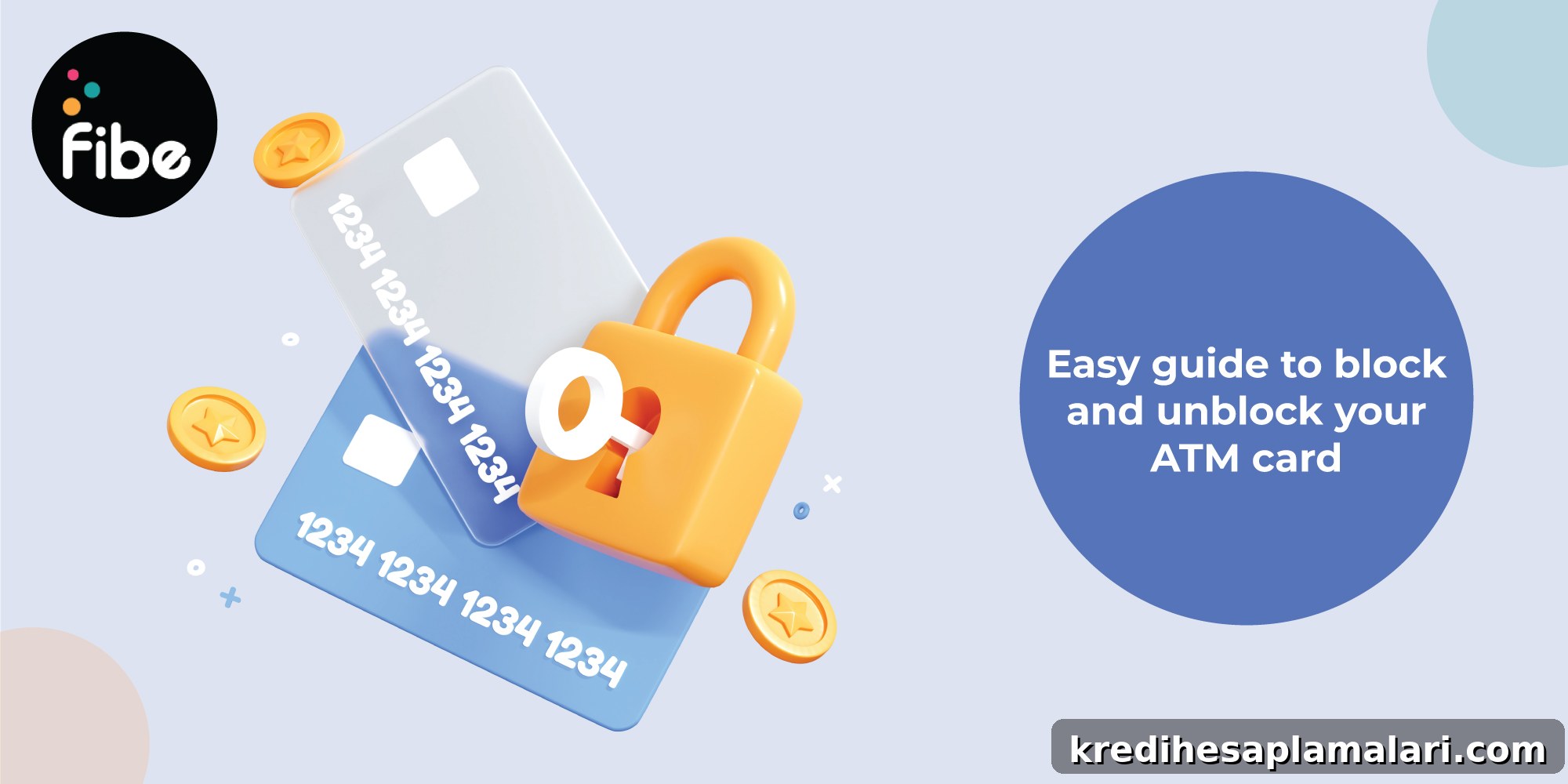
Blocking your ATM or debit card is an effective way to protect your funds when you suspect fraud, lose your card, or want to prevent unauthorized transactions. It’s a quick, secure option offered by banks so you can limit exposure immediately. If you later determine the card is safe, you can unblock it and regain normal access to your account. Below is a clear guide on when and how to block or unblock an ATM card, plus practical safety tips to reduce the risk of card misuse.
- Report suspicious transactions or unexpected account activity
- If your card is lost or stolen
- To prevent unauthorized charges or temporary misuse
Once you block a card, the bank prevents transactions until you or the bank unblocks or replaces the card. Read on for the most common blocking and unblocking methods, situations when a bank may block a card automatically, and steps to keep your card secure.
How to Block an ATM Card?
You can block your ATM or debit card through several channels—phone, branch, online, mobile app, or SMS. Choose the most convenient option for your situation:
Through Customer Care
Calling customer care is one of the fastest ways to block a card. The bank will verify your identity with security questions or account details and then block the card immediately. You should receive confirmation by SMS or email once the action is complete.
At the Branch
If you prefer an in-person option, visit a nearby branch. A bank representative will confirm your identity, record the request, and block the card for you. This can be useful if you need further assistance or documentation.
Through Net Banking
Most banks provide an option to block cards via their website. Typical steps include:
- Step 1: Log in using your credentials
- Step 2: Navigate to the card management or security section
- Step 3: Select the card you want to block
- Step 4: Provide a reason for blocking and any required details
- Step 5: Confirm the request and wait for confirmation
On the Mobile Banking App
Most mobile banking apps include a card management or security dashboard with a block card option. After registering for mobile banking and logging in, tap the card management feature and follow the prompts to block your card immediately.
With SMS Banking
Some banks let you block your card by sending an SMS in a prescribed format from your registered mobile number. After you send the message, the bank will process the request and confirm by SMS when the card is blocked.
In certain cases, a bank may block a card automatically for security reasons, for example:
- If the wrong PIN is entered multiple times
- If a large purchase drains the account to zero or raises fraud concerns
- If the card has expired
- If the bank detects a security breach
If your card is auto-blocked, contact the bank to confirm the reason and learn how to restore access.
How to Unblock an ATM Card?
Unblocking a card is usually straightforward and can be done online, by phone, or at a branch. The exact options vary by bank, but common methods include the following.
Automatic Unblock
If your card was blocked because of repeated incorrect PIN entries, some banks automatically unblock the card after 24 hours. Check your bank’s policies to confirm the exact waiting period.
At the Bank Branch
If you cannot use online services, visit a local branch. Provide your identification and account details, submit a request to unblock, and the bank will process it after verification. This is helpful if you need immediate assistance or replacement of the physical card.
Through Online Mode
Net banking and mobile apps commonly include a card unblock feature. After logging in, navigate to card services or security settings, select the blocked card, and follow the prompts to request unblocking. You will receive confirmation once the process completes.
Through SMS
Some banks allow unblocking via SMS in a specified format sent from your registered mobile number. After the bank processes the request, you should receive a confirmation message.
Safety Tips to Follow When Using the Debit Card
Preventive measures reduce the likelihood of needing to block or replace a card. Follow these practical tips to keep your card and account safer:
- Use a secure, private network for online transactions
- Enable two-factor authentication where available
- Never write down or share your ATM PIN
- Change your PIN periodically
- Turn on instant mobile notifications for transactions
- Avoid handing your card to cashiers whenever possible; prefer chip-and-pin or contactless methods you control
These precautions help protect both debit and credit cards. If you want a card with fewer visible details, some banks issue numberless cards that keep card numbers hidden to reduce fraud risk.
Apply these practices routinely: they provide an effective layer of protection and make managing card security quicker and simpler.
FAQs on Blocking and Unblocking ATM Cards
How can I block my ATM card by SMS?
Send an SMS in the bank’s required format from your registered mobile number to the bank’s designated SMS banking number. The bank will process the request and send confirmation once the card is blocked.
Can we unblock ATM cards online?
Yes, many banks allow card unblocking through net banking or mobile banking apps. Log in, go to card services, and follow the instructions to unblock the card.
How can I block my ATM card immediately?
Call the customer care helpline for immediate blocking, or use your bank’s net banking or mobile app to block the card instantly.
How do I withdraw money from a blocked account?
If your card is blocked, you may need to wait until it is unblocked. If access is urgent, contact the bank branch for alternative withdrawal options; timing and solutions vary by bank.
Why was my ATM card blocked, and how can I find out the reason?
Check the card status in your net or mobile banking portal or call customer care. The bank can explain the reason and advise on next steps to unblock or replace the card.
Will I receive a notification if my ATM card is blocked?
Yes, the bank typically sends a confirmation SMS or email when a card has been blocked, whether you initiated it or the bank blocked it for security reasons.