How Solar Net Metering Works: Understanding Energy Credits
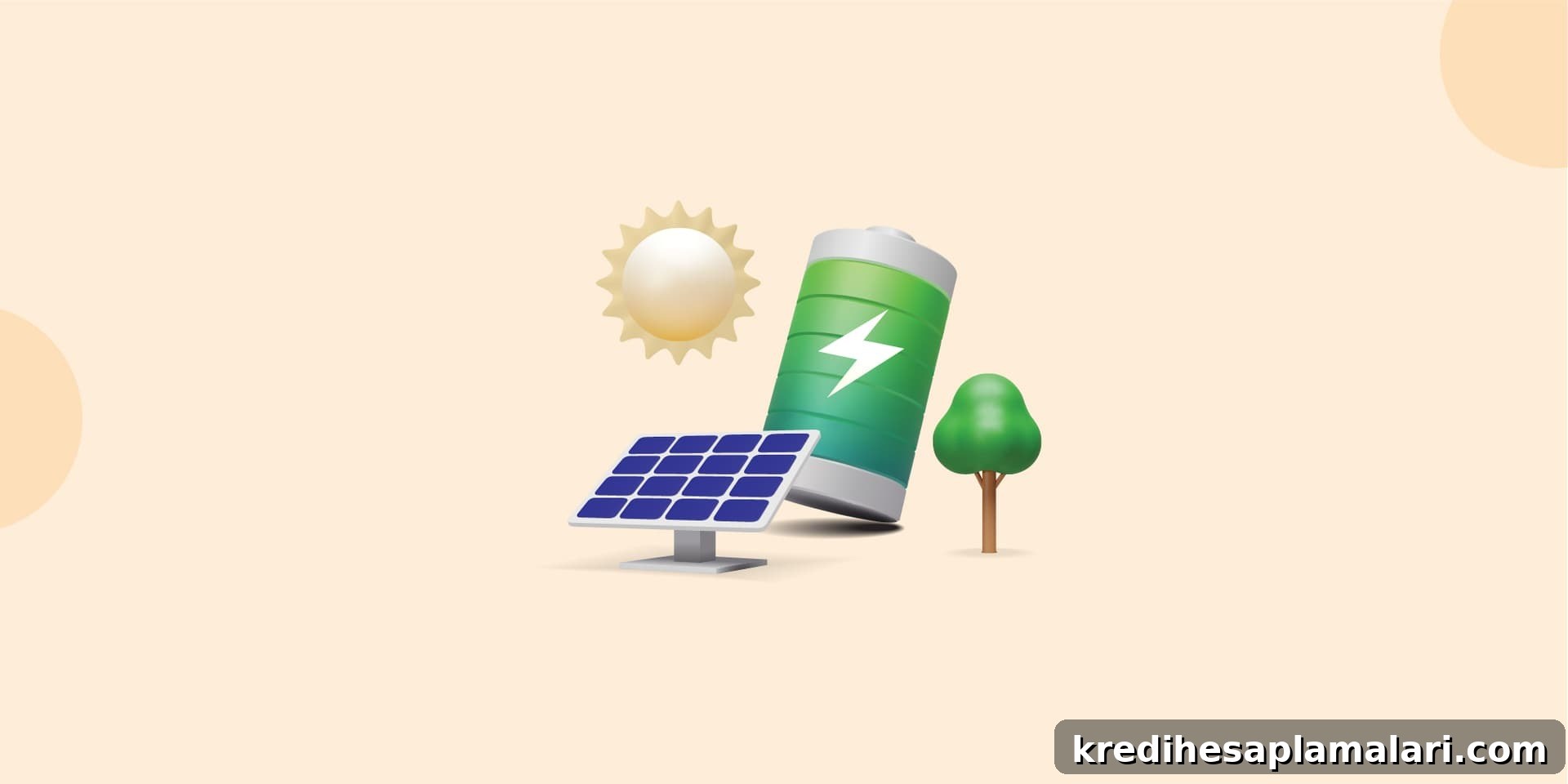
Imagine you’re considering solar energy — to cut electricity bills, reduce dependence on the grid, or lower your carbon footprint. One question people often overlook is: what happens to the surplus electricity your solar system produces when you don’t need it? Can that excess be used, and do you receive any benefit for it?
That’s where solar power net metering comes in. Net metering tracks the electricity your solar system sends to the grid and the electricity you draw from it. It works like an energy balance sheet: when you understand its mechanics, you’ll see why net metering is one of the most practical advantages of installing solar.
What is a Net Meter?
A net meter is a bidirectional meter. Unlike a conventional meter that only records consumption, a net meter records both the electricity you consume from the grid and the electricity your solar panels export to the grid.
On a sunny afternoon your panels may generate more power than your appliances need. The extra power flows to the grid, and the net meter logs those exported units. Later, when the sun goes down and your panels produce little or no power, you draw energy from the grid and the meter logs that import as well.
At the end of the billing period the utility calculates the net total — exported units minus imported units — and your bill reflects that net usage. If you exported more than you imported, the surplus shows up as energy credits you can carry forward.
How Does Solar Power Net Metering Work?
Suppose your household consumes 250 units in a month and your solar system exported 100 units to the grid during that same period. Your utility will bill you only for the net 150 units. If your exports exceed your consumption, the excess becomes credit on your next bill.
In simple terms, the net metering process follows these steps:
- Your solar panels generate electricity during daylight hours.
- You use the energy you need immediately within the house.
- Any surplus flows back into the main grid.
- You earn credits for those exported units.
- When you later draw power from the grid, those credits offset your consumption.
Net metering ensures the energy your panels produce is utilized effectively even when you don’t consume it directly.
What Does a Solar Net Metering Bill Look Like?
A typical net metering bill separates energy you consumed from what you exported and shows the resulting net usage and credits. A basic bill layout usually includes:
| Section | What It Means |
|---|---|
| Units Consumed from Grid | Power taken when solar production was insufficient |
| Units Sent to Grid | Extra power your system exported |
| Net Energy | Grid power used minus exported units |
| Energy Credits (if any) | Surplus units carried forward |
| Final Bill Amount | Charges based on net usage |
This layout helps both you and the utility understand how energy moved in and out of your home. The objective is to minimize net usage over time, ideally reaching zero or showing a credit balance.
How to Apply for a Solar Net Meter Connection?
Applying for a solar net meter connection typically involves several steps. While exact procedures vary by utility, the common stages are:
Step 1: Complete Your Installation
Ensure your solar installation is fully complete, including panels, inverter and any required safety devices. Installations must comply with your distribution company’s technical standards and safety guidelines.
Step 2: Submit the Solar Net Meter Application
File the net metering application online or at your local utility office. Commonly requested documents include:
- Identity proof
- Most recent electricity bill
- System layout and capacity details
- Ownership proof or a no-objection certificate (NOC) if the location is rented
Step 3: Site Visit and Inspection
After submission, the utility schedules a site inspection to verify installation safety, panel placement and inverter specifications.
Step 4: Meter Installation
Once approved, the utility replaces your existing meter with a bi-directional net meter that records both imports and exports.
Step 5: Activation and Billing
After final testing and activation, your connection operates under net metering and your energy inflows and outflows are tracked for billing.
Why Should You Use Net Metering?
You might wonder — if you generate your own electricity, why interact with the grid at all? Solar panels don’t store energy unless paired with batteries, which significantly increases cost. Net metering uses the grid as a practical virtual battery: excess daytime generation is exported and credited so you can draw from the grid when needed.
Key benefits of net metering include:
- No wastage: Surplus electricity is exported and credited instead of going unused.
- Monthly savings: Credits reduce your final bill each cycle.
- Energy reliability: The grid supplies power when solar production is low.
- Smoother returns: Net metering helps you recover the cost of your solar investment over time.
- No batteries needed: The grid functions as virtual storage, avoiding the expense and maintenance of battery systems.
Conclusion
Solar power net metering is a practical way for homes and businesses to maximize the value of their solar systems by converting daytime surplus into usable credits. While the upfront cost of panels and installation can be substantial, many financing options exist to spread that cost. If you’re considering solar, review local net metering policies and explore financing solutions that fit your budget and goals.
FAQs
What is net metering in a solar energy system?
Net metering records how much electricity your solar system supplies to the grid and how much it draws back. Your bill reflects only the net usage, and any surplus you export is carried forward as credit.
Is net metering allowed in India?
Yes, most Indian states permit net metering, though regulations vary by state and by distribution company. Limits on system size, credit calculations and application procedures can differ, so check your local utility’s rules before applying.