How Long Does It Take for Your CIBIL Score to Update?
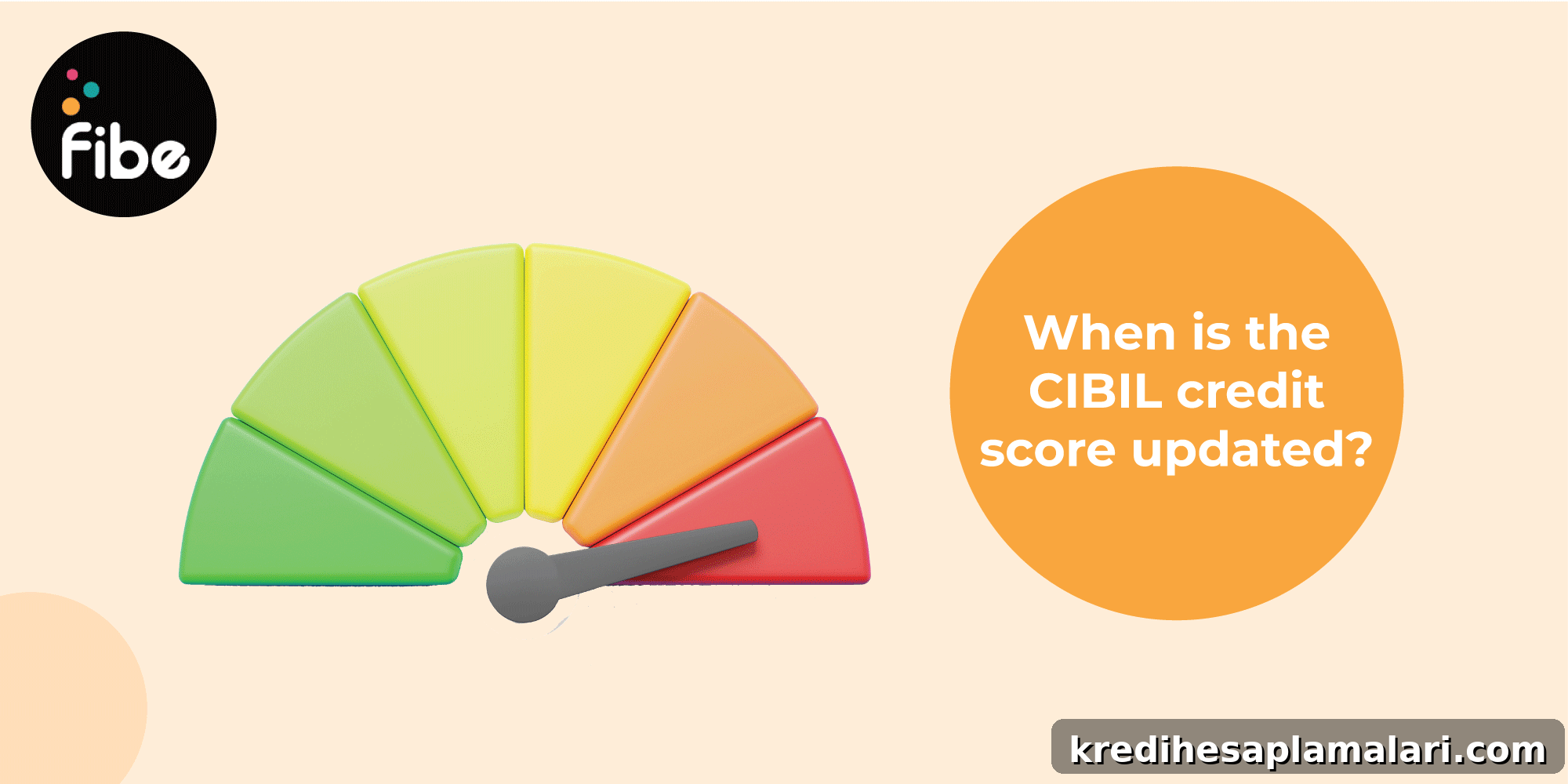
Your CIBIL score is updated based on several factors, including recent credit activity and how promptly lenders report transactions to credit bureaus. Before applying for any credit, keep these essentials in mind:
- Check your most recent credit score and use that figure when applying for a loan
- Monitor your score regularly to ensure payments and other updates are accurately reflected
Below is a clear overview of why a good CIBIL score matters, when updates occur, and what influences the timing of those updates.
When Does the CIBIL Score Get Updated?
The CIBIL score is a key tool lenders use to judge a borrower’s creditworthiness. It reflects your credit behaviour—how you manage loans and credit cards—and helps lenders decide whether to grant credit. Generally, CIBIL updates scores every 30 to 45 days based on the data received from banks and financial institutions. These entities report account activity such as payments, new accounts, balances, and defaults on a regular cycle, which is why most score changes appear monthly. Certain events can, however, cause a score to change sooner.
1. Report Disputes or Errors
If you raise a dispute or report an error on your credit record, the subsequent investigation can change your score. Investigations can take time—often up to 90 days—and any validated corrections will be reflected once the records are updated.
2. Loan/EMI Payments
Consistently paying EMIs and credit card bills on time improves your CIBIL score, while missed or late payments hurt it. Paying off loans or taking on new credit also affects your score and will be visible in the monthly update cycle. Practising good credit habits over time steadily raises your score.
Also Read: Understanding CIBIL Score
What Is the Significance of a Good CIBIL Score?
A credit score is a three-digit number ranging from 300 to 900 that summarises your credit behaviour. The core rule to remember is simple: the higher your score, the stronger your chances of loan approval. Beyond approval odds, a healthy score brings other benefits:
- Reduces the lender’s perceived risk, speeding up approvals for loans and credit cards
- Enables access to more favourable terms such as lower interest rates and longer tenures
- Gives you better negotiating power with lenders
While many lenders prefer a score above 750, some accept scores around 700 depending on other factors. The typical credit score bands and approval likelihood are:
| Score | Approval Probability |
|---|---|
| 750 – 900 | Very High |
| 700 – 749 | High |
| 699 – 650 | Average |
| 649 – 600 | Low |
| 599 – 300 | Very Low |
When Does the CIBIL Score Get Updated?
Updates to your credit score depend on how often lenders share information with credit bureaus. CIBIL collects data from various lenders typically once a month to compute the CIBIL Score. When there are no discrepancies, updates usually appear within 30 to 45 days. Credit bureaus typically update your record when:
- You make a payment toward outstanding debt
- You file a dispute regarding your CIBIL report
Also Read: Check CIBIL Score With a PAN Card
Factors Affecting CIBIL Score Refresh Time
Although score updates generally occur monthly, the timing can vary depending on several factors that affect how quickly new information is processed and reflected.
Lender Reporting Frequency
Lenders normally report account activity to credit bureaus once a month. If a lender delays reporting, changes to your score will also be delayed.
Payment Clearing Time
Payments must clear before they can be reported. If a payment is close to the lender’s reporting date or takes longer to clear, the update may appear late.
Conflicts and Fixes
Raising a dispute can accelerate correction of errors, but the time to resolve depends on how quickly the lender and CIBIL investigate and make changes. Resolving disputes can take several weeks.
New Credit Requests
When you apply for new credit, lenders perform a hard inquiry, which can cause a temporary dip in your score. The impact depends on how lenders report the application and how the new account is managed.
Several Transactions
Credit bureaus process large volumes of data daily. If you have many transactions in a short period, it may take longer for all activity to be updated and reflected in your score.
Understanding these factors helps you plan credit actions so your CIBIL score remains accurate and up to date.
How Do You Check Your CIBIL Score
You are entitled to one free credit report with score each year. To obtain it, follow these steps:
- Step 1: Visit the TransUnion CIBIL website
- Step 2: Click on ‘Get Your Free CIBIL Score’
- Step 3: Enter the required details on the form
- Step 4: Click ‘Accept and continue’
After completing these steps, you can view your CIBIL report and score instantly.
Checking your report regularly helps you see when updates occur and plan loan applications accordingly. If you’re new to credit, consider options like instant personal loans to build credit history responsibly.
Tools such as a credit score analyser can help you compare your score to peers, understand the impact of your credit behaviour, and identify steps to improve your score.
CIBIL Score Update Frequency
Credit bureaus keep scores current by collecting updated information from lenders and banks, typically on a monthly basis. Lenders report actions such as loan repayments, credit card usage, and outstanding balances, and the bureaus use this data to produce and refresh credit scores. Depending on reporting schedules and processing times, updates commonly occur every 30 to 45 days.
Monitor your credit regularly and adopt reliable repayment habits to maintain a healthy score.
FAQs on Updating CIBIL Score
How can I update my CIBIL score quickly?
Maintaining frequent positive credit activity—timely payments, lowering outstanding balances, and avoiding missed EMIs—can help ensure updates are reported and reflected more quickly.
How can I remove fake loans from CIBIL?
To dispute fraudulent or incorrect accounts, follow this process:
- Visit the TransUnion CIBIL website
- Go to ‘Dispute Resolution’
- Read the steps under the ‘Consumer Dispute Resolution’ section
- Log in and file a dispute with supporting details
Once you submit a dispute, CIBIL and the lender will investigate and make corrections if the claim is validated. Keep documentation handy to support your case and speed up resolution.