How Instant Loans Can Improve Your Credit Score Quickly
In today’s credit-driven economy, individuals and businesses rely on borrowing at various stages. A credit score plays a central role in this system by indicating a borrower’s creditworthiness and repayment behaviour.
Lenders are more likely to approve loans or issue credit cards when your score is strong. A better score leads to access to loans at lower interest rates and reduces overall borrowing costs. Improving your credit score takes time and discipline, but it is achievable with the right steps.
Read on to understand what a credit score is, how it is calculated, and how an instant loan—when used responsibly—can help improve your credit profile.
What is a Credit Score?
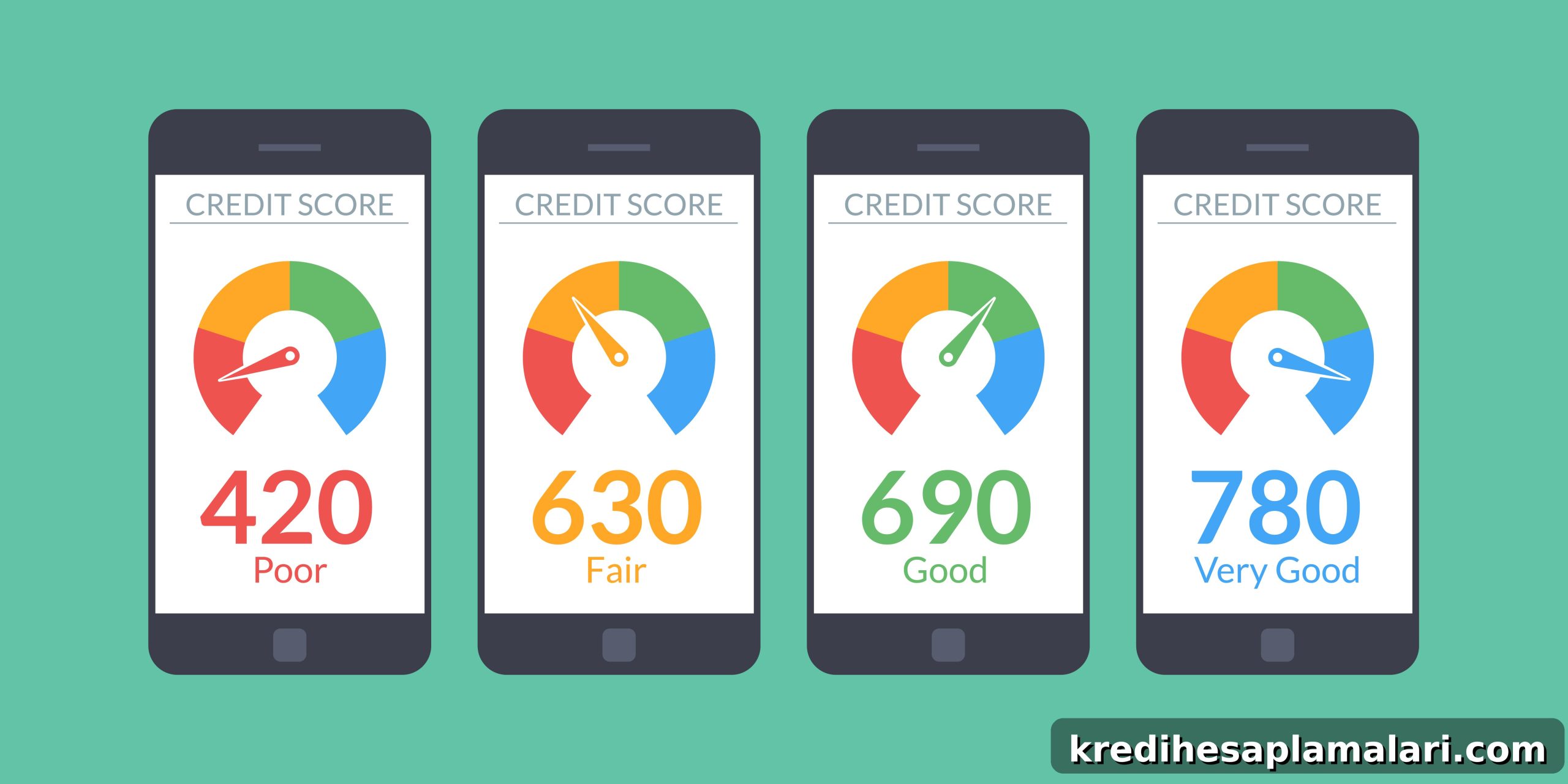
A credit score is a three-digit number that helps financial institutions assess how likely you are to repay borrowed money. It is derived from your credit history, which records your past borrowing, repayment behaviour, any defaults, and outstanding obligations.
Scores generally fall between 300 and 900. Lenders typically consider applicants with scores above 700 as lower risk and more likely to receive favourable loan terms. Applications with scores below around 650 may be rejected or offered loans at higher rates. Maintaining a score of 700 or higher improves your chances of obtaining affordable credit.
How is a Credit Score Calculated?
Credit bureaus compile your credit report and calculate your score using information provided by banks and other financial institutions. Key factors include:
- Repayment history
- Types of active credit accounts
- Frequency of loan or credit applications
- Credit utilisation ratio
Each bureau uses its own formula to weigh these elements, so scores can vary slightly between agencies. Credit reports are generally updated monthly rather than in real time.
How an Instant Loan Can Help Improve Your Credit Score
Although taking on debt might seem counterintuitive when trying to improve credit, responsibly managing a loan can strengthen your credit profile. A credit score reflects your track record of repaying obligations, so timely and consistent loan repayments contribute positively over time.
Ways an instant cash loan can support credit improvement:
- Builds a Strong Repayment Record: Making on-time payments on an instant loan establishes positive repayment history—one of the most important components of your credit score.
- Creates a Balanced Credit Mix: Credit scoring models favour borrowers who demonstrate they can manage different types of credit. If you already have credit cards or secured loans, adding a responsibly managed personal loan can diversify your credit mix.
- Helps Consolidate and Organise Debt: An instant loan can be used to consolidate multiple outstanding debts, simplifying payments and reducing the likelihood of missed EMIs, which protects your score.
If you are exploring options, consider lenders with transparent terms and reasonable processing timelines. Some lenders evaluate applicants using alternate credit-scoring methods in addition to traditional credit scores, which can help people who are new to credit access loans and begin building a positive credit history.
FAQs on Using Instant Loans to Boost Credit Score
How does getting a loan help your credit score?
When you take a loan and consistently make timely payments, it demonstrates responsible borrowing behaviour. This positive repayment history is reported to credit bureaus and helps improve your score over time.
Do loans raise your credit score?
Yes—when repayments are made on schedule and your overall credit utilisation remains low. Mismanagement, such as missed payments, will harm your score instead.
How can I improve my credit score with an instant loan?
Choose a loan you can afford, make all payments on time, avoid taking on excessive debt, and keep your credit utilisation low. Over time, these practices will support a stronger credit score.
References:
Sources consulted for general guidance on credit scoring and loan impact include publicly available financial education material and industry resources.