Grid-Tied vs Off-Grid Solar: Which System Suits Your Home?
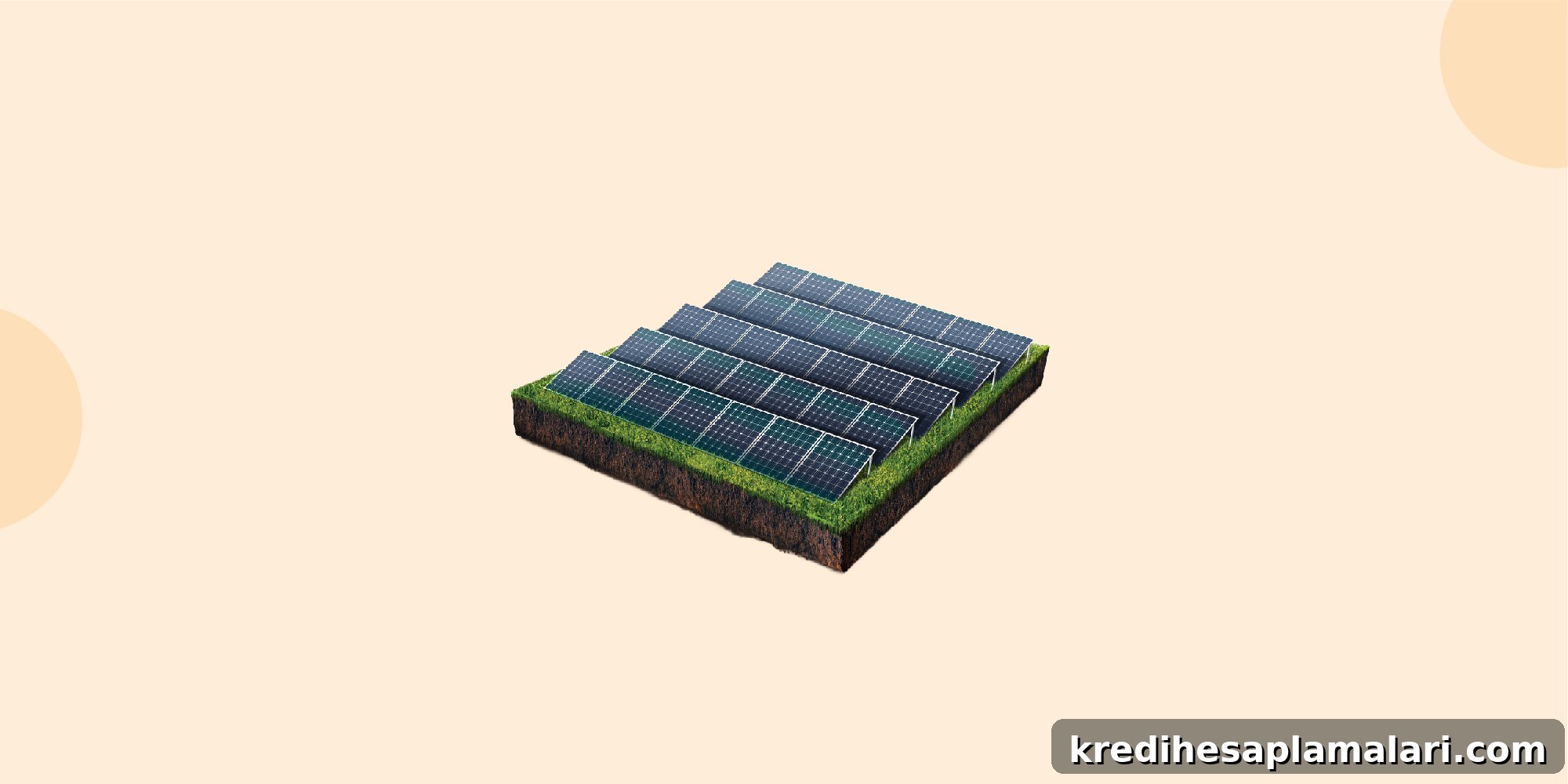
Solar energy is increasingly recognized in India as an effective way to lower electricity bills, supported by government incentives, subsidies and net metering policies promoted by the Ministry of New and Renewable Energy (MNRE). When considering solar for your home or business, you will commonly encounter two main choices: a grid-tied (on-grid) rooftop solar system and an off-grid solar system. For newcomers, the differences can be confusing. What exactly is a grid-tied solar power system, and how does it compare to an off-grid setup? This article explains both options in clear, practical terms to help you make an informed decision.
What is a Solar Power System Grid-Tie?
A grid-tied solar system, also called a grid-connected system, links your rooftop solar installation directly to the utility power grid. Its basic operation includes the following steps:
- Solar panels generate DC power: Photovoltaic panels capture sunlight and convert it into direct current (DC) electricity, which is the initial energy produced by the system.
- Inverter converts DC to AC: An inverter transforms the DC output into alternating current (AC), the form of electricity used by household appliances.
- Excess power feeds back to the grid: When your solar panels produce more electricity than your home consumes, the surplus is exported to the utility grid. Net metering policies allow you to receive credit for this exported energy, reducing your electricity bill.
- Grid supplies power during low sunlight: At night or during cloudy periods when solar generation is insufficient, your home draws power from the grid to maintain uninterrupted supply.
What is an Off-Grid Solar System?
An off-grid solar system operates independently of the utility grid. Instead of exporting surplus power, it stores generated energy in batteries for later use. Key components typically include:
- Solar panels
- Charge controller
- Battery bank
- Inverter
- Backup generator (optional)
Off-grid systems are especially suitable for remote locations without reliable grid access. They provide total energy independence but generally require higher initial investment and more ongoing management due to battery storage needs.
Difference Between On-Grid and Off-Grid
Below are the primary differences between on-grid (grid-tied) and off-grid systems to help you weigh the pros and cons:
- Connection: On-grid systems connect to the utility grid; off-grid systems operate independently using battery storage.
- Energy source: On-grid systems use the grid as backup when solar output is low; off-grid systems rely on batteries and sometimes a backup generator.
- Cost: On-grid installations are typically less expensive, since they don’t require large battery banks. Off-grid systems cost more up front because of batteries and additional components.
- Blackouts: Standard on-grid systems shut down during grid outages for safety unless paired with battery backup. Off-grid systems continue supplying power as long as batteries have sufficient charge.
- Suitability: On-grid systems suit urban and suburban households with reliable grid access. Off-grid systems are best for remote areas or users who require complete independence from utilities.
On-Grid Solar System vs Off-Grid Solar System: A Detailed Comparison
Key factors to consider when comparing on-grid and off-grid systems include installation cost, energy storage method, reliability, maintenance, and long-term costs. On-grid systems generally have lower installation costs and reduced maintenance requirements because they avoid battery banks. They rely on the utility grid as virtual storage through net metering. Off-grid systems demand battery banks and potentially generators, which increase cost, maintenance needs, and long-term replacement expenses. Reliability for off-grid installations depends heavily on battery health and system sizing, while on-grid systems depend on a stable grid connection.
Solar On-Grid vs Off-Grid: Which Suits You?
The best choice depends on your location, energy needs and long-term goals:
- Choose on-grid solar if:
- You live in an area with reliable grid connectivity.
- You want to lower your electricity bills and take advantage of net metering credits.
- You prefer lower upfront costs and minimal maintenance.
- Choose off-grid solar if:
- You live in a remote area without dependable grid access.
- You want full independence from utility companies.
- You are prepared to manage battery maintenance, replacements and possibly a backup generator.
For most Indian households, grid-tied solar offers the best balance of cost, convenience and payback period. It reduces electricity bills significantly while requiring less maintenance than an off-grid system. Off-grid solutions provide total independence but come with higher costs and additional responsibilities for battery management. Ultimately, the right system depends on where you live, how much energy you use, and whether you prioritize independence over cost and simplicity.
FAQs
Which is better, a grid-tie or an off-grid solar system?
There’s no universal answer. Grid-tie systems are typically better for most households because they are more affordable, require less maintenance and offer reliable savings through net metering. Off-grid systems are better when grid access is unavailable or when complete energy independence is required.
Is grid-tied solar worth it?
Yes. A grid-tied solar system is often cost-effective for homeowners who want to reduce electricity bills, benefit from net metering and enjoy fast returns on investment with minimal maintenance.
Can I run my home entirely on an off-grid solar system?
Yes, it is possible, but it requires careful planning. You need adequate solar panel capacity, substantial battery storage and possibly a backup generator. Off-grid systems are feasible but more expensive and complex than grid-tied setups.
What is a hybrid solar system, and how is it different?
A hybrid solar system combines features of both on-grid and off-grid systems. It uses solar panels with battery storage and remains connected to the grid. This arrangement provides backup during outages, stores excess energy for later use and still allows for bill savings through net metering, offering both flexibility and reliability.
Which solar system is best for villages or remote areas?
For villages or remote areas without stable grid access, off-grid solar systems are usually the best choice. They deliver reliable power using panels, batteries and optional generators, enabling long-term energy independence and local electrification.