Getting Your First Credit Card: Key Things to Know Before Applying
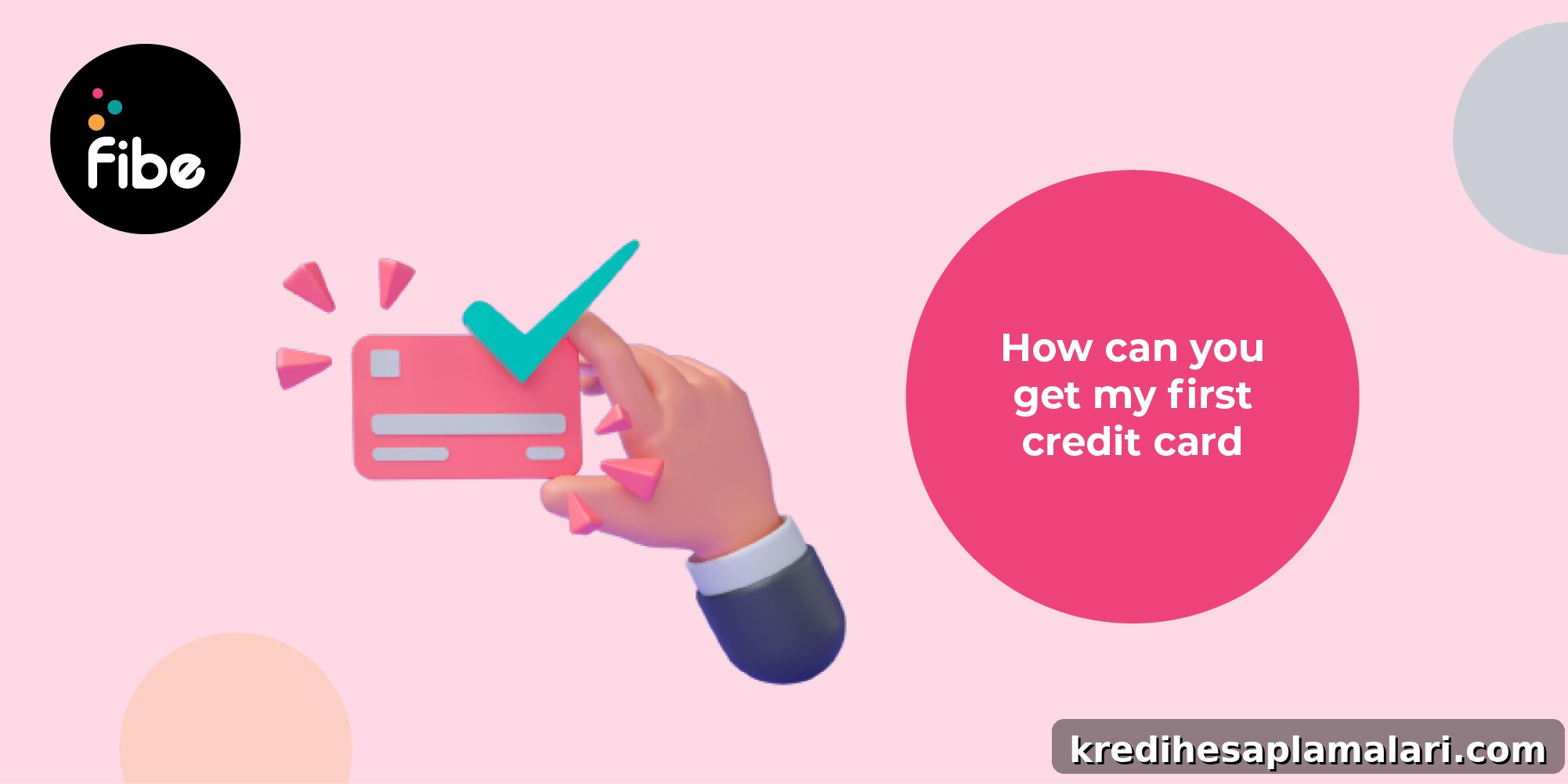
Getting your first credit card is exciting but can feel daunting if you have little or no credit history. Lenders rely on credit scores and past repayment behaviour to assess risk, so a lack of history can make approval harder. Fortunately, not having a credit history doesn’t mean you can’t obtain a card. With the right approach, you can get a starter card and begin building a solid credit profile.
Below are practical tips to help you get your first credit card and use it responsibly to establish creditworthiness.
Tips to get your first Credit Card
Consider these options when applying for your first credit card:
Get a supplementary (add-on) credit card
An add-on or supplementary card is issued when an existing primary cardholder requests additional cards for family members or authorised users. As an authorised user you can access the card’s benefits and build a credit record if the issuer reports your activity. Issuers usually grant supplementary cards more easily when the primary cardholder has a strong credit profile.
Apply for a secured credit card
Secured credit cards require collateral—commonly a fixed deposit or another asset—against which the card is issued. Your credit limit is typically tied to the value of that deposit. These cards are designed for people with no credit history or for those looking to rebuild credit, as responsible use and timely payments are often reported to credit bureaus.
Get a card against a savings account
Some banks offer credit cards to existing customers by linking the card to a savings account or by considering your banking relationship. If you maintain the required minimum balance and meet the bank’s criteria, this can be an accessible route to your first credit card.
Choose a prepaid credit card
Prepaid credit cards let you preload funds and spend up to the loaded balance. While they don’t build traditional credit history, they provide a safe way to gain basic card experience and manage spending if you can’t qualify for a regular unsecured card yet.
Things to consider before getting your first card
Before applying, keep these key points in mind to choose the best option and use your card wisely.
Understand card types
Compare card types such as cashback, travel, co-branded, secured, and prepaid cards. Selecting a card that matches your spending habits helps you maximise benefits and rewards while avoiding unnecessary fees.
Know how the grace period works
The grace period is the time between when purchases are posted and when the bill is due. It can be up to around 45 days, during which no interest is charged if you pay the full statement balance on time. Understanding this window helps you avoid interest charges.
Start with a lower credit limit
A modest initial limit reduces the risk of overspending and makes it easier to manage monthly payments. Responsible usage and on-time payments over time can help you earn a higher limit and a stronger credit score.
Check fees and charges
Review interest rates and fee structures, including annual fees, joining fees, cash advance fees, and balance transfer charges. Knowing these costs helps you choose a card with terms that fit your financial situation and prevents unexpected expenses.
In addition to costs, prioritise security features—such as numberless card design, secure authentication, and fraud protection—to safeguard your finances.
FAQs on Getting Your First Credit Card
How can a person get a credit card for the first time?
Research beginner-friendly cards, compare features and eligibility criteria, and apply to issuers where you meet the requirements. Consider secured cards, add-on cards, or cards tied to your bank relationship as initial options.
Is it easy to get the first credit card?
It can be challenging without a credit history because lenders often prefer applicants with established credit scores. However, secured cards, add-on cards, and cards linked to existing bank accounts are generally easier to obtain.
How to get the first credit card with no history?
If you have no credit history, apply for an add-on card through a family member who is a primary cardholder, or consider a secured card backed by a fixed deposit. Some banks also offer cards based on your savings account relationship.
Can I get a credit card without a salary?
Yes. Secured credit cards backed by a fixed deposit are an option, and add-on cards can be issued through a primary cardholder in your household. Eligibility depends on the issuer’s policies.
Can I get a credit card on my first salary?
Policies vary by issuer. Many require proof of several months’ income to assess stability, so check the specific documentation requirements before applying. Some banks may approve a card with fewer salary slips if other qualifying factors are present.
By choosing the right type of starter card, keeping usage moderate, and paying bills on time, you can build a positive credit history that opens the door to more credit options and better loan terms in the future.