Get an Instant Loan With No Credit Score Needed
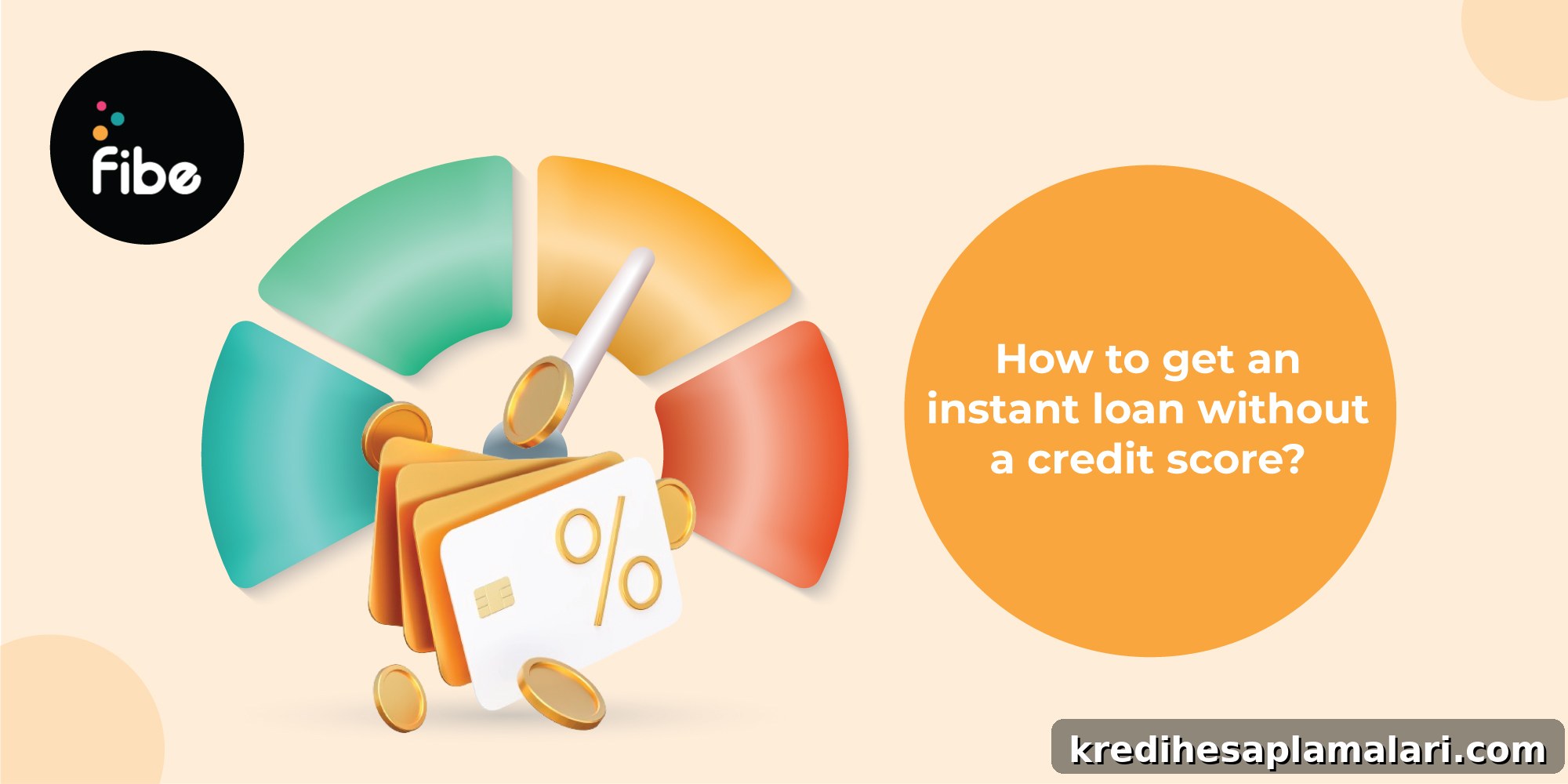
A credit score is one of the first things lenders in India consider when you apply for a loan. It helps banks and financial institutions assess an applicant’s creditworthiness and repayment capacity. However, a missing or low credit score does not automatically disqualify you from getting a loan. Borrowers can still obtain instant personal loans even without a credit score. Below is a clear guide on what a credit score is and practical ways to get a personal loan without one.
What is a Credit Score?
The Credit Information Bureau (India) Limited and other credit bureaus compile records of individuals’ and businesses’ credit activity, including credit cards and loan accounts, and derive a credit score from that data.
A credit score is a three-digit number that summarises an individual’s past credit behaviour—borrowings, repayments, defaults and other related data reported by lenders. Lenders use this numeric summary as an indicator of likely future behaviour and to determine how safely they can lend to a person.
Credit scores typically range from 300 to 900. A higher score suggests stronger creditworthiness and usually leads to faster approvals and lower interest rates. Scores below the preferred threshold—commonly under 700—can make access to favourable loan terms difficult, and scores in the 300–699 range are often considered low. In such cases, lenders may refuse credit or offer loans at higher rates. Still, some lenders, including fintech firms, provide instant loans even when a borrower has a low or no credit score.
If you don’t yet have a credit score, or if yours is low, you can either work to improve it over time or consider lenders that offer loans without requiring a strong credit history.
How to Get a Personal Loan without a Credit Score
Securing a personal loan without an established credit score can be more challenging, but several practical options and steps can improve your chances of approval.
1. Choose a Collateral-Based Loan
Unsecured personal loans typically require a good credit score. If you lack a score, consider a secured loan where you pledge an asset—such as a savings account, fixed deposit, vehicle, or other valuables—as collateral. Offering security reduces the lender’s risk and increases your chances of approval.
2. Demonstrate Stable Income
Lenders look for evidence that you can repay the loan. Providing recent salary slips, income statements, and bank statements that show regular income can help convince lenders to approve a loan even without a credit score. Clear, verifiable proof of income improves your credibility as a borrower.
3. Use a Guarantor or Co-applicant
Applying with a co-applicant or guarantor who has a stable income and a good credit profile can strengthen your application. The co-applicant must complete KYC and allow the lender to review their bank statements and credit history. A strong co-applicant reduces the lender’s risk and raises the likelihood of approval.
4. Apply for a Smaller Loan Amount
Requesting a smaller loan reduces the lender’s exposure and makes approval more likely when your credit history is limited or absent. Smaller loans also tend to come with lower interest costs and are easier to manage while you build or repair credit.
5. Check for “No History” or “History Not Available” Status
If your credit report shows No History (NH) or History Not Available (NA), it simply means there has been no credit activity reported in the past 36 months. In such cases, some lenders evaluate alternative data—bank account behaviour, income records, and other documents—to make a lending decision.
6. Follow a Fintech-Friendly Route
Several fintech lenders and apps specialise in providing instant loans with streamlined onboarding and more flexible credit assessments. They may consider alternate data points and simplified documentation to approve loans when traditional lenders would decline. Typical documents required include a selfie for identity verification, PAN card, address proof, Aadhaar, and recent bank statements.
Tips to improve your chances quickly: provide clear income proof, choose collateral or a co-applicant if possible, apply for a conservative loan amount, and use lenders that accept alternate credit signals. Over time, timely repayments and responsible credit use will help you build a strong credit score, opening broader and cheaper lending options.
Ultimately, missing or low credit scores are not insurmountable barriers. With the right approach—collateral, documented income, a reliable co-applicant, smaller loan requests, and lenders that accept alternate data—you can obtain a personal loan and start building a better credit record for future borrowing.