Financial Fraud Awareness: How to Spot Scams and Protect Yourself
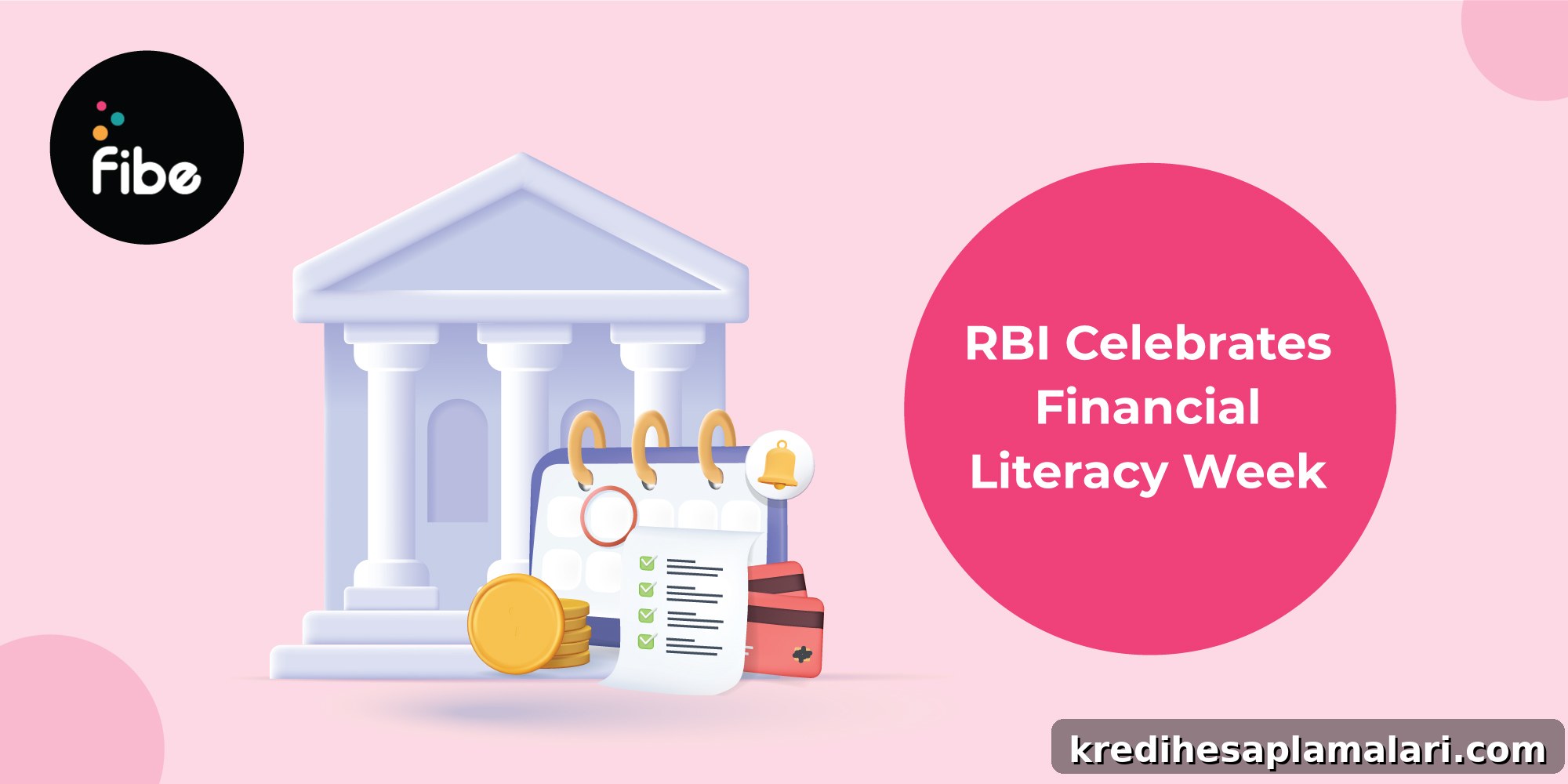
The Reserve Bank of India (RBI) is observing Financial Literacy Week 2024 from February 26 to March 1, under the theme “Make a Right Start – Become Financially Smart.” This initiative aims to strengthen financial awareness and discipline, particularly among recent graduates and young adults just beginning their financial journeys.
As financial frauds become more sophisticated, understanding common scams and learning how to protect your money is essential. Below is a clear guide to common frauds and practical steps you can take to safeguard your finances.
Common Financial Scams That You Need to Know About
Awareness is the first line of defense. The following scams are widespread and important to recognize:
Banking and Credit Card Scams
Increased use of bank accounts and credit cards has led to a rise in related frauds. Typical methods scammers use include:
- Skimming card or account information through compromised terminals or devices
- Physical theft or pickpocketing of cards
- Phishing attempts to trick you into sharing sensitive details
- Hacking into online banking portals or using malicious links to capture your credentials
Fake Loan Offer Frauds
Scammers prey on individuals seeking credit by offering attractive, fake loan products. They often pose as representatives of legitimate institutions and request personal or financial details under the pretext of processing your loan. Common contact methods include:
- Phone calls
- Text messages
QR Code and UPI Scams
UPI and QR payments are convenient, but they can be misused. Scams in this category often involve:
- Requests to pay to fraudulent QR codes or UPI IDs that divert funds away from you
- QR codes linked to malicious websites that attempt to hack devices or steal credentials
- Messages urging you to scan QR codes to renew cards or make payments, which then capture sensitive data or OTPs
Investment Scams
Investment scams lure victims with promises of high or guaranteed returns. These fraudulent schemes include:
- High-profit or too-good-to-be-true investment offers
- Pyramid and Ponzi schemes
- Recovery-room scams that promise to recover lost funds for a fee
- Stock market manipulations and fraudulent trading schemes
- Cryptocurrency scams and bogus initial coin offerings
- Advance fee frauds that demand payment up front for non-existent benefits
Courier Delivery Scams
Courier-based scams target people of all ages and typically involve false claims related to package delivery. Common tactics are:
- Posing as delivery personnel and demanding cash on delivery for nonexistent parcels
- Delivering fake packages and requesting OTPs or verification codes to “confirm delivery,” which are then used to access accounts
- Threatening that illegal items were shipped in your name and demanding payment to avoid customs or legal action
Tips to Identify and Safeguard Yourself from Financial Scams
Use these practical checks to spot fraud and protect your money.
Verify the Email Address and Contact Number
Carefully checking how you were contacted helps expose many scams. Red flags and verification tips include:
- Use caller ID or reverse lookup tools to check unfamiliar numbers
- Examine the email domain carefully—official institutions use their own domains, not generic ones
- Confirm the sender’s full name and role; contact the institution independently if unsure
- Look for spelling, grammar, and formatting errors in emails and messages
- Hover over links and attachments to preview URLs, but do not click unknown links
Check if the Benefits Offered are Too Good to be True
Unrealistic returns or incentives often signal fraud. Protect yourself by:
- Verifying the legitimacy of the financial institution or service provider
- Confirming the identity and employment of any representative who contacts you
- Requesting official documentation, reading terms carefully, and seeking independent advice if needed
Cross-check the Information with Your Financial Institution
If someone asks you to make an urgent payment or pay additional fees for bank or card services, stop and confirm with the institution directly. Best practices include:
- Always verify payment requests with your bank or NBFC before sending money
- Ask for employee identification and call the institution using official contact numbers you find independently
- Regularly review bank and card statements and report any unauthorized transactions immediately
Check the Authenticity of Websites and Apps
Fake websites and apps impersonating real institutions are common tools for fraud. Before entering personal or payment information:
- Look for SSL/TLS encryption (a lock icon in the address bar) and a valid URL
- Download apps only from official app stores and verify developer details and reviews
- Be cautious of websites with poor design, broken links, or suspicious pop-ups
Staying alert, verifying information independently, and choosing trusted lenders and platforms are key to avoiding financial loss. If you receive suspicious communications or offers, pause, investigate, and report them to the relevant institution or authorities.
Sources:
https://rbi.org.in