Fake UPI Payments: How Scams Work and How to Prevent Them
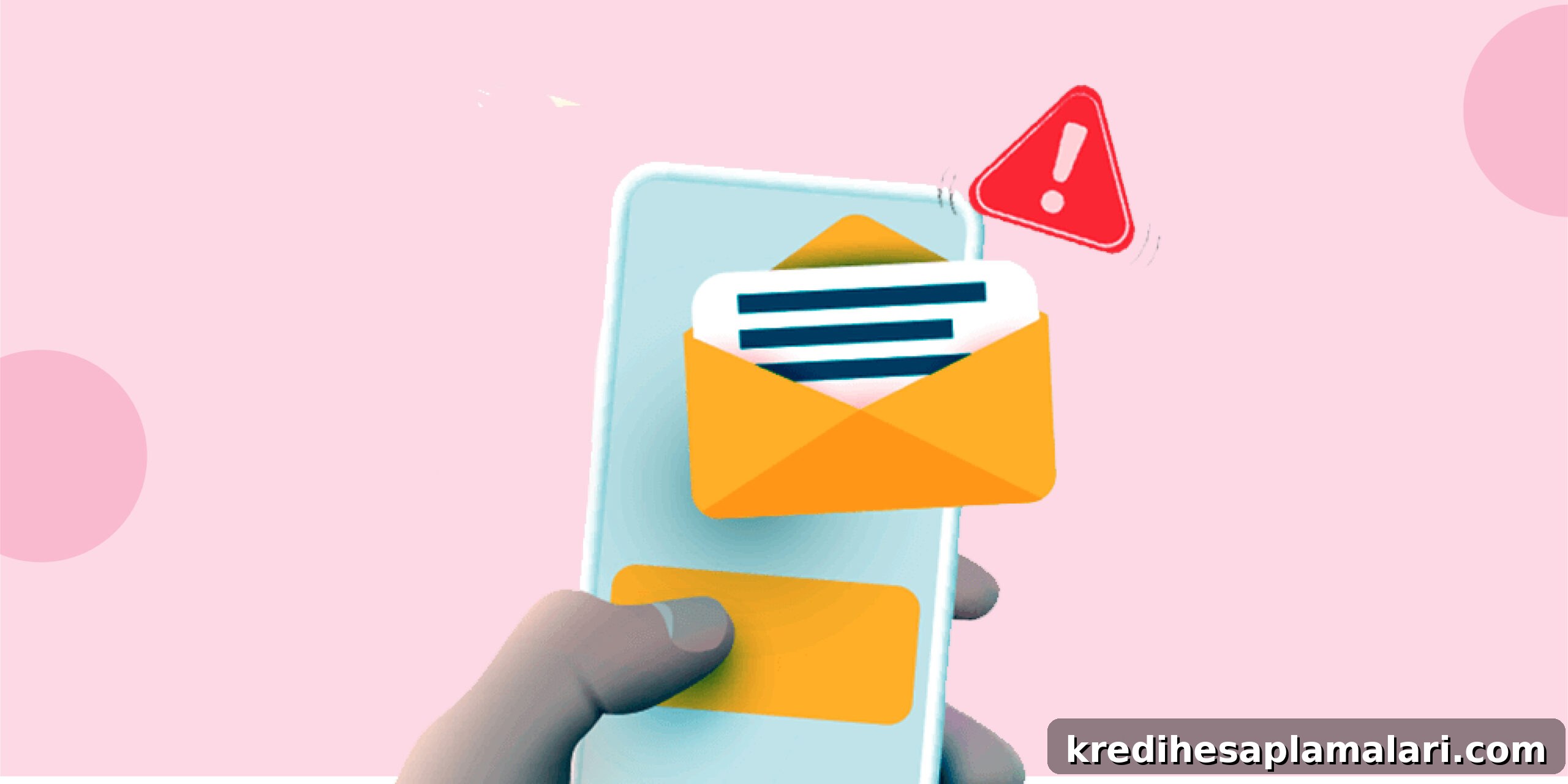
UPI has made payments effortless, but it has also created opportunities for scammers. According to reports, more than 2.7 million fraud cases worth around ₹2,145 crore have been recorded in recent years, highlighting the scale of UPI-related crime.
Below is a clear, practical guide to the most common UPI payment scams so you know what to watch for and how to stay safe.
1. Fake Payment Screenshots
A widespread technique involves sending edited screenshots or fake SMS confirmations to convince sellers that payment has been made.
- Scammers create doctored screenshots or false message alerts to appear legitimate.
- Sellers who do not verify the transaction with their bank or UPI app may hand over goods without receiving payment.
- Real incidents include fraudsters purchasing electronics and jewelry by presenting fabricated proof of payment.
Tip: Always verify payment by checking your bank or UPI app notifications and transaction history, not just screenshots.
2. “Collect Request” Trick (Request vs Pay Confusion)
This classic scam relies on confusing the victim about whether they are receiving or sending money.
- The fraudster sends a “collect request” and instructs the victim to “accept to receive money.”
- If the victim enters their UPI PIN believing they are accepting funds, the action can trigger a debit from their account.
Remember: Entering your UPI PIN authorizes sending money, not receiving it.
3. QR Code Scam
Scammers increasingly use QR codes to trick people into making payments.
- An attacker shares a QR code claiming it will credit your account or complete a refund.
- In reality, scanning the code initiates a payment from your account.
Remember: QR codes are normally used to send payments, so treat unknown codes with caution.
4. Overpayment Scam
This technique often targets sellers or service providers by exploiting their goodwill.
- The scammer claims to have sent extra money “by mistake” and asks you to refund the difference.
- Often the original payment is fake or gets reversed later, leaving the seller out of pocket after refunding.
Tip: Only refund money after confirming the payment is genuinely credited to your bank or UPI transaction history.
5. Customer Care & KYC Scams
- Fraudsters impersonate bank agents, payment app staff, or regulatory bodies to gain trust.
- They ask for OTPs, UPI PINs, or KYC updates to take over accounts.
- Providing these details can lead to full account takeover.
6. SIM Swap Fraud
- In SIM swap attacks, scammers use stolen personal details to clone or transfer your mobile number to their SIM.
- Once they control your number, they can receive OTPs and access UPI or banking apps protected by SMS verification.
How You Can Protect Yourself from Payment Scams
1. Never share your UPI PIN or OTP. No legitimate bank or service will ask you to disclose these.
2. Verify payments in your bank or UPI app. Do not rely on SMS messages or screenshots as proof of payment.
3. Avoid scanning unknown QR codes. Treat codes from unknown sources as potentially dangerous.
4. Decline collect requests from unknown numbers. Confirm identity before interacting with requests.
5. Do not install screen-sharing or remote-access apps on request. Banks will not ask for remote access to your device.
6. Use official apps and links only. Avoid installing apps or clicking links received via unsolicited messages.
7. Enable transaction alerts. Real-time notifications help detect unauthorized transactions quickly.
Impersonation Techniques Used in UPI Scams
Many UPI scams depend on social engineering and impersonation to gain trust. Common impersonation tactics include:
1. Bank officials or regulatory representatives
- Fraudsters call or message claiming account issues or KYC updates to extract sensitive information.
2. Buyers on online marketplaces
- Buyers present fake payment proof to trick sellers into sending goods without receiving real payment.
3. Fake customer support agents
- Scammers create counterfeit listings with phone numbers that appear to be legitimate support lines.
4. Friends or family in need
- Compromised accounts may be used to request urgent money transfers by impersonating someone you know.
5. Government or refund scams
- Fake messages promise cashback, subsidies, or tax refunds to lure people into sharing details or making transfers.
What to Do If You Suspect a Scam
1. Contact your bank immediately. Ask them to freeze or block suspicious transactions and guide next steps.
2. Report to the appropriate cybercrime helpline. Prompt reporting increases the chance of recovering funds.
3. File a complaint on official cybercrime portals. Use government complaint channels where available.
4. Block your UPI ID. Prevent further unauthorized use while investigating the incident.
5. Preserve evidence. Save screenshots, transaction IDs, call records, and phone numbers related to the incident.
Final thoughts
UPI fraud often exploits urgency and human error rather than technical hacks. Awareness and simple verification steps—checking your bank app, not sharing PINs or OTPs, and treating unsolicited requests with suspicion—are the most effective defenses. The more familiar you are with common scam patterns, the less likely you are to fall victim.
FAQs on UPI Scams
1. What are the most common UPI scams?
Common scams include fake payment screenshots, collect request fraud, QR code scams, impersonation calls, overpayment scams, and SIM swap attacks.
2. How can I identify a fake UPI payment?
Always check your bank or UPI app transaction history or balance. If the payment is not reflected there, the proof shown to you is likely fake.
3. Can scammers steal money through UPI collect requests?
Yes. If you approve a collect request and enter your UPI PIN under false pretenses, you may unknowingly authorize a payment.
4. How do overpayment scams work in UPI transactions?
Scammers claim to have overpaid and ask you to refund the excess. Often the initial payment is fake or reversed later, leaving you responsible for the refunded amount.