Does Using Debit Card EMI Impact Your Credit Score?
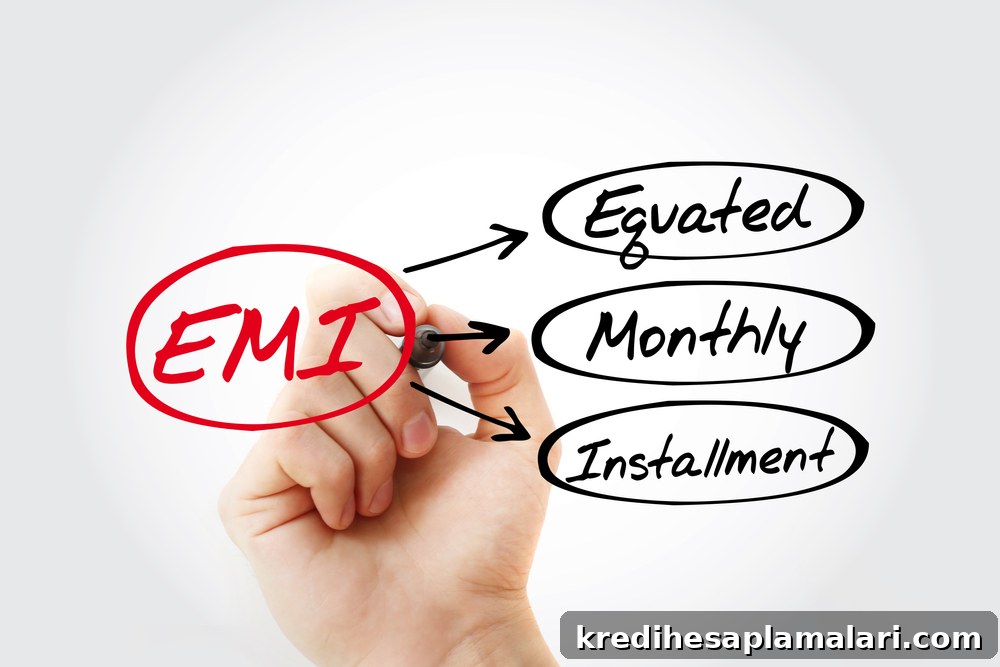
EMI options have made retail purchases far more accessible. You now see EMIs offered on phones, laptops, appliances and many other products. These instalment plans are simpler than before — you often don’t need a credit card to convert a purchase into monthly payments; a debit card is enough.
But the question many people ask is:
Does debit card EMI affect credit scores?
Here’s a clear, straightforward explanation so you understand how debit card EMIs work and how they can influence your credit score, including your CIBIL score.
What is Debit Card EMI?
Debit card EMI is essentially a loan provided at the point of sale but linked to your debit card and savings account. Instead of paying the full amount immediately, the bank converts the purchase into monthly instalments. Once you opt for EMI, the EMI amount is auto-debited from your savings account each month.
Although it feels like a simple checkout option, in the backend it functions like a small loan.
How Does Debit Card EMI Work?
For example, if you buy a laptop for ₹60,000 and choose a 6-month EMI plan at checkout:
- The bank converts the ₹60,000 into a 6-month loan.
- Your monthly EMI might be about ₹10,500 (including any interest).
- Each month ₹10,500 is auto-debited from your savings account.
- Your repayment activity may be reported to credit bureaus such as TransUnion CIBIL.
If you pay all EMIs on time, it appears positively on your credit report. If you miss payments or the EMI bounces due to insufficient balance, it can harm your credit score. So while the checkout process looks simple, the arrangement operates like a personal loan in terms of credit reporting.
Does Debit Card EMI Affect Credit Score?
Short answer: yes, it can.
Because debit card EMIs are treated as loans, repayment behaviour is often reported to credit bureaus, including:
- TransUnion CIBIL
- Experian India
- Equifax India
- CRIF High Mark
Whether a debit card EMI affects your credit score depends on how you manage repayments.
If you pay on time:
- It can strengthen your credit profile.
- It demonstrates responsible borrower behaviour.
- It adds a positive repayment record to your credit history.
If you miss payments:
- It can lower your credit score.
- Late payments are reported to credit bureaus.
- Repeated missed payments affect your creditworthiness.
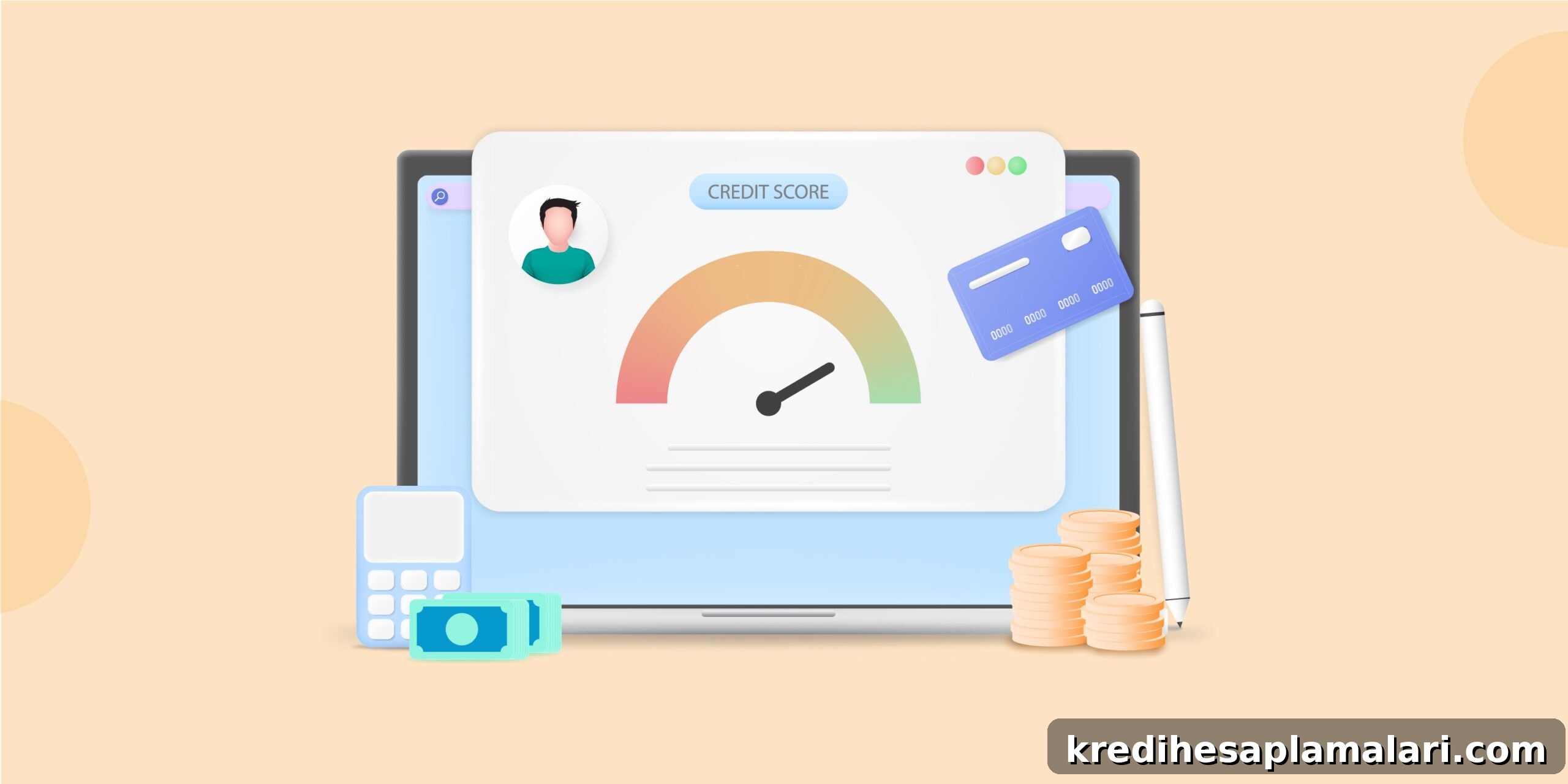
So debit card EMIs can affect your credit score both positively and negatively, depending on how you manage them.
Does Debit Card EMI Affect CIBIL Score Specifically?
Yes — if the bank reports the EMI account to CIBIL, your emi repayment history will appear on your CIBIL report. Lenders can see whether you paid on time, missed payments, or had bounced EMIs. That visibility influences how lenders assess your credit risk.
Can EMI Increase CIBIL Score?
Yes. Consistently paying EMIs before the due date, maintaining adequate account balance for auto-debits, and avoiding defaults all contribute to a stronger credit profile. Regular, disciplined repayments build a positive record that can improve your score over time.
Can One EMI Bounce Affect CIBIL Score?
Yes. Even a single missed or bounced EMI can be reported as a delayed payment and may lower your score temporarily. While one delay won’t necessarily ruin your credit, repeated bounces will have a more serious impact. It’s therefore important to ensure your account has sufficient funds ahead of the auto-debit date.
Do Debit Card Payments Affect Credit Score?
There is an important distinction: routine debit card transactions, such as shopping or bill payments, do not affect your credit score. Only transactions converted into EMI loans that are reported to credit bureaus will affect your credit history. Regular debit card swipes won’t change your credit score; debit card EMIs can.
Using structured credit options responsibly, including EMIs, can help build a stronger credit profile if you manage repayments on time.
FAQs on Debit Card EMI
1. Do debit card payments affect credit scores?
Normal debit card transactions do not affect your credit score. Only debit card EMIs, which are treated as loans and may be reported to credit bureaus, can impact your credit report.
2. Can EMI increase CIBIL score?
Yes. Timely EMI repayments show responsible borrowing and can help improve your CIBIL score over time.
3. Can one EMI bounce affect CIBIL score?
Yes. A single missed or bounced EMI can negatively affect your credit score and remain visible in your credit history, so it’s important to avoid defaults.