Direct Benefit Transfer (DBT): Complete Guide to Eligibility, Application & Tracking
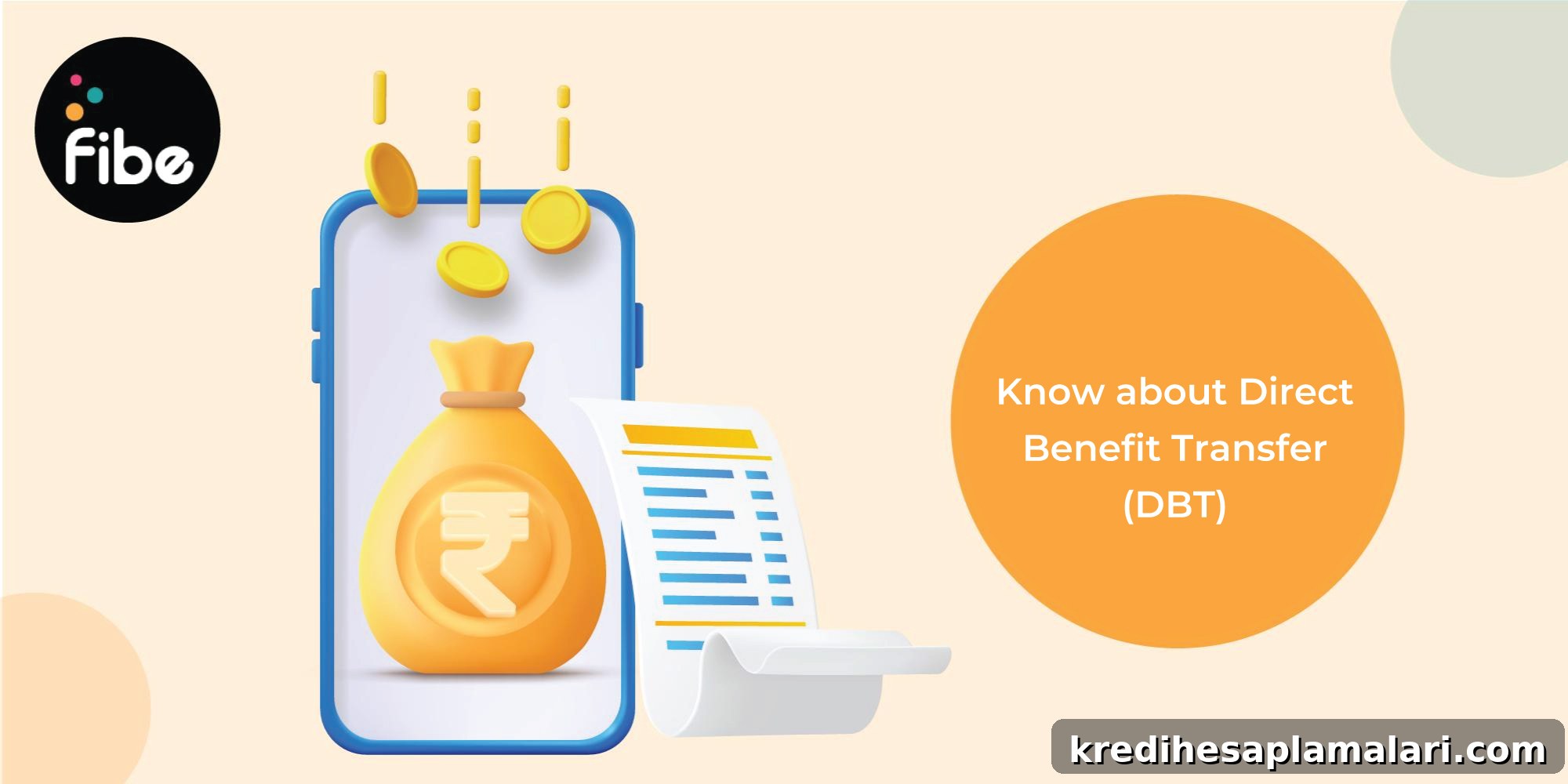
DBT stands for Direct Benefit Transfer, a government initiative that sends subsidies and welfare payments straight to beneficiaries’ bank accounts to improve convenience, speed and transparency. With numerous social programs in India, DBT aims to ensure funds reach the intended recipients promptly and reduce leakage that can occur when multiple intermediaries are involved. By transferring money directly from the government treasury to individual accounts, DBT reduces delays and the risk of fraud, while improving targeting and accountability.
Read on to understand what DBT means, how it operates, the types of transfers it covers and the benefits it delivers.
What is Direct Benefit Transfer (DBT) in Banking?
Launched on January 1, 2013, the Direct Benefit Transfer scheme was created to deposit subsidies, allowances and other benefits directly into beneficiaries’ bank accounts. The program focuses on delivering financial assistance to women, children, labourers and other vulnerable groups. DBT began as a pilot in 43 districts and was gradually expanded across multiple schemes and more districts. Over time, its scope increased significantly and it has been integrated with major programs such as the Mahatma Gandhi National Rural Employment Guarantee Act (MGNREGA).
How Does the DBT Scheme Work?
To promote transparency and accuracy, the government compiles eligible beneficiary lists using systems like the Central Plan Scheme Monitoring System (CPSMS). Beneficiary identities and bank details are verified using government identifiers such as Aadhaar, but Aadhaar is not strictly mandatory. Jan Dhan accounts and verified mobile numbers linked to bank accounts can also be used for authentication and payments.
Payments under DBT are processed by the Reserve Bank of India and participating financial institutions, including public, private, cooperative and regional banks. Funds are credited directly to the beneficiary’s account, eliminating the need for middlemen. Since the scheme’s rollout, millions of beneficiaries have received subsidies through DBT transfers.
Schemes Covered Under Direct Benefit Transfer
DBT supports several categories of welfare and subsidy delivery, primarily:
1) Cash Transfers
Cash transfer schemes deposit monetary benefits directly into beneficiaries’ bank accounts. These transfers can originate from central or state government treasuries or through government-authorized agencies.
- Direct transfer to the recipient’s bank account
- Disbursement from the State Treasury Account
- Payments routed through government-appointed agencies
- Transfers funded by Central or State Government budgets
2) In-Kind Benefits
In-kind transfers provide goods or services rather than cash. The government or an intermediary bears the cost while the beneficiary receives the product or service free of charge. Examples include subsidized kerosene, schoolbooks, vaccinations and fertilisers.
3) Other Transfers
This category includes payments to non-government functionaries who help implement government programs—community workers, NGO staff, ASHA workers, teachers and others. While these individuals may not be direct subsidy recipients, DBT can cover training stipends, wages, incentives and support benefits that enable the delivery of public services.
Benefits of Direct Benefit Transfer
DBT brings several advantages to the welfare delivery system:
- Reduced fraud and leakages by removing intermediaries from the payment chain.
- Faster, more reliable delivery of funds directly into the account linked to the beneficiary’s identification.
- Greater accountability and traceability in fund distribution, which reduces delays and inconsistency.
- Improved targeting so deserving applicants receive the intended government support.
- Better protection of public resources through reduced misuse.
The DBT mechanism proved especially useful during emergencies such as the COVID-19 pandemic, when lockdowns made direct electronic transfers essential for timely relief. By enabling secure, direct transfers from government treasuries to bank accounts, DBT helped maintain continuity of support when in-person distributions were impractical.
If You Are Not a DBT Beneficiary
If you are not eligible for a particular DBT program and need funds, consider alternative financial products available through regulated lenders. Evaluate eligibility, interest rates, fees and repayment terms carefully before applying for a personal loan or other credit products.
FAQs on Direct Benefit Transfer
Is Aadhaar mandatory for DBT?
No. While Aadhaar facilitates seamless identification and can simplify linking benefits to bank accounts, the government also uses Jan Dhan accounts and verified mobile numbers to identify beneficiaries and enable transfers.
How do I enable DBT in my bank account?
To receive DBT payments, visit your bank branch to complete the required mandate or form to link your Aadhaar or provide alternative validated identity and account details. Once your account is linked and you are declared eligible under a scheme, payments will be processed accordingly.
Who receives DBT payments?
DBT payments go to eligible recipients of government schemes, including farmers, students, senior citizens and low-income households. The transfers ensure subsidies and welfare benefits are deposited directly into beneficiaries’ bank accounts for secure and timely access.