DeFi Explained: A Clear Guide to Decentralized Finance
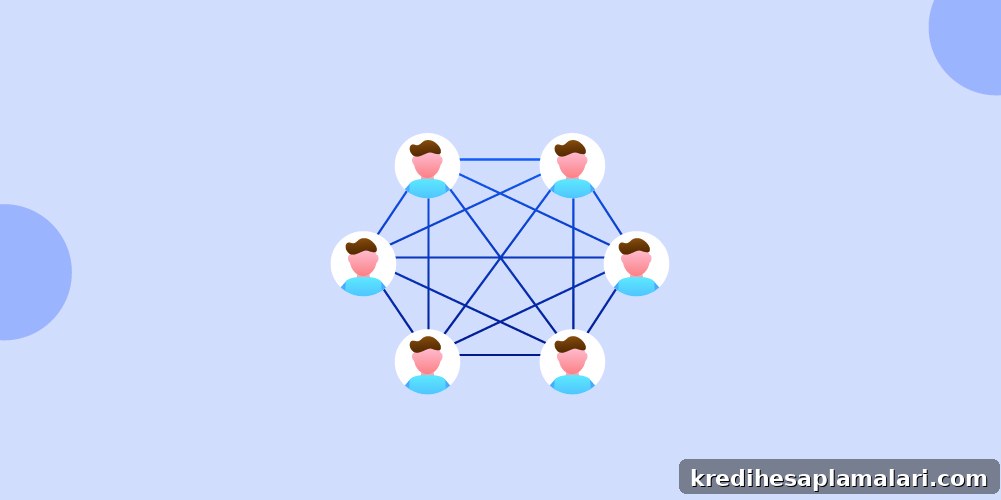
For years, banks and financial institutions have controlled the flow of money and managed transactions. But what if you could handle your finances without relying on a bank? That is the promise of DeFi (Decentralised Finance) — a set of financial services that lets people lend, borrow, trade and invest directly using blockchain technology.
Below you will find a clear overview of what DeFi means, how it works, and why it is reshaping how people interact with money.
What is DeFi?
DeFi stands for Decentralised Finance. It is an open financial system built on blockchain networks and powered by smart contracts. Instead of depending on banks, brokers or other intermediaries, DeFi uses code to automate and enforce financial agreements in a transparent and tamper-evident way.
Think of DeFi as an accessible financial ecosystem. Anyone with an internet connection and a compatible wallet can participate — no lengthy paperwork, no credit checks and no central gatekeepers. That accessibility expands opportunity and lowers barriers for people who are underserved by traditional finance.
How Does DeFi Work?
DeFi operates by combining a few core technologies and design principles:
1. Smart Contracts
Smart contracts are self-executing code deployed on a blockchain. They define rules and conditions for transactions and carry out actions automatically when those conditions are met. For example, a lending smart contract can disburse funds, accrue interest, and enforce repayments without human intervention.
2. Decentralised Apps (dApps)
dApps are user interfaces that connect people to smart contracts. Through dApps, users can lend, borrow, trade, or provide liquidity. These applications interact directly with on-chain protocols rather than routing requests through a central server.
3. Blockchain Networks
DeFi systems run on public blockchains such as Ethereum and other smart-contract platforms. The blockchain records every transaction and state change, enabling transparency, auditability and resistance to censorship.
4. Cryptocurrencies and Stablecoins
Transactions in DeFi typically use native cryptocurrencies like Ether (ETH) or stablecoins such as USDC, which are designed to hold a stable value. Using digital assets enables fast, low-cost and borderless transfers and makes many DeFi services composable across protocols.
Popular DeFi Use Cases
DeFi powers a variety of financial activities that were traditionally handled by banks and other institutions. Common examples include:
- Uniswap – A decentralised exchange (DEX) where users trade cryptocurrencies directly using liquidity pools.
- Aave – A lending and borrowing protocol where users can earn interest on deposits or borrow assets against collateral.
- Compound – A money market protocol enabling on-chain borrowing and lending with algorithmic interest rates.
- MakerDAO – A governance and lending platform that supports the DAI stablecoin, which aims to maintain a stable value relative to the US dollar.
- Curve Finance – An exchange optimized for low-slippage, low-fee stablecoin trading.
These platforms illustrate how DeFi returns control of financial activities to users, enabling permissionless access and composable services.
Why DeFi Is Gaining Popularity
DeFi offers several advantages compared with traditional finance:
- Permissionless Access – Anyone with an internet connection can use DeFi services without relying on a bank account or identity checks.
- Lower Costs – Removing intermediaries can reduce fees for trading, borrowing and payments.
- User Control – Users retain custody of their funds in their own wallets and interact directly with protocols.
- New Earning Opportunities – DeFi introduces ways to earn yield through lending, staking, liquidity provision and yield farming.
Challenges and Risks
Despite its benefits, DeFi also carries risks and faces obstacles:
- Regulatory Uncertainty – Laws and regulations are still evolving, and future rules could affect how DeFi operates.
- Complexity – New users may find wallet management, transaction signing and protocol interactions confusing.
- Smart Contract Vulnerabilities – Bugs or flaws in contract code can lead to exploits and loss of funds.
- Scalability and Fees – Network congestion on popular blockchains can lead to high transaction fees and slower confirmations.
DeFi vs Traditional Finance
| Feature | Traditional Finance | Decentralised Finance (DeFi) |
|---|---|---|
| Who controls it? | Banks and financial institutions | Users and code (no central intermediaries) |
| Transparency | Limited | Public and auditable on-chain |
| Who can use it? | Those who meet institutional criteria | Anyone with internet access |
| Intermediaries? | Required | Usually not required |
The Future of DeFi
DeFi continues to evolve, with new protocols and infrastructure improving security, scalability and usability. As user experience improves and regulatory clarity increases, decentralised financial services may become more widely adopted. The result could be a more open, efficient and inclusive financial system that complements or redefines some traditional services.
Conclusion
DeFi represents a shift toward financial systems that prioritize openness, automation and user control. It removes many traditional barriers, offers alternative ways to earn and transact, and creates a modular ecosystem of interoperable services. While risks remain, ongoing innovation and better tools are making DeFi more accessible and resilient, bringing it closer to mainstream use.
FAQs
1. Can you make money with DeFi?
Yes. Users can earn through lending, staking, liquidity provision and yield farming. However, these activities carry risks such as market volatility, smart contract bugs and platform-specific vulnerabilities.
2. How is DeFi different from Bitcoin?
Bitcoin is primarily a digital currency and a store of value. DeFi describes a broader financial ecosystem built on programmable blockchains that support lending, borrowing, trading and other services beyond simple transfers of value.
3. What does DeFi stand for?
DeFi stands for Decentralised Finance — a financial model that operates without traditional banks or intermediaries, relying instead on blockchain technology and smart contracts.