Debt Consolidation: How to Restructure Your Personal Loans
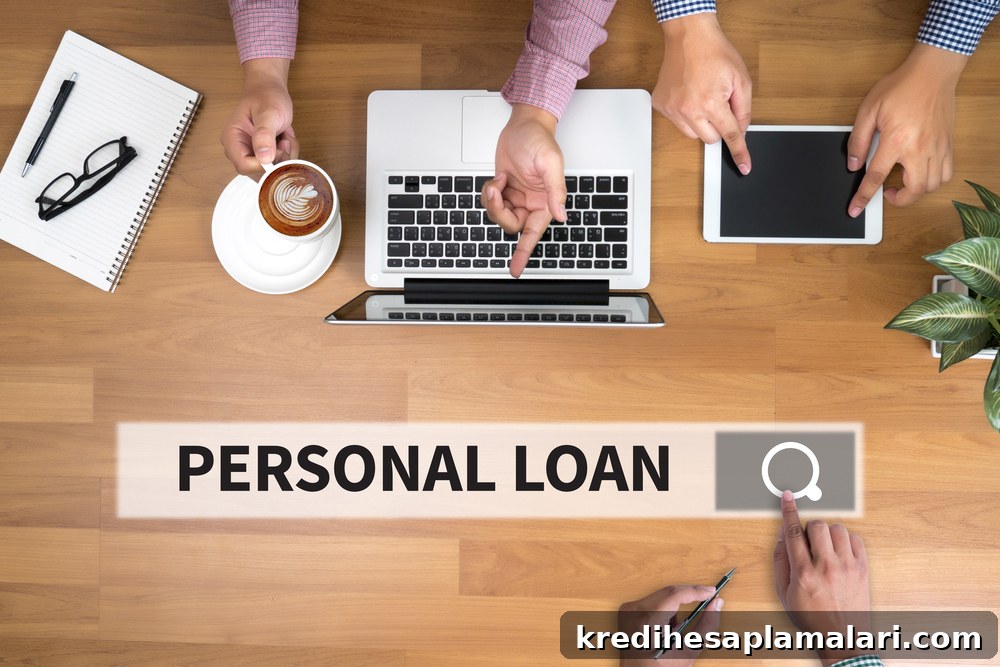
Debt consolidation is the process of taking a new loan to pay off existing debts, typically unsecured ones. Multiple obligations are combined into a single loan with terms that are more favorable to you. A debt consolidation loan is usually an unsecured personal loan used to roll several debts—such as credit cards, personal loans, and sometimes student loans—into one manageable payment.
How does it work?
Most borrowers begin the process by applying through their bank, credit card issuer, or credit union. If you have a strong relationship or solid payment history with your institution, this is a natural first step. If that option is not available, you can consider private lenders or specialist consolidation providers.
Financial institutions and lenders offer consolidation loans for several reasons, including increasing the likelihood of repayment and reaching customers who need debt management options. These loans are commonly issued by banks and credit unions, but there are also dedicated debt consolidation services that cater to consumers.
The benefits of getting a debt consolidation loan
No collateral required to access a substantial amount
Personal loans used for consolidation are typically unsecured, so you do not need to pledge assets as collateral. If you have a good credit history and a positive relationship with your lender, you can often qualify for an amount large enough to repay your current balances without risking property or other valuables.
Lower interest rates on outstanding balances
Short-term obligations like credit card balances often carry high interest rates and fees, which can cause debts to grow quickly. Consolidating those balances into a personal loan with a lower, fixed rate can eliminate hefty penalty charges and provide a more affordable, predictable repayment plan.
Potential to improve your credit score
Maxing out credit cards raises your credit utilization ratio, which can hurt your credit score. A personal loan is generally not included in revolving credit utilization calculations, so using a consolidation loan to pay off credit card balances can reduce your utilization and, assuming timely payments, may help raise your credit score.
Reducing utilization and maintaining consistent, on-time payments are two of the most effective ways to improve credit over time after consolidation.
Longer repayment term to ease monthly payments
Many lenders offer personal loan terms ranging from one to five years. Extending the repayment period can lower your monthly payment and reduce stress on your budget by spreading the cost into equal monthly installments over a longer period.
Things to keep in mind
Consider the following points when planning debt consolidation:
- Identify all outstanding loans and debts and verify the total amounts due.
- Review the loan tenure carefully to understand monthly payment obligations and total interest paid.
- Compare available lenders and products to find the most suitable consolidation loan for your needs.
- Once you receive the loan, maintain a strict payment schedule to avoid new fees and to support credit recovery.
How to get a debt consolidation loan
The traditional approach to applying for a personal loan involves visiting a branch and submitting paper forms and KYC documents, which can be time-consuming. However, many lenders now offer fully online application processes that require minimal or no physical paperwork and significantly reduce processing time.
Online personal loan options often provide faster approvals and the convenience of managing everything from home. The streamlined digital process can make consolidation easier and quicker, with many lenders providing instant or near-instant decisions.
When choosing an online lender or loan product, check the interest rate, fees, repayment term, and customer reviews. Use available EMI or repayment calculators to estimate monthly payments and total cost before you commit.
If you have questions about consolidating debt, comparing loan offers, or understanding how a consolidation loan would affect your finances and credit, reach out to a trusted financial advisor or lender representative for personalized guidance.
Careful planning and disciplined repayment after consolidation can simplify your finances, reduce interest costs, and help you regain control over your debt.