Credit Card Late Fees Explained: What They Cost and How to Avoid Them
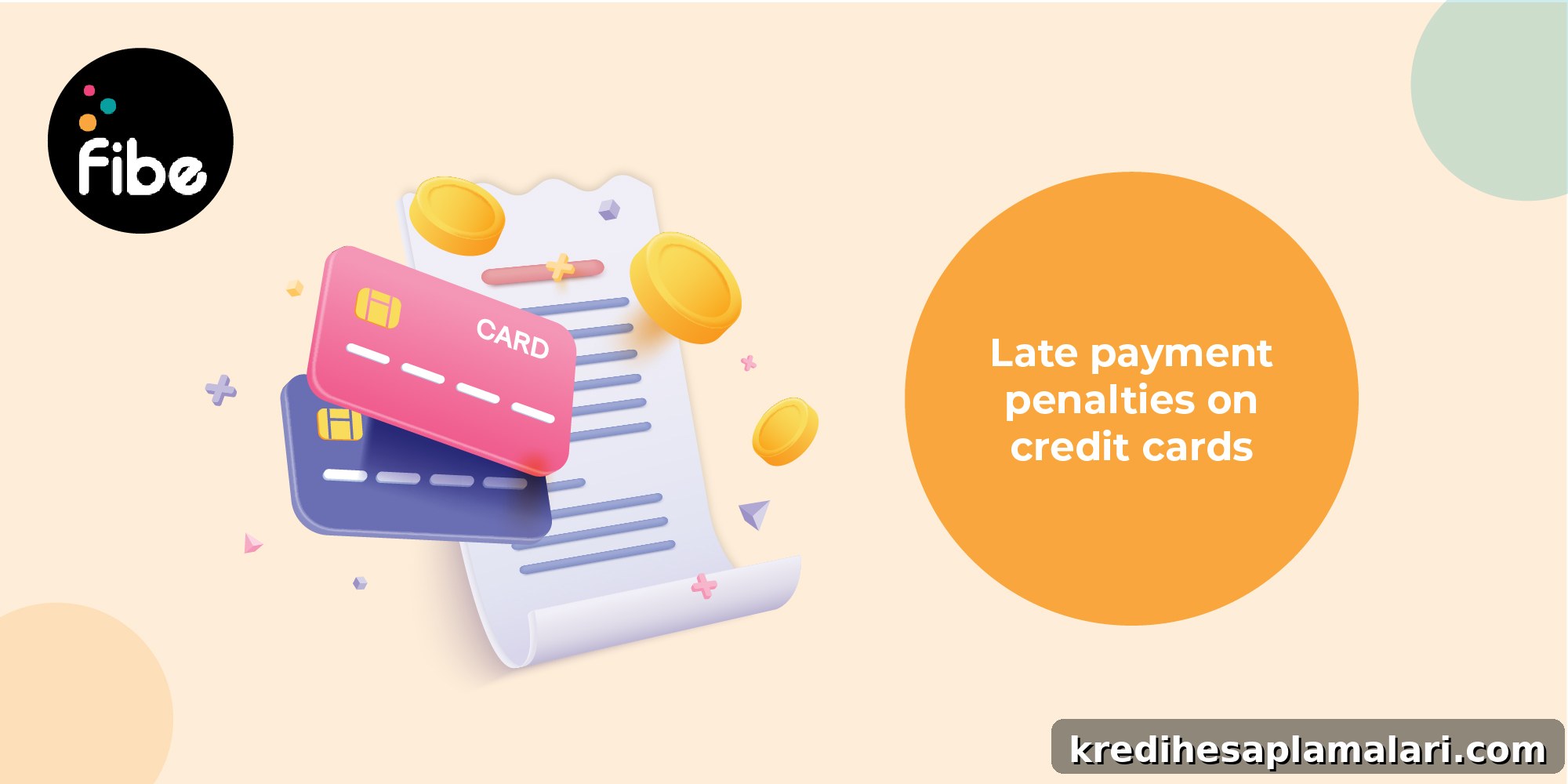
Credit card late payment charges are an important detail every cardholder should understand. Card issuers impose these fees when you fail to clear your dues by the payment deadline. While credit cards offer convenience and rewards, late payment penalties and the interest that follows can quickly increase your financial burden. Being aware of these charges helps you plan better and avoid unnecessary costs.
Understanding late payment charges is especially useful when you face unexpected expenses. Knowing how penalties and interest accumulate lets you prioritise payments during a cash crunch and make informed choices about repayments.
Introduction to Credit Card Late Payment Charges
All transactions on your credit card are recorded within a billing cycle. These transactions are summed to create your total outstanding balance. If you do not pay either the full balance or at least the minimum amount due by the due date, the issuer will apply late payment fees.
The minimum amount due is typically around 5% of the total outstanding balance. Paying the minimum by the due date prevents late payment fees, but interest still accrues on the unpaid portion. Only paying the full statement balance by the due date avoids finance charges entirely.
Why You Should Pay Your Credit Card Bill on Time
Timely payments protect your finances in several ways:
- Late payment fees add to your debt and increase what you owe in the next billing cycle.
- Paying only the minimum carries the remaining balance forward, which accrues interest and raises your overall cost.
- If your account is unpaid for 60 days, issuers may apply higher interest rates to future purchases.
- Late payments negatively affect your credit score, making it harder to secure loans or credit in the future.
- Interest continues to compound on any unpaid balance until it is cleared, increasing your long-term liability.
- If a lender reports you as a defaulter, that remark will appear on your credit report and further damage your credit history.
Practical Tips to Avoid Late Payment Charges
Here are practical steps to help you avoid late fees and manage credit card payments more effectively:
- Use Auto-Debit
Auto-debit lets you authorise the issuer to deduct the payment automatically from your bank account on the due date. This is an effective way to ensure timely payments, but you must maintain sufficient funds in the linked account for the transaction to succeed.
- Pay at Least the Minimum Due
If you cannot pay the full statement balance, at least pay the minimum amount due. The minimum typically equals around 5% of your outstanding balance. Paying this amount keeps your account in good standing and prevents late payment fees while giving you time to arrange the rest.
- Set Payment Reminders
Make a habit of noting your bill due date and setting reminders a few days in advance on your phone, calendar, or email. Early reminders provide time to transfer funds or make alternative arrangements if needed.
- Contact Your Card Issuer if You Expect a Delay
If you anticipate missing a payment, contact your card issuer promptly to explain your situation and request an extension. Under applicable guidelines, many issuers apply late payment fees only after a specified grace period, but confirming terms with your issuer is important.
By following these steps you can reduce the chance of incurring late payment fees and limit interest charges. Responsible use and timely repayment preserve your credit score and keep borrowing costs low.
Frequently Asked Questions About Late Payment Charges
What is the penalty for a credit card late payment?
Penalty amounts vary by issuer and are typically calculated based on your outstanding balance. The higher your unpaid balance, the larger the late fee or additional charges may be. Check your card’s terms and conditions or your monthly statement for the exact fee structure that applies to your account.
What happens if I am 3 days late on my credit card payment?
If you are three days late, the issuer may apply the late payment penalty as per their policy. Contacting customer service can sometimes help you negotiate an extension or request a waiver depending on your payment history and circumstances.
What happens if I pay my credit card bill 1 day late?
Regulatory guidelines in some regions prevent issuers from charging late fees immediately; for example, many issuers do not levy a penalty until a few days past the due date. If you are one day late, your account will be marked as past due, but a late fee may not be charged immediately. Confirm the exact rule with your issuer.
How can I find my credit card bill due date?
Your monthly credit card statement lists the payment due date along with transaction details and the amount due. You can also view due dates and balances by logging into your card account online or using your issuer’s mobile app.
Being aware of due dates, fees, and the impact of late payments helps you manage credit more effectively. Regularly reviewing statements and using tools like auto-debit and reminders makes it easier to avoid late payment charges and maintain a healthy credit profile.