Credit Card Against FD: Benefits, Process and Application
SUMMARY
This guide explains what a credit card against FD is, how it works, and how it compares with a regular credit card. It covers eligibility, required documents, typical fees and practical considerations so you can decide quickly whether a secured card suited to your needs.
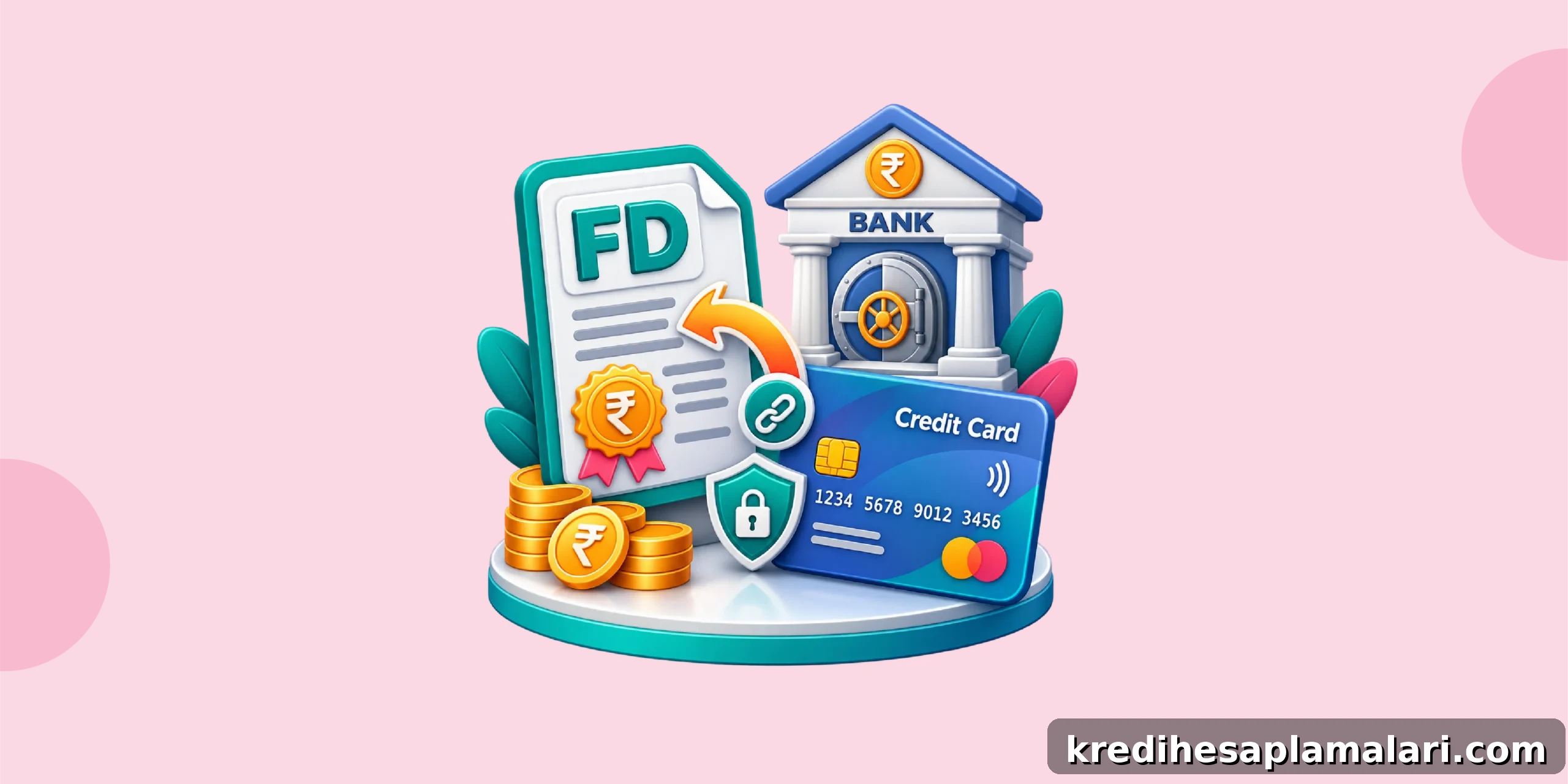
A credit card against an FD is a secured credit card issued against the funds held in your fixed deposit account rather than your income or full credit history. The bank places a lien on the FD, which prevents withdrawal while the card is active, but the deposit continues to earn interest. The credit limit is usually set as a percentage of the FD amount—commonly 75–85%—so a larger deposit yields a higher limit. This arrangement is useful for students, first-time earners, freelancers or anyone with a limited or damaged credit file because many banks relax income-proof and credit score checks for these cards. The card functions like a regular credit card for purchases, bill payments and EMI conversions, and responsible use can help you build a credit history over time. The sections below explain how it works, what it costs and how to apply.
QUICK STAT
Under updated card issuance rules, card issuers are required to report credit card account activity to credit bureaus more frequently. Timely repayment on a secured card against an FD can therefore reflect in your credit score faster than before.
What is a Credit Card Against FD?
A credit card against an FD works on the principle of collateral. Instead of relying primarily on income proofs or an established credit score, the bank evaluates the fixed deposit you are willing to lock in. Many lenders advertise these as instant FD-linked credit cards because once the FD is placed and the lien registered, the card can be issued within a few days and sometimes immediately at certain branches or via digital channels. Because the FD itself secures the card, most banks do not require a high CIBIL score, making this product suitable for people building credit. Some banks may still carry out a basic background check, so eligibility requirements can vary slightly.
How Does a Credit Card Against Fixed Deposit Work?
Obtaining a credit card against a fixed deposit is generally a simple five-step process:
- Open a fixed deposit with a bank that offers FD-linked cards, typically starting from a minimum amount such as ₹10,000–25,000.
- The bank places a lien on the FD, locking it as collateral while the card remains active; the FD continues to earn interest.
- The credit limit is set, usually around 75–85% of the FD amount.
- After FD and lien confirmation, the bank issues the card—courier delivery in a few days or instant issuance through some digital channels.
- Use the card for purchases and bill payments; timely repayments help build or improve your credit score.
Credit limits vary by bank policy and deposit size; a ₹2,00,000 FD typically yields a limit in the range of ₹1,50,000–₹1,70,000. The limit is tied to the FD and is revisable only if you increase the deposit or change the lien arrangement.
PRO TIP
Choosing a longer FD tenure does not increase your credit limit, but it can keep the card active for a longer period without renewal. Align the FD tenure with how long you plan to use the card rather than selecting a term only for slightly higher interest.
Credit Card Against FD vs Regular Credit Card: Key Differences
A secured credit card against a fixed deposit and an unsecured credit card serve the same basic purpose—providing a revolving payment facility—but they differ in approval criteria and backing:
| Factor | Credit Card Against FD | Regular Credit Card |
|---|---|---|
| Approval basis | FD amount (collateral) | Income and credit score |
| CIBIL score needed | Usually not mandatory | Typically higher score required |
| Credit limit | 75–85% of FD value | Based on income and repayment history |
| Income proof | Not usually required | Required |
| Best suited for | New-to-credit or thin-file applicants | Applicants with established credit history |
| Funds locked | Yes, FD stays under lien | No collateral involved |
Because the FD is pledged, you cannot withdraw it without consequences while the card remains active.
WATCH OUT
Closing or prematurely breaking an FD linked to a credit card usually leads to immediate card cancellation and settlement of any outstanding dues against the deposit before any remaining balance is released.
Eligibility and Documents Required for Credit Card Against FD
Typical requirements before applying include:
- Minimum age of 18 years (some private banks require 21+)
- Indian resident or NRI status depending on the bank’s policy
- An active or newly opened fixed deposit with the same bank
- Minimum FD amount, often from ₹10,000–25,000
- PAN card for KYC
Common documents requested by banks:
- PAN card
- Aadhaar card or other valid address proof
- Passport-size photograph
- FD receipt or account statement
- Completed card application form
Annual fees vary by bank and card variant. Some banks waive joining and annual fees for FD-linked cards, while others charge a modest fee—often refundable or waived if you meet a minimum annual spend. Check the specific fee schedule before opening the FD, as fees can influence which bank is the best fit.
DID YOU KNOW?
For example, a freelance professional without prior credit history can open an FD, receive an FD-linked credit limit, use the card for monthly expenses, and build a positive repayment history that later helps qualify for unsecured credit products.
Benefits of a Credit Card Against FD
- No salary slips or detailed income proof typically needed
- Accessible with no or low credit score
- Helps build credit history for future unsecured cards or loans
- The FD continues to earn interest while pledged
- Often includes standard credit card features such as rewards, cashback and EMI options
Risks and Things to Watch Out For
- Funds remain locked for as long as the card is active
- Premature FD closure usually triggers card cancellation
- Credit limit is capped by the deposit and may not grow with income
- Interest and late fees on unpaid dues apply just as with regular credit cards
FAQs On Credit Card Against FD
1. What is a credit card against a fixed deposit?
It is a secured credit card issued against your FD, where the bank places a lien on the deposit and sets your credit limit as a percentage of its value.
2. Can I get a credit card against FD without a CIBIL score?
Yes, in most cases. Because the FD acts as collateral, banks generally do not require a high CIBIL score, although some may perform a basic check.
3. What is the credit limit on a credit card against FD?
It is usually 75–85% of your FD amount, so a larger deposit unlocks a proportionally higher limit.
4. Can I break my FD if it is linked to a credit card?
Not without consequences. Breaking the FD typically results in card cancellation and settlement of outstanding dues from the deposit.
5. Is there an annual fee for a credit card against FD?
It depends on the bank. Many waive the fee for FD-linked cards, while others charge a small fee that may be reversed if you meet spending thresholds.
6. I already have an FD. Can I convert it into a credit card without opening a new one?
Often yes, provided your existing FD meets the bank’s minimum amount and tenure criteria for a secured card. Confirm availability with your bank.
7. What happens to my credit card against FD if the deposit matures?
Most banks ask you to renew the FD or link a new deposit before maturity. If the FD lapses without renewal, the card is usually deactivated once the lien is released.