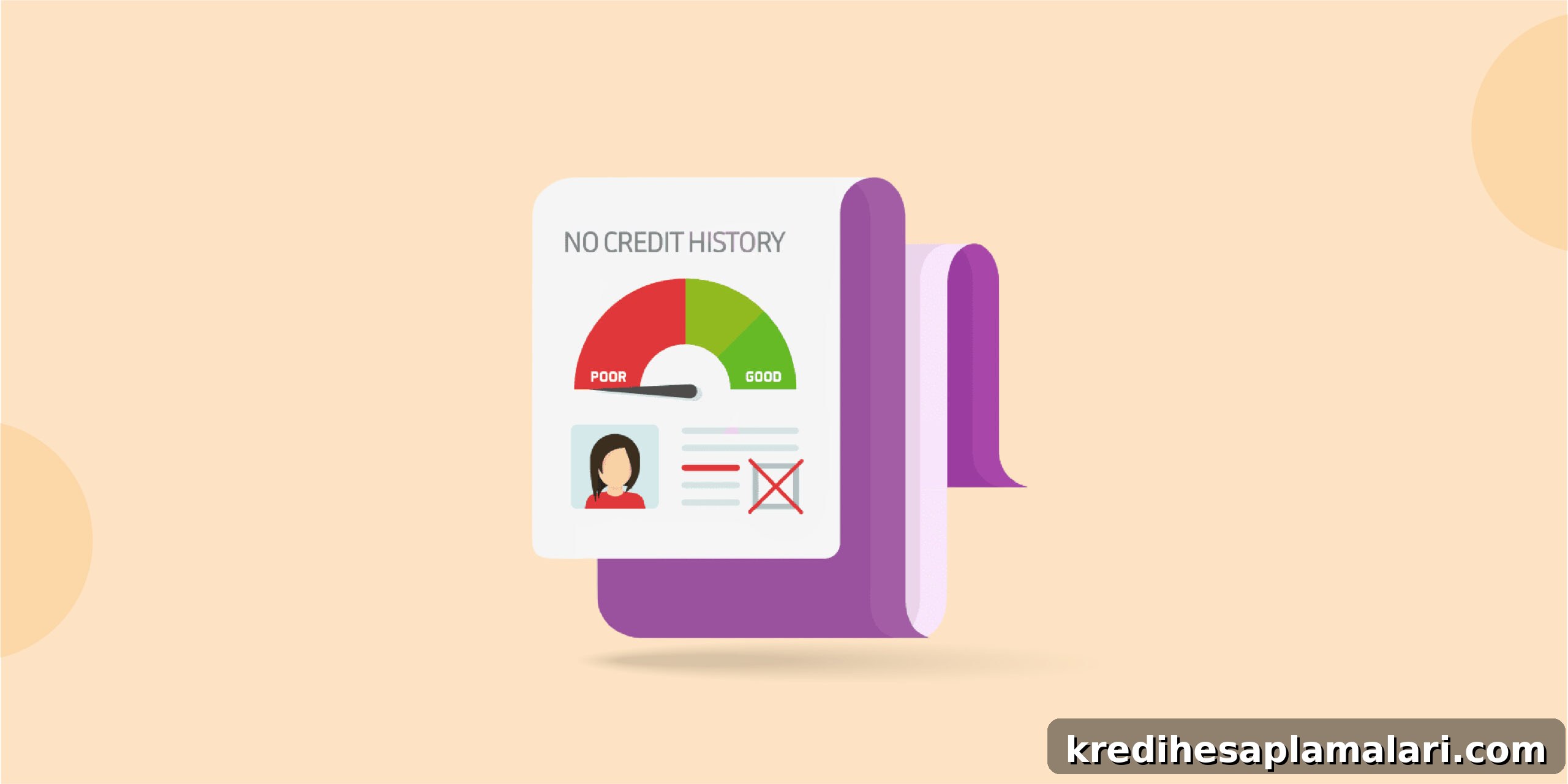
Consumer CIBIL vs Commercial CIBIL: Key Differences Explained
Want to understand the difference between a consumer CIBIL score and a commercial CIBIL score? Many people are unsure which applies to them and how each affects their chances of getting credit. In short: a consumer CIBIL score applies to individuals, while a commercial CIBIL score applies to businesses. Both are derived from credit reports and are used by lenders to evaluate repayment capacity.
Below is a clear, concise guide explaining how each score works, why it matters, and which one applies to your situation.
What is Consumer CIBIL and Its Purpose?
Consumer CIBIL refers to the credit information and scoring system that relates to individual borrowers. It compiles financial data supplied by banks, non-banking financial companies (NBFCs), credit card issuers and other lenders. The consumer credit report typically contains personal identifiers such as name and PAN, contact details, a list of credit accounts, payment history, outstanding balances, and any records of missed or delayed payments. The report provides a comprehensive snapshot of an individual’s credit activity and behaviour.
From this information, a numeric credit score is generated that estimates the likelihood an individual will repay borrowed money responsibly. Lenders review both the credit report and the score when deciding whether to approve personal loans, credit cards, home loans or other forms of consumer credit. A higher score signals lower credit risk and generally improves prospects for approval, better loan amounts and more favourable interest rates. Conversely, a lower score may result in rejection, smaller credit limits or higher interest charges.
What is Commercial CIBIL and Its Purpose?
Commercial CIBIL focuses on the creditworthiness of businesses, partnerships and other commercial entities. It aggregates financial and credit data from lenders and other reporting institutions to generate a business credit report. The commercial score and report take into account factors such as payment history on business loans and trade credit, the mix and tenures of credit facilities, outstanding debt levels, defaults or restructuring events, and the overall financial stability of the organisation.
Financial institutions and trade partners rely on commercial credit reports to assess the risk of lending to or extending trade credit with a company. A strong commercial CIBIL score increases the likelihood of obtaining business loans, higher credit limits and preferable borrowing terms. For lenders, a robust commercial report helps inform underwriting decisions and manage portfolio risk when dealing with corporate borrowers.
CIBIL reports and scores—both consumer and commercial—serve as essential tools for lenders to evaluate borrowers’ creditworthiness. Maintaining accurate records and a healthy credit profile matters for individuals and businesses alike because credit history directly influences borrowing costs and access to credit.
If a borrower doesn’t yet have an ideal CIBIL score, there are alternative options. Some lenders and fintech companies use alternative credit assessment methods to evaluate applicants who are new to credit or have thin credit histories. These alternate mechanisms may consider income history, utility payments, bank transaction patterns and other non-traditional indicators to determine eligibility.
For individuals seeking quick access to personal funds, certain lenders offer instant personal loans subject to eligibility criteria. Applicants can apply online or via mobile apps provided by lenders to complete the application and upload required documents. Approval, loan amounts and interest rates depend on the lender’s underwriting policy and the applicant’s overall credit profile, whether derived from traditional CIBIL data or alternative scoring models.
FAQs on Commercial and Consumer CIBIL Score
What is the difference between consumer CIBIL and commercial CIBIL?
Consumer CIBIL evaluates the creditworthiness of individual borrowers, using personal credit history and account behaviour. Commercial CIBIL evaluates the creditworthiness of businesses, using company loan performance, trade credit history and financial stability metrics.
What is the consumer CIBIL score?
The consumer CIBIL score is a numeric representation of an individual’s credit risk, generated from a consumer credit report. Lenders use this score, along with the detailed report, to assess the likelihood of timely repayment and to inform decisions on loan approvals, credit limits and interest rates.
Maintaining timely repayments, keeping credit utilisation low, and managing a healthy mix of credit types are practical steps individuals can take to improve their consumer CIBIL score. For businesses, timely servicing of loans, transparent financial practices and prudent debt levels help improve commercial creditworthiness.