Compare Solar Financing Plans: Find the Right Home Solar Loan or Lease
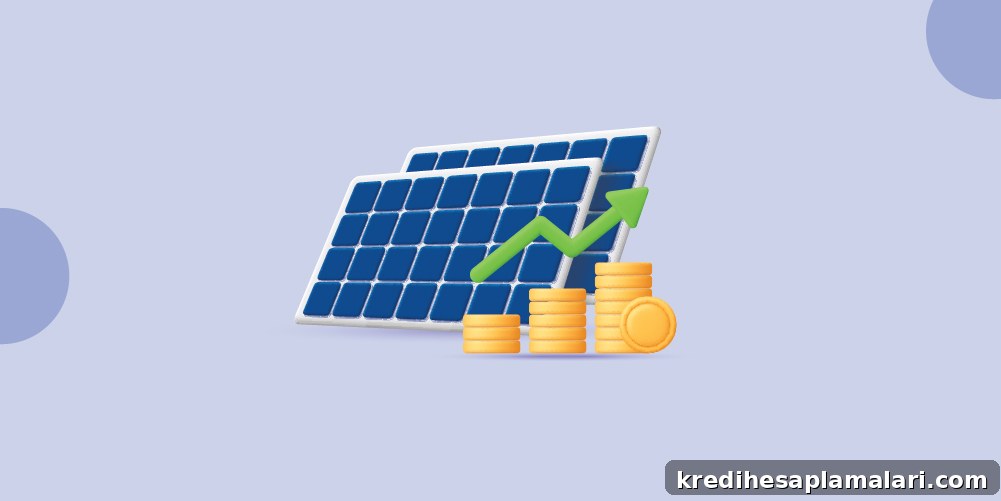
Thinking about switching to solar but hesitating because of the cost? You’re not alone. Solar energy can considerably lower your electricity bills and reduce your carbon footprint, but the upfront expense can feel daunting.
The good news is you don’t need to pay the full amount upfront. Multiple financing options make it possible to install a solar system with manageable monthly payments. The right plan depends on your budget, long-term goals and how much ownership you want over the system.
Read on to learn how to finance solar the smart way.
Understanding Solar Financing
Solar financing spreads the cost of a solar installation over time. Instead of paying a large sum up front, you can choose a loan or another financing option that fits your monthly budget. The best choice depends on how much you can invest now, whether you want ownership and which incentives you want to claim.
Types of Solar Financing Options
1. Solar Power Loans
Solar power loans let you borrow money to install panels, similar to a home or auto loan. With a loan you own the system, which makes you eligible for tax credits, rebates and the full value of ongoing energy savings.
Solar power loans generally fall into two categories:
- Secured loans: Require collateral such as your home and typically offer lower interest rates.
- Unsecured loans: Don’t require collateral but usually carry higher interest rates.
2. Rooftop Solar Loans
A rooftop solar loan is tailored for homeowners installing panels on their roofs. These loans work much like home improvement loans and can be secured or unsecured. They often provide flexible repayment terms that help spread costs over time. With a rooftop solar loan you retain full ownership of the system, which can increase property value and reduce energy bills.
How to Choose the Right Solar Financing Plan
Selecting the best financing plan requires weighing several factors that affect cost, benefits and convenience.
1. Upfront Costs
If you lack sufficient savings for a large down payment, a solar loan can let you go solar with minimal initial expense while letting you benefit from long-term bill savings.
2. Ownership and Incentives
Owning the system through a loan makes you eligible for tax credits, local rebates and the full value of reduced energy bills. Leasing or Power Purchase Agreements (PPAs) may lower upfront costs but usually mean the provider retains ownership and the incentives.
3. Repayment Terms
Compare interest rates, loan length and any prepayment or origination fees. Longer terms reduce monthly payments but increase total interest paid. Look for flexible repayment options that match your cash flow.
4. Energy Savings
Estimate how much you’ll save on electricity after installing panels. If your projected savings reasonably cover loan payments, financing is likely a sound financial move.
5. Flexibility for Future Plans
If you plan to sell your home, owning the solar system can boost property value and simplify the sale. Leases or PPAs may require contract transfer or buyout, which can complicate a sale. A rooftop solar loan that grants ownership typically offers the most straightforward transfer of value.
Conclusion
Choosing the right solar financing plan depends on your budget, long-term objectives and whether you want to own the system. By comparing loan types, repayment terms and expected energy savings, you can find an option that reduces electricity costs while supporting a cleaner energy future.
FAQs on Solar Financing
Can I get a solar loan with bad credit?
Yes, but choices may be limited and interest rates can be higher. Some lenders specialize in loans for lower credit scores, and there are alternatives like lease-to-own arrangements or assistance programs depending on your location.
Are there hidden fees in solar financing plans?
Some plans can include extra costs such as installation, permitting, maintenance or service fees. Review contracts carefully, ask for a clear breakdown of all charges and confirm whether there are prepayment penalties or other conditions before signing.