CIBIL Score Explained: Why Credit Ratings Matter and How to Check Yours
Understanding the role of your credit rating is the first step in managing your credit wisely. Lenders check your credit score whenever you apply for a loan or credit product because it provides an objective view of your credit behaviour and repayment capability. In India, there are four credit bureaus; TransUnion CIBIL is the most widely recognised.
Below, learn what a CIBIL score is, why it matters, how to check it and practical steps to monitor and improve your credit health.
What is the CIBIL Score?
A few essential points about the CIBIL score:
- The CIBIL score is a three-digit number that summarises your creditworthiness.
- Scores range from 300 to 900.
- CIBIL aggregates credit data from lenders periodically to produce a credit profile and score.
The typical score ranges and their likelihood of approval are:
| Score | Approval Probability |
|---|---|
| 900–750 | Highest |
| 749–700 | High |
| 699–650 | Average |
| 649–600 | Low |
| <600 | Difficult |
Your CIBIL score is derived from several factors, typically weighted as follows:
- 30% Payment history
- 25% Credit exposure (amounts owed)
- 25% Credit type and duration
- 20% Other factors (recent inquiries, new credit, etc.)
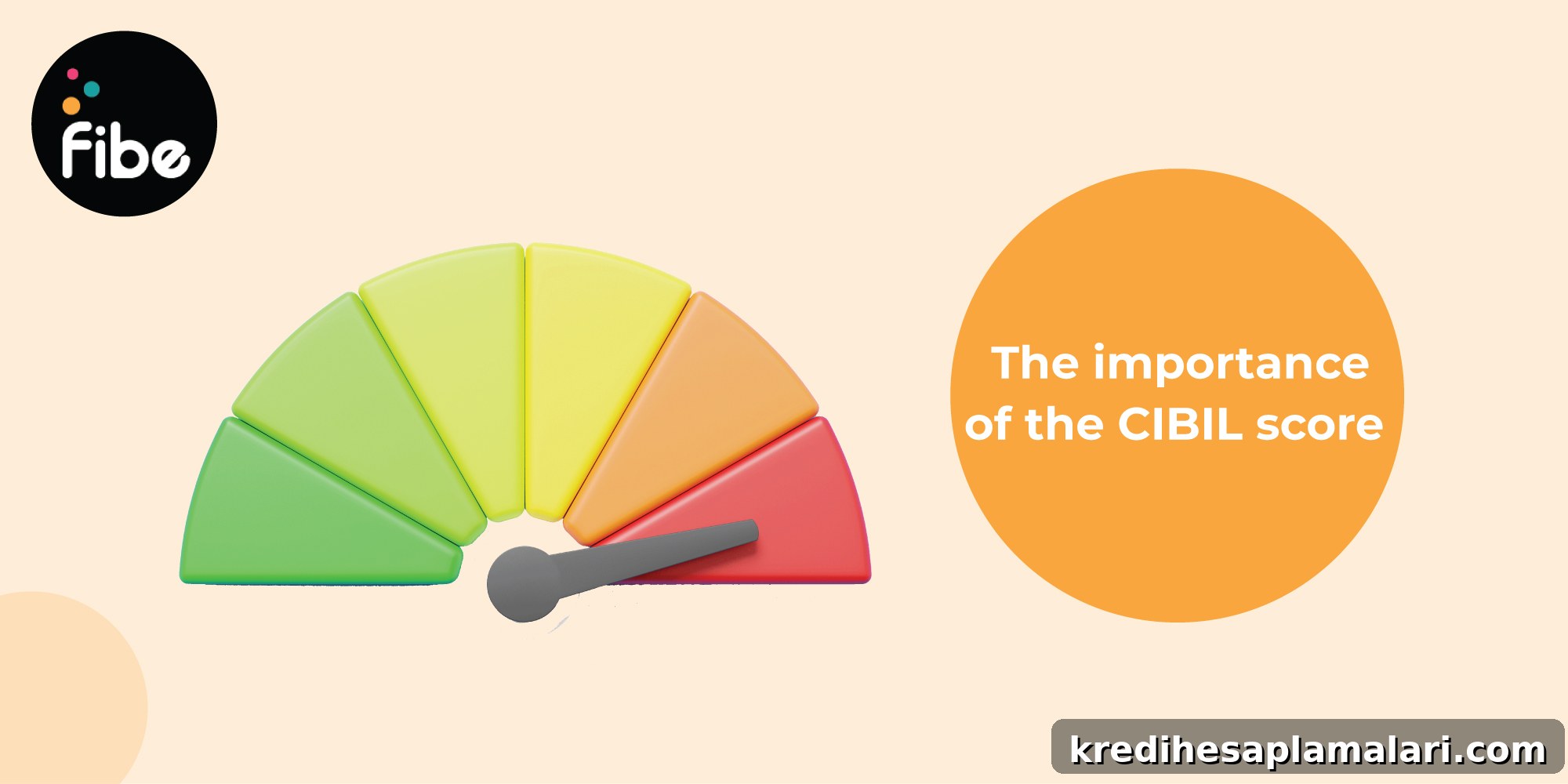
Why the CIBIL Score Matters
The CIBIL score affects many aspects of borrowing and your financial options:
Creditworthiness
Lenders use the three-digit score as a quick indicator of financial reliability. A score of 750 or above generally helps secure faster approvals and favourable terms, though exact thresholds vary by lender.
Approval Speed
A strong score signals lower default risk, speeding up the underwriting process. Scores below about 700 can slow approval or require additional documentation.
Loan Amount
Banks and NBFCs tend to offer larger loan amounts to borrowers with higher scores, since the risk of default is lower.
Tenure
Longer loan tenures involve more risk for lenders. A clean credit history improves your chances of securing longer repayment periods.
Interest Rate
Interest rates generally move inversely to credit scores: higher scores tend to attract lower rates, reducing overall borrowing costs.
Negotiation Power
With a good score you have more leverage to negotiate for lower interest rates, longer tenures or higher loan limits.
Better Credit Card Offers
High scores open access to premium card benefits such as higher limits, better rewards, cashback and exclusive offers.
How to Check Your CIBIL Score
Regularly checking your score helps you spot issues early and take corrective action. To view your free CIBIL score on the official site:
- Step 1: Visit the CIBIL website.
- Step 2: Click on “GET FREE CIBIL SCORE & REPORT”.
- Step 3: Provide personal details such as name, date of birth, email, ID and mobile number.
- Step 4: Accept the terms and continue to view your report.
You can also subscribe to paid plans for regular updates. In addition, financial tools like credit analysers let you compare your score with top borrowers, reveal the behaviours affecting your score and offer tips to improve it.
Apps and services that use alternative credit assessment methods may consider applicants with lower CIBIL scores by evaluating other financial behaviours. These alternate metrics can expand your access to credit when your traditional bureau score is low.
FAQs on CIBIL Score Importance
What is CIBIL and why is it important?
CIBIL (Credit Information Bureau (India) Limited) is a licensed credit bureau that collects credit information and generates credit scores. Lenders use CIBIL reports to assess applicants’ credit standing before approving loans, making it a key factor in borrowing decisions.
Is it necessary to have a CIBIL score?
Yes. A CIBIL score helps lenders evaluate repayment ability. However, some lenders also use alternative scoring models to assess applicants who may have limited or low traditional scores.
What are the advantages of having a good CIBIL score?
A score of 750 or above typically brings clear benefits:
- Lower interest rates
- Access to higher loan amounts
- Longer repayment tenures
- Better credit card offers and higher limits
- Faster approvals
Maintaining good credit habits—timely payments, manageable credit utilisation, a healthy mix of credit types and minimal hard inquiries—will help preserve and improve your CIBIL score over time.