Cheque Bounce Explained: Causes, Risks, and How to Prevent It
Under the Negotiable Instruments Act of 1881, a bounced cheque is considered an offence. If your cheque is dishonoured for any reason, you may face penalties that include fines, imprisonment or both. Beyond legal consequences, a cheque bounce can damage your creditworthiness and create other adverse effects.
Below is a clear explanation of what a bounced cheque is, common causes and the charges that may apply.
What is a Bounced Cheque?
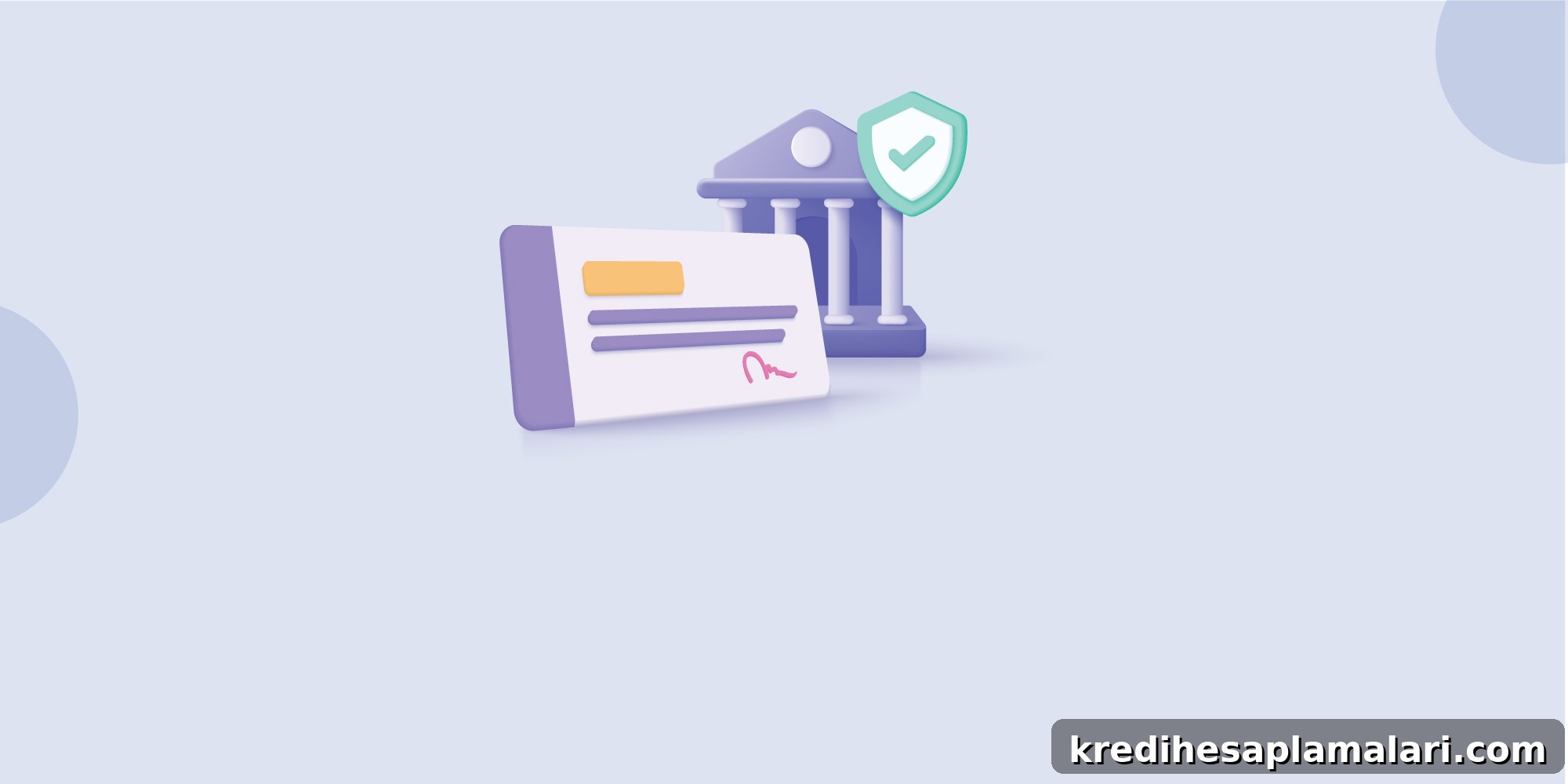
A bounced cheque occurs when a bank is unable to process payment on a presented cheque. Common causes include insufficient funds, signature mismatch, an expired cheque or damaged cheque details. A cheque represents a written instruction from the drawer (the person issuing the cheque) to the bank to pay the payee (the recipient). When the bank cannot honor that instruction, the cheque is returned unpaid—commonly referred to as a cheque return or cheque bounce.
Key points to know:
- The bank moves funds from the issuer’s account to the payee’s account when a cheque is processed.
- In August 2021, the Reserve Bank of India issued guidelines that require account holders to maintain a minimum balance when issuing cheques.
- If the required balance is not maintained, issued cheques may be returned. This applies across public and private banks.
Why Do Cheques Bounce?
Cheques can be returned for several reasons. Understanding these helps prevent the inconvenience and potential legal consequences that follow a dishonoured cheque.
Insufficient Funds
The most common cause of a cheque bouncing is inadequate funds in the issuer’s account. Under the Negotiable Instruments Act, issuing a cheque that cannot be honored is a punishable offence and may attract fines as well as possible imprisonment.
Expired Cheques
Cheques are valid only for a limited time period from the date written on them. If presented after that validity period, the bank will return the cheque as expired and refuse payment.
Damaged Cheques
Physical damage—tears, smudged or illegible writing, heavy folds or missing information—can lead banks to reject a cheque. To avoid this, store cheques flat and protected until they are presented.
Payer Stops Payment
The drawer may instruct their bank to stop payment on a cheque. When such a stop-payment order is in place, the bank will return the cheque to the presenting bank.
Mismatch of Details
Banks will return a cheque if core details do not match their records—such as account number discrepancies or signature mismatch—because this raises questions about the cheque’s authenticity.
Cheque Bounce Penalty
Consequences of a cheque being returned unpaid include:
- The payee can initiate legal action if payment is not made within 30 days of receiving an official demand notice.
- Bounced cheques may result in financial penalties and, in certain circumstances, imprisonment.
What are the Charges for a Bounced Cheque?
Charges for returned cheques vary by bank and by the reason for return. The following examples illustrate how different institutions may levy fees for inward and outward returns, insufficient funds and technical reasons. These charges are subject to change at the bank’s discretion.
| Bank | Charges |
|---|---|
| Axis Bank | Cheques deposited for local clearing at the home branch: ₹500 |
| Bank of Baroda | Inward Return: Up to ₹1 lakh: ₹150 Above ₹1 lakh to less than ₹1 crore: ₹250 More than ₹1 crore: ₹500 Outward Return: Up to ₹1 lakh: ₹250 Above ₹1 lakh to less than ₹1 crore: ₹500 More than ₹1 crore: ₹750 Technical Reason: NIL |
| HDFC Bank | Insufficient Funds: 1st: ₹450 for regular customers, ₹400 for senior citizens; 2nd: ₹500 regular, ₹450 senior; 3rd onwards: ₹550 regular, ₹500 senior Funds Transfer Cheque Return: ₹350 regular, ₹315 senior Technical Reason: ₹50 regular, ₹45 senior |
| SBI | Cheques returned unpaid by others (outstation/local): Up to ₹1 lakh: ₹150 + GST; Above ₹1 lakh: ₹250 + GST Cheques drawn to SBI returned due to inadequate funds: PB & TBU customers: ₹500 + GST (irrespective of amount); SME customers: ₹500 + GST for first 3 returns, ₹1,000 + GST from 4th return onwards Cheque drawn to SBI returned due to technical reasons: ₹150 + GST (no charges if the bank is at fault) |
| ICICI Bank | Outward Return: ₹200 (financial reasons) Inward Return: ₹500 (financial reasons), ₹50 (non-financial reasons except signature verification) |
These sample fees are illustrative and can change. Always confirm current charges with your bank.
To prevent the negative consequences of a bounced cheque, take proactive steps such as maintaining adequate balances, safeguarding cheque integrity and ensuring all cheque details match your bank records.
FAQs on Cheque Bounce
How can I avoid cheque bounce charges?
Practical tips to avoid charges:
- Keep sufficient funds in your account and monitor balances regularly.
- Ensure cheques are intact and all details—amount, date, payee name and signature—match your bank records.
- If unsure about your registered signature, verify it with the bank to avoid mismatches.
- Make sure the amount in figures and words match exactly.
- Write the correct date and ensure funds will be available on that date.
When is the payee charged for a bounced cheque?
The payee may also incur charges for a bounced cheque, depending on the bank and the reason for return—common causes include insufficient funds, signature mismatch and technical reasons. Policies vary by institution, so the payee should confirm with their bank.
Can I get bail in a cheque bounce case?
Yes, it is possible to obtain bail in a cheque bounce case. Legal procedures and outcomes depend on the specifics of the case and applicable law.
What if my cheque bounces due to insufficient balance?
When a cheque is dishonoured for insufficient funds, possible consequences include:
- Legal proceedings initiated by the payee if payment is not made after receiving a demand notice.
- The payee may accept a reissued cheque within an agreed timeframe, often up to three months.
- Potential imprisonment in serious cases as per the Negotiable Instruments Act.
- Monetary penalties and bank charges applied for the returned cheque.
Who pays cheque bounce charges?
Generally, the drawer—the person who issued the cheque—is responsible for paying cheque bounce penalties. In some situations, both drawer and payee may incur fees depending on bank policies and the specific reason for return.
Understanding the reasons and consequences of cheque bounces helps you avoid unnecessary financial and legal complications. Take steps to maintain accurate records and sufficient account balances to reduce the risk of dishonoured cheques.