Bank Locker Guide: How to Use One and What It Costs
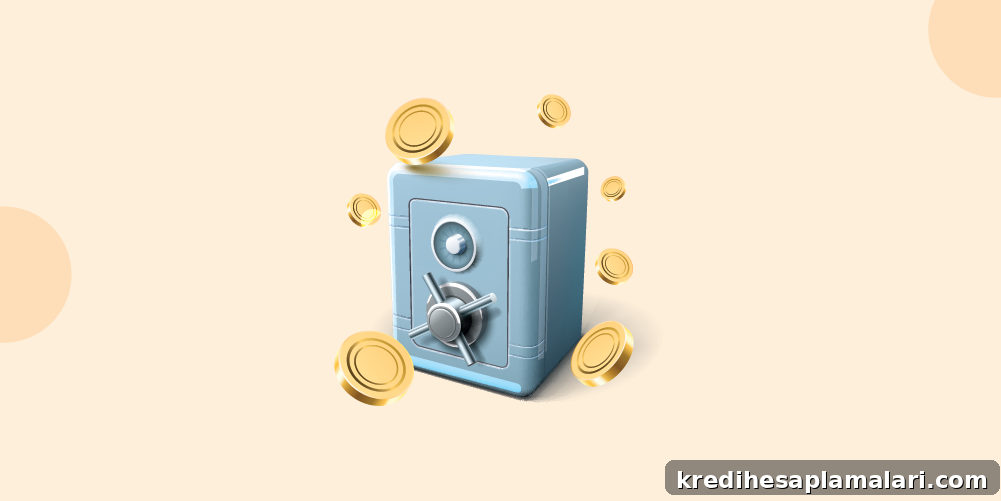
Need a secure place to store valuables? A bank locker provides a reliable solution. Located inside bank premises, these high-security compartments protect important documents, jewellery and other precious items from theft, fire or other risks. While most nationalised and private banks offer locker services, features, availability and charges differ between banks.
Below is a concise guide to renting, using and understanding the costs associated with a bank locker.
Understanding Bank Locker Facility
A bank locker is a secured storage space managed by a bank. Because lockers are inside the bank’s protected area and often monitored by staff and CCTV, they provide greater security than typical home storage options. Common uses include storing:
- Important documents such as property deeds, wills, certificates and legal papers
- Jewellery and family heirlooms
- Valuable collectibles like antiques or small artworks
Lockers vary in size and are rented, not owned, so the bank retains control over access protocols and safety procedures.
Eligibility Criteria for Getting a Bank Locker
Banks generally require a customer relationship before allotting a locker. Typical eligibility conditions include:
- Having an active savings or current account with the bank for a specified period (commonly six months to a year)
- Maintaining a minimum average balance, if required by the bank
- Alternatively, opening a fixed deposit or holding another banking relationship such as a loan may be sufficient
Who can apply:
- Individuals, either singly or jointly with another account holder (for example, a spouse or family member)
- Corporate entities such as companies, firms or trusts that need secure storage
- Non-resident citizens may be allowed to continue locker arrangements established during prior residency, subject to bank policies
Documentation and specific requirements vary by bank, but the common thread is an established banking relationship and identity verification.
Locker Booking Process
Once eligibility is confirmed, the standard steps to book a locker typically include:
- Selecting a locker size—small, medium or large—based on what you need to store
- Paying an initial refundable security deposit and the advance annual rent
- Signing a locker agreement that outlines terms, conditions and responsibilities
- Registering specimen signatures and the nominated person(s) who can access the locker
Some banks maintain waiting lists for popular branches or sizes; it helps to inquire in advance about availability and estimated wait times.
Accessing and Operating the Locker
Bank lockers operate under a dual-control system. When you visit the branch during working hours:
- You present your locker key and identity proof
- A bank officer verifies your credentials and accompanies you to the locker area
- The dual-control arrangement ensures the customer and bank official jointly open and close the locker, maintaining security and accountability
Access is typically limited to the bank’s working hours and designated days; some banks allow restricted additional visits for a fee.
Locker Related Charges
Locker charges vary, but usual components include:
- Refundable security deposit paid at the time of allotment
- Annual rent, which increases with locker size
- Charges for breaking a locker open if you lose the key
- Late payment fees for overdue rent
- Extra visit charges if you exceed the permitted number of free accesses
Typical annual rents can range broadly depending on the bank and locker size. Public sector banks often have lower fees than private banks. Banks may also levy applicable taxes and additional service charges. To get the best value, compare locker sizes, rent, deposit and access rules across banks before committing.
What Happens If a Locker Is Inactive or Rent Is Unpaid?
If a locker remains unused for an extended period, banks usually attempt to contact the locker holder. If there is no response and dues remain unpaid, the bank can serve notices and may ultimately open the locker under prescribed procedures. Items inside will be inventoried and either given to the nominee or handled according to regulatory and bank rules. Similarly, persistent non-payment of rent can lead to the bank seizing and auctioning contents to recover dues after following mandated notice and legal processes.
Conclusion
A safe deposit locker is a practical choice for safeguarding important papers, heirlooms and other valuables that require secure, off-site storage. While costs and conditions vary, the primary benefit is the security and peace of mind that comes from storing valuables in a professionally managed, secure environment. Evaluate locker size, charges and access terms across banks to select the option that best matches your needs.
FAQs
Who is eligible to apply for a bank locker?
Individuals, joint applicants, companies and other entities can apply. Banks usually require a pre-existing account or relationship—such as a savings account, fixed deposit or loan—with a specified minimum duration.
Can I access my bank locker anytime?
No. Locker access is limited to the bank’s operating hours on working days. You must present your key and undergo identity verification.
What happens if I don’t use my locker for a long time?
If a locker stays inactive, the bank will try to contact you. Continued non-response can lead the bank to open the locker after following formal procedures; contents will then be handled as per bank rules and the nomination provided.
What happens if I fail to pay my locker rent on time?
Late fees apply on overdue rent. If rent remains unpaid despite reminders, the bank may ultimately break open the locker and may auction the contents to recover outstanding dues after completing required notices and legal steps.