Apply for a Personal Loan Without a PAN Card: Step-by-Step Guide
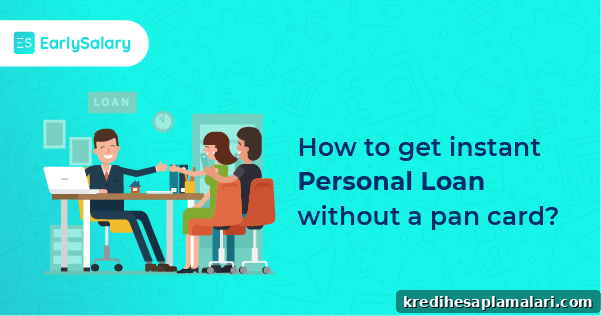
Getting a loan without a PAN card is possible if you can provide an alternative form of identification. Advances in digital lending have made it easier to obtain credit online, including applying through a lender’s website or loan app even if you don’t have a PAN card. However, you still need to satisfy the lender’s eligibility requirements and provide sufficient documentation to demonstrate your ability to repay.
A PAN Card is not always mandatory for every loan, but its absence can complicate the process. Below is a clear overview of when PAN is normally needed, what alternatives lenders accept, and practical steps and tips to increase your chances of approval without a PAN card.
What is a PAN Card and When Do You Need It?
PAN (Permanent Account Number) is a 10-character alphanumeric identifier issued by the Income Tax Department of India to track financial transactions and curb tax evasion. Financial institutions commonly use PAN to link a borrower’s financial profile, verify identity, and access credit histories. Typical situations where PAN is required include:
- Opening bank or Demat accounts
- Applying for loans or credit cards
- Purchasing high-value items such as property, vehicles, or jewellery beyond specified thresholds
- Large cash deposits and certain insurance or investment transactions
- Interacting with the Income Tax Department for filing or paying taxes
While many personal loan applications require a PAN to check credit bureau records and assess creditworthiness, you can still explore alternatives if you don’t have one.
Acceptable Alternatives to PAN
If you do not possess a PAN card, lenders may accept other KYC and identity documents, often combined with income proof. Common alternatives include:
- Aadhaar card
- Voter ID
- Passport
- Ration card
- Bank statements and salary slips as proof of income
Some lenders, especially for smaller loan amounts (commonly under ₹50,000), may waive PAN requirements and approve loans based on alternate IDs and clear income evidence.
Steps to Apply for a Loan Without a PAN Card
The loan application process without a PAN card largely follows the same steps as a standard application, with a focus on providing alternate documents and demonstrating repayment capacity:
- Step 1: Check the lender’s eligibility criteria carefully and confirm which documents they accept in place of PAN.
- Step 2: Select the loan product that suits your needs and start the application process online or via app.
- Step 3: Provide accurate personal, employment and financial details, and upload alternate identity and income documents.
- Step 4: Wait for the lender’s verification and approval decision.
- Step 5: Once approved, the loan amount is disbursed to your bank account.
Eligibility Criteria for an Online Loan Without PAN Card
Although specific criteria vary between lenders, the typical requirements for a personal loan without PAN include:
- Age: usually between 18–57 (some lenders accept up to 60)
- Income proof: bank statements, salary slips or employer certificates
- Minimum take-home or gross salary meeting the lender’s threshold (often around ₹15,000 or per the lender’s policy)
- A satisfactory credit history or credit score
- Proof of Indian citizenship or residency
- Valid alternate ID proof (Aadhaar, voter ID, passport, etc.)
Practical Ways to Improve Approval Odds Without PAN
When applying without a PAN, focus on building trust with lenders through transparent financial records and good credit behaviour. Useful strategies include:
- Maintain a good relationship with your bank: Existing customers or those with prior loan or credit history with the same institution may find it easier to get approval without submitting PAN, since the lender already has financial records on file. Banks sometimes offer pre-approved loans to existing customers with minimal documentation.
- Keep a strong credit score: A healthy credit score (for example, 750+ on common scales) boosts your credibility. Timely repayments and responsible credit usage help maintain a good score.
- Aim for a low debt-to-income ratio: Lenders evaluate the proportion of monthly debt obligations to income. A ratio of around 35% or lower is generally preferred. Ensure your monthly EMIs and other obligations remain within a reasonable portion of your income, typically 30–40% at most.
- Be transparent with lenders: Disclose all sources of income such as salary, rental or part-time earnings and any bonuses. Clear documentation of income increases the likelihood of approval.
- Settle credit card bills and outstanding dues: Clear any pending credit card bills or loan EMI arrears before applying. On-time bill payments signal financial discipline and improve approval chances.
- Meet lender-specific eligibility requirements: Typical requirements include being an Indian citizen within the lender’s age range, stable employment (often a minimum duration in the current job), and meeting the lender’s minimum salary threshold.
- Provide collateral or a guarantor if possible: Offering security or a reliable guarantor can help secure approval in the absence of PAN, since the lender has additional assurance of repayment.
- Consider NBFCs and digital lenders: Non-Banking Financial Companies (NBFCs) and many digital lenders often have simpler documentation norms and can approve smaller personal loans quickly using alternate KYC documents and income proofs. Note that interest rates might be higher without PAN and you should verify the lender’s credibility to avoid scams.
Important Considerations
While it’s feasible to obtain a loan without a PAN card, be mindful that:
- Interest rates or fees may be higher for loans granted without PAN, depending on the lender and risk assessment.
- Some offers that require no PAN might be from unverified sources—always research the lender and read terms carefully.
- For larger loans and many formal financial transactions, PAN remains a standard and often mandatory requirement.
FAQs on Loans Without PAN Card
Is PAN mandatory for cash payments?
A PAN card is mandatory for certain transactions above specified thresholds, such as cash payments or deposits exceeding ₹50,000, and for many tax-related filings.
What types of loans can be availed without a PAN card?
Smaller loans, especially instant personal loans from digital lenders and many NBFCs (often under ₹50,000), may be available without PAN if you provide alternate identity and income proofs.
Do digital lenders provide loans without a PAN card?
Yes, many digital lenders accept alternate forms of ID—such as Aadhaar, passport, voter ID, ration card—and income documentation like bank statements or salary slips to process loan applications without PAN. Always confirm the lender’s KYC requirements and verify their credibility before proceeding.