Affordable Self-Care Tips for Stress Relief on a Budget
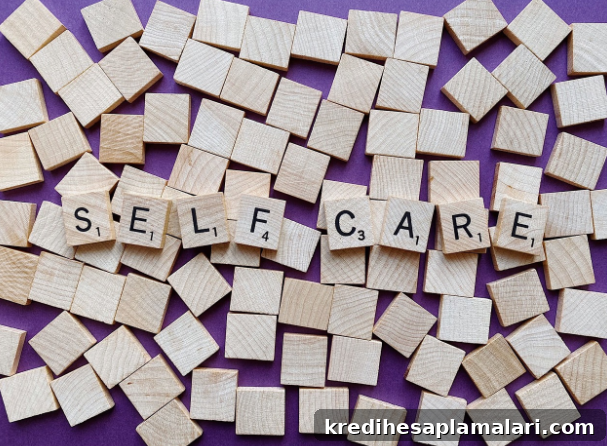
Mental health is becoming an increasingly open topic of conversation, supported by social media and other platforms that make it easier to discuss stress and workplace tension. These common issues can lead to long-term problems such as sleep disturbances, persistent fatigue, and general health decline, so practicing self-care is essential to reduce their impact.
Many people assume self-care means expensive spa days, manicures, or massages. While those can be enjoyable, effective self-care includes many simple, low-cost or free practices you can incorporate into daily life. Below is a practical list of physical and emotional self-care strategies to help you relax, recharge, and maintain balance.
Self-care can be grouped into two main areas: physical and emotional. Each area contains straightforward habits that support long-term wellbeing.
Physical Self-care
Exercise
Regular movement supports both physical and mental health. Exercise increases oxygen flow, improves circulation, helps manage weight, and releases mood-enhancing chemicals. If a full workout feels daunting, start with a daily walk or a short jog. Even 10 minutes of consistent activity helps reduce muscle stiffness and improves energy. The key is consistency—small, regular efforts add up.
Sleep
Good-quality sleep is fundamental to overall health. Irregular sleep schedules and late nights have become commonplace, but prioritizing sleep can improve mood, cognitive function, and longevity. Create a bedtime routine that avoids screens before sleeping, keeps your bedroom dark and quiet, and uses comfortable sleepwear. If you struggle to fall asleep, consider white noise like rain or ocean sounds, or a warm bath or shower before bed to promote deeper rest.
Food and Fluids
Stress can trigger unhealthy eating patterns, including frequent snacking on processed foods. Aim for a balanced diet rich in whole grains, dairy or alternatives, and plenty of fruits and vegetables. Foods that provide B vitamins and vitamin C support energy and immune function. When cravings hit, choose prepared fresh fruit or other healthy snacks to satisfy hunger without undermining your wellbeing.
Emotional Self-care
Meditate
Meditation offers measurable mental and physical benefits: reduced stress, improved sleep, and decreased anxiety. You don’t need long sessions; 10 minutes most mornings can set a calmer tone for the day. If your mind wanders, focus on the rhythm of your breath—inhale, exhale—and bring your attention back gently.
Read
Reading can be a comforting, immersive escape that helps lower stress. Whether you enjoy fiction, poetry, or nonfiction, settling in with a book before bed or during a quiet moment can improve mood and provide mental rest. If you don’t yet enjoy reading, try short stories or topics you’re curious about until you find a style that clicks.
Socialize
Talking with friends or family helps process emotions and reduces the burden of stressful feelings. You don’t always need solutions—often being heard is enough. Make time for a coffee with a friend, a relaxed dinner with a partner, or a short phone call to reconnect when you feel overwhelmed.
Digital detox
Excessive time on social media can increase stress and negatively affect mood. Limiting social media to an hour a day or taking a break for several days can produce noticeable emotional benefits. A digital detox can create space for more restorative activities like walks, reading, or face-to-face interactions.
Journaling
Writing down thoughts and feelings helps organize your mind and gain perspective. Journaling can reduce emotional clutter, improve clarity, and act as a private space for reflection. Regular entries—whether short or long—support emotional processing and self-awareness.
Miscellaneous Self-care Practices
When you need a quick mood boost or a way to unwind, try one of these accessible ideas:
- Make DIY face masks from kitchen ingredients to refresh your skin without spending a lot. Simple homemade recipes can be effective and fun to prepare.
- Cozy up on the couch with a feel-good movie or a favorite show to lift your spirits. Shared activities like a family karaoke night can create laughter and connection.
- Plan a picnic with family or friends instead of an expensive outing—fresh air, simple food, and company can be an affordable and uplifting alternative.
Self-care helps restore physical and emotional energy so you can focus on work, relationships, and daily responsibilities. It doesn’t have to be costly—small, consistent habits make the biggest difference. If you choose to treat yourself with paid services or products, plan and budget so those treats enhance your wellbeing without causing financial stress.