BHIM vs UPI: Key Differences and How Each Works
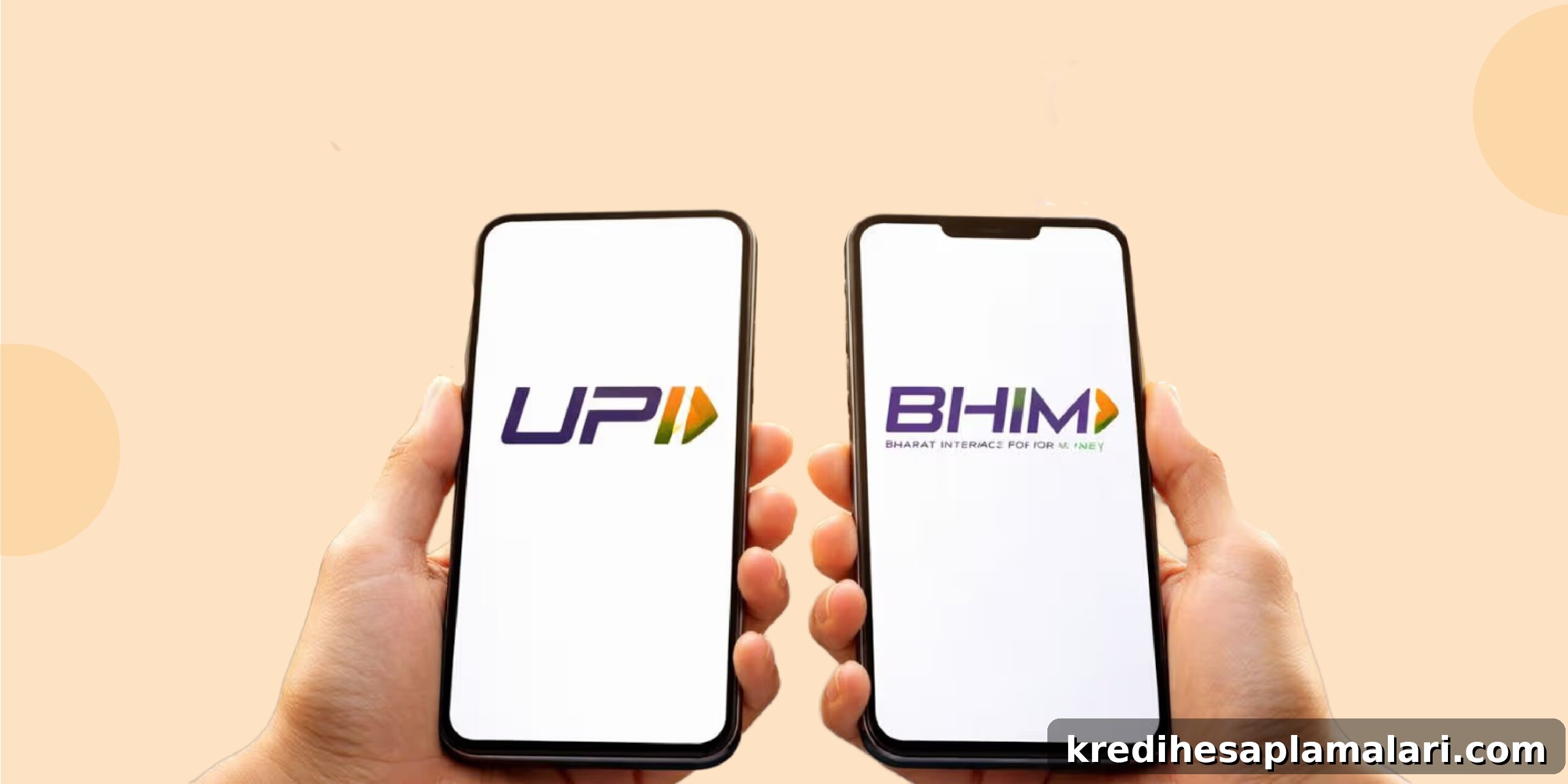
UPI is a digital payments infrastructure, while BHIM is a mobile application built on that infrastructure. In short, BHIM is one of many apps that use UPI to enable instant bank-to-bank transfers.
According to NPCI data, UPI recorded more than 12 billion transactions in a single month in 2024, highlighting how widely the system is used across India. Many people confuse BHIM and UPI, but they are not the same: UPI (Unified Payments Interface) is the payment network created by the National Payments Corporation of India (NPCI), while BHIM (Bharat Interface for Money) is a government-backed app designed to make UPI payments simple and accessible for everyone.
Read on for a clear, easy-to-understand comparison between BHIM and UPI.
Key Differences Between BHIM and UPI
Below is a concise comparison showing how BHIM and UPI differ.
| Feature | BHIM | UPI |
|---|---|---|
| Definition | Mobile payment app developed by NPCI | Payment system enabling instant bank transfers |
| Full Form | Bharat Interface for Money | Unified Payments Interface |
| Type | Mobile application | Payment infrastructure |
| Developed By | National Payments Corporation of India (NPCI) | National Payments Corporation of India (NPCI) |
| Launch Year | 2016 | 2016 |
| Usage | Send and receive money through the BHIM app | Used across many apps like Google Pay, PhonePe, Paytm |
| Platform Availability | Dedicated mobile app | Integrated into multiple apps |
| Interface | Simple and minimal | Varies with the app using UPI |
| Advanced Features | Basic transfers and QR payments | Supports subscriptions, autopay, credit lines and more |
| Example | Sending money using the BHIM app | Paying through Google Pay or PhonePe |
In short, UPI is the underlying payment network and BHIM is one application that operates on that network.
Features of BHIM & UPI
Both BHIM and UPI enable fast, secure digital payments, but they differ in features and user experience.
BHIM
Launched by the Government of India in December 2016 to promote digital payments and financial inclusion, BHIM focuses on simplicity and accessibility.
Key features of the BHIM app include:
- Clear, easy-to-use interface
- Instant bank-to-bank transfers using a UPI ID or mobile number
- QR code payments for merchants
- Support for multiple Indian languages
- Direct linking to bank accounts without any wallet
- Low data usage, suitable for areas with limited connectivity
- Secure authentication through a UPI PIN
Example
To send ₹500 to a friend:
- Open the BHIM app
- Enter the recipient’s UPI ID or select from contacts
- Enter ₹500
- Authenticate using your UPI PIN
The amount transfers instantly to the recipient’s bank account.
When BHIM launched, millions of users downloaded the app within weeks, reflecting its rapid early adoption.
UPI
UPI is the backbone of India’s digital payments ecosystem and powers a wide range of payment apps.
UPI’s notable features include:
- 24/7 instant bank transfers
- Send money using a UPI ID
- QR code payments at physical stores
- Peer-to-peer transfers
- Merchant payments
- Bill payments and mobile recharges
- Auto-pay for subscriptions
- Linking multiple bank accounts within one app
Example
If you need to pay a café bill of ₹350, you can scan the merchant’s UPI QR code and pay using Google Pay, PhonePe, Paytm, or BHIM. Regardless of the app, UPI processes the transaction in the background.
NPCI statistics show UPI handles massive transaction value and volume, making it one of the largest real-time payment systems in the world.
BHIM vs UPI: Practical Examples
Everyday scenarios make the difference clearer.
| Scenario | What Happens |
|---|---|
| Paying a street vendor | You scan the vendor’s QR code using BHIM or another UPI app |
| Paying for online shopping | The payment is processed via UPI through your chosen app |
| Sending money to family | Any UPI-enabled app transfers funds instantly |
| Merchant settlements | Payments use the UPI infrastructure regardless of the app |
Example 1: Paying at a Shop
A grocery store displays a UPI QR code. You can pay using BHIM, Google Pay or PhonePe. The app you choose handles the payment, while UPI completes the transfer.
Example 2: Splitting a Restaurant Bill
Four friends split a ₹2000 bill. Each person sends ₹500 via any UPI app (BHIM, Google Pay, etc.) and the funds arrive instantly. These practical examples clarify the difference between BHIM and UPI.
Benefits of Using BHIM and UPI
Both BHIM and other UPI apps provide advantages that make digital payments convenient and reliable.
1. Instant Payments
Transactions complete within seconds, useful for urgent transfers.
2. No Need for Bank Details
Only a UPI ID is required, so you don’t have to share account numbers or IFSC codes.
3. 24/7 Availability
Payments work any time, including nights and holidays.
4. Secure Transactions
UPI uses two-factor authentication with a UPI PIN to protect payments.
5. Wide Acceptance
UPI is accepted by small shops, large retailers and many online platforms.
These benefits have helped BHIM and other UPI apps become central to India’s digital payment landscape.
Which One Should You Use?
Choosing between BHIM and other UPI apps depends on your priorities. BHIM is a simple, government-backed option focused on core functionality and ease of use. If you prefer additional features like rewards, bill reminders or cashback, third-party apps such as Google Pay or PhonePe may better suit your needs. Remember that UPI is the payment network powering all these apps.
FAQs on Difference Between BHIM and UPI
Is UPI the same as BHIM?
No. UPI is the payment infrastructure that enables bank transfers, while BHIM is an app built on that infrastructure.
Is BHIM approved by RBI?
Yes. BHIM is developed by NPCI, which operates under the guidance of the Reserve Bank of India (RBI).
Which is better, UPI or BHIM?
UPI is the payment infrastructure; BHIM is one app that uses it. Which is better depends on the features you want in a payment app.
Can I use BHIM and Google Pay together?
Yes. Both apps run on UPI, so you can link the same bank account to both and use them simultaneously.