Master Your Finances with the 50/30/20 Budgeting Rule
Managing personal finances can feel overwhelming when monthly income must cover bills, EMIs and savings goals. A simple budgeting framework can make this easier. One widely used and practical method is the 50/30/20 rule.
Understanding the 50/30/20 Rule of Money
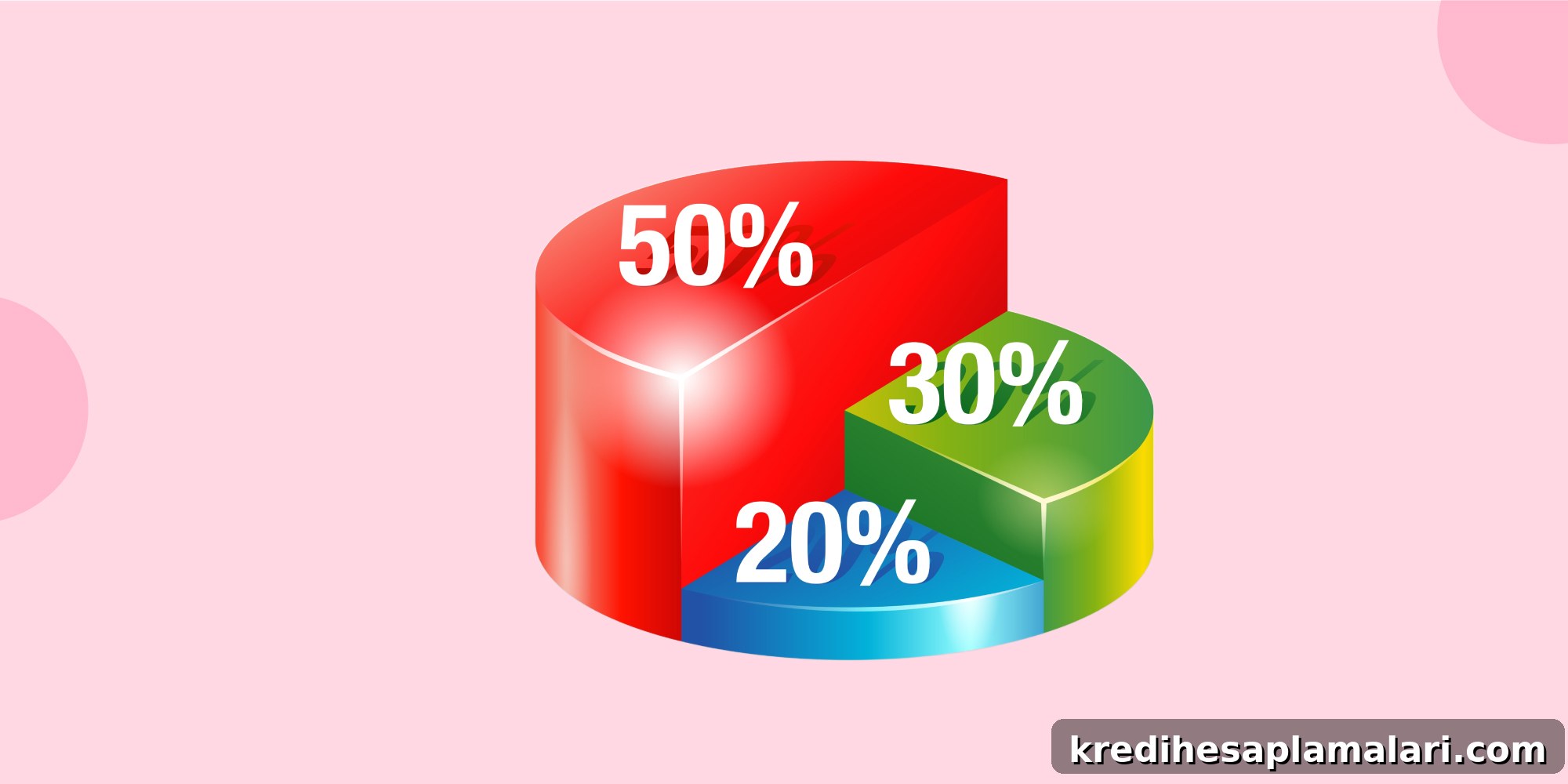
The 50/30/20 rule divides your monthly take-home income into three clear categories:
- 50% for needs
- 30% for wants
- 20% for savings and investments
This rule applies to your net income, after taxes and mandatory deductions. Its purpose is to balance essential living costs, lifestyle spending and long-term financial security. Because it uses proportions instead of exact amounts, the rule is flexible and easy to follow—particularly helpful for beginners or people with variable monthly expenses.
50% for Needs
Needs are necessary expenses required for daily life. Typical examples include:
- Rent or home loan EMIs
- Groceries
- Utilities such as electricity, water and internet
- Insurance premiums
- Education fees
- Minimum debt repayments
These essential costs should ideally stay within 50% of your take-home pay.
30% for Wants
Wants cover discretionary spending that improves lifestyle and comfort but are not essential. Examples include:
- Dining out and food delivery
- Shopping for non-essential items
- Entertainment and subscription services
- Travel and leisure activities
20% for Savings and Investments
The remaining 20% focuses on building future financial stability. This portion typically includes:
- Emergency fund contributions
- Long-term investments
- Retirement planning
- Extra loan repayments to reduce debt faster
What to Prioritise First: Emergency Fund or Investments?
Before making aggressive investments, it is generally wise to build an emergency fund that covers three to six months of essential expenses. An emergency buffer protects your finances from unexpected costs and prevents you from disrupting long-term plans when urgent needs arise.
How to Track Expenses to Follow the 50/30/20 Rule
Consistent tracking keeps your budget aligned with the 50/30/20 split. Effective methods include:
- Using budgeting apps to categorise spending automatically
- Reviewing bank and card statements monthly
- Categorising expenses manually in a spreadsheet or notebook
- Setting spending alerts to avoid overshooting limits
Common Challenges with the 50/30/20 Rule
Although simple, the rule has limitations and may need adjustment:
- High rent or multiple EMIs can push essential costs above 50%.
- Irregular income makes consistent allocation difficult.
- Unexpected emergencies can temporarily derail savings targets.
- Lifestyle inflation can expand the “wants” category over time.
How Fibe Can Help You Stick to the 50/30/20 Rule
Unexpected expenses sometimes force people to dip into savings or interrupt long-term investments. A suitable short-term financing option can help preserve your savings. Fibe offers instant personal loans up to ₹10 lakhs through a fully digital process, allowing you to handle urgent costs without breaking your financial plan.
Example: Applying the 50/30/20 Rule with Fibe Support
For a monthly take-home income of ₹50,000, the 50/30/20 split would look like this:
- ₹25,000 for needs
- ₹15,000 for wants
- ₹10,000 for savings
If an unexpected medical expense occurs, using a short-term loan instead of draining your savings can help maintain your budgeting discipline and long-term goals.
Conclusion
The 50/30/20 rule offers a practical, sustainable approach to budgeting without unnecessary complexity. By allocating clear percentages to needs, wants and savings, it creates financial discipline and helps build long-term security. Adjust the proportions as needed for your situation, but use the rule as a starting point to guide spending and saving choices.
FAQs
Why the 50/30/20 Rule Works for Most People?
The main strength of the 50/30/20 rule is its simplicity. It provides clear boundaries, flexibility and an easy framework to control lifestyle spending while maintaining savings. For salaried professionals and young earners, it promotes disciplined money management without overwhelming detail.
Is the 50/30/20 Rule Effective for Beginners?
Yes. The rule is easy to understand, requires no advanced financial knowledge, encourages early saving habits and helps curb impulsive purchases. It’s an effective first step toward better financial planning.
Is the 50/30/20 Rule Suitable for Someone with Multiple EMIs?
If multiple EMIs push essential expenses above 50%, the rule can be adapted. Practical adjustments include reducing discretionary spending, prioritising high-interest debt repayment and gradually moving toward the ideal ratio as debts are paid down.