How HR and Technology Are Shaping the Future of Work
By-
Lucky Kulkarni, Group Head HR, Jeena & Company
Over the years I have observed Human Resources evolve from a back-office administrative function to a strategic leader in organisational growth. HR now touches every layer of decision-making, planning and execution. Defining roles and responsibilities across the business, HR can no longer remain traditional; it must embrace technology to shape modern organisations. The integration of technology with HR practices is producing tangible results and creating new opportunities for HR to add value. Organisations that fail to align HR and leadership with current technology risk falling back into inefficiency.
Digital transformation is a top priority for many leaders. Technological change reshapes not only HR but also communication, analytics and many related functions. Technology has already transformed how HR hires, trains, compensates, collects and stores information. It is set to do much more, and organisations must prepare accordingly.
Research shows limited readiness: a survey of 1,200 HR executives across 64 countries found only 39% felt confident about adopting change to modernise outdated models. Many HR leaders find the rapid arrival of new tools overwhelming and struggle to adapt in a world where work is increasingly mobile and decisions are made on the go. Ignoring these shifts can undermine organisational health.
How has technology affected HR functions and roles?
Leading trends shaping HR include big data, social media, mobile apps, cloud technology and SaaS models. Automation drives efficiency and streamlining. Tracing the evolution of HR and technology shows how deeply connected they have become.
Before the internet, hiring relied on letters and in-person walk-ins. Today, applicant tracking systems and online job portals put a wide talent pool within reach with minimal effort. Technology reduces the managerial burden of onboarding, orientation and training through digital tools, presentations and demos, making it easier to match candidates to roles.
Technology also simplifies tracking employee performance. Dedicated software gathers and synchronises data, often customised to organisational needs. Analysing employee performance data helps HR communicate more effectively and take strategic actions. Automated HR solutions bundle information and enable HR to function as a strategic partner rather than a purely administrative unit.
As work culture evolves, employees are treated more like customers, with personalised experiences and wellness programs tailored to their needs. Access to data and customisation tools allows organisations to design and measure initiatives that increase engagement, satisfaction and productivity.
Smartphones are central to modern HR because they make daily professional tasks simple and mobile. While face-to-face interaction remains important for team direction and morale, mobile apps remove barriers of time and distance and are indispensable for everyday operations.
Social media plays an active role in recruitment and engagement. Platforms like LinkedIn and Facebook are common sources of candidates, and many organisations report an increase in hires sourced through these channels. Social media helps showcase company culture, engage employees and reach potential talent. It also keeps HR professionals informed about industry trends and competition.
Cloud applications and SaaS platforms are vital for storing employee records, documents and analytics. These tools provide anytime access and archiving options, though organisations should assess whether cloud services add clear value; they are not automatically the right choice for every business.
Centralisation is another benefit of modern tools. Interconnected offices and cloud solutions enable seamless information flow, improving workforce coordination and business integration. Examples like online collaboration tools and automated payroll systems illustrate how digitalisation standardises roles, pay and administrative processes across locations.
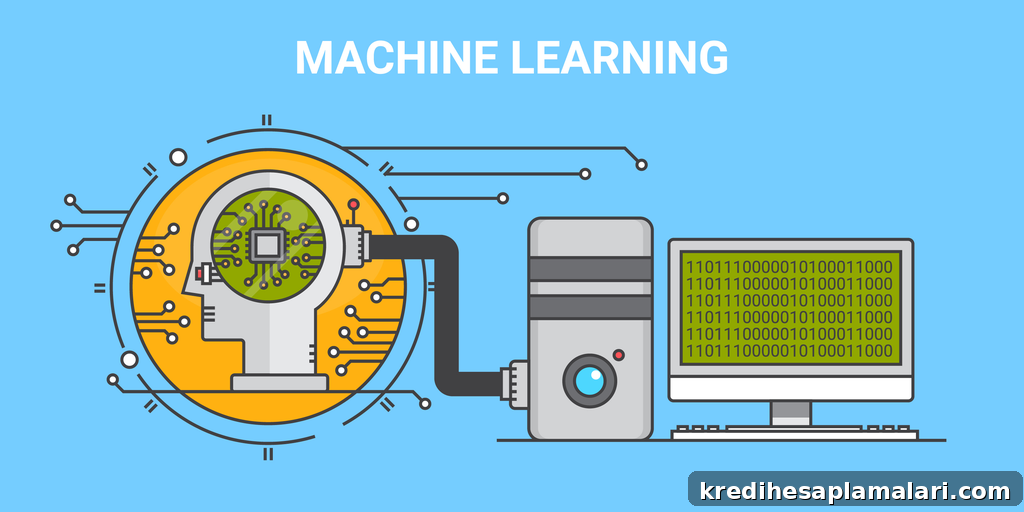
Emerging technologies such as predictive analytics, artificial intelligence and machine learning are opening new pathways for HR. These advances improve operational efficiency and free HR to focus on strategic priorities. Crucially, organisations must ensure they have the talent to leverage these technologies and leaders willing to champion digital change. Success requires quick adaptability and a balanced integration of digital tools with human judgement. When the right technologies are combined with capable people, organisations can gain a distinct competitive advantage.