Why KYC Matters for Investments and Loans: Key Benefits and Risks

Your KYC status plays a bigger role than many realize. It determines how easily you can invest, open financial accounts, or secure a loan. Although completing KYC may seem like a small administrative step, most platforms will not let you proceed without it. Whether you want to start a SIP, buy mutual funds, or apply for credit, a verified KYC ensures the process is smoother and faster.
Read on to learn how KYC affects loan approvals and investment access, and what to do if your KYC needs attention.
What is KYC Status?
KYC status is linked to identifiers such as PAN and Aadhaar and indicates whether your identity verification is complete, pending, on hold, or rejected. Platforms use this status to decide if you are eligible to transact, invest, or borrow. An incomplete or outdated KYC can block transactions even when other account details are correct.
Many first-time investors discover the importance of KYC only when they face delays. Knowing and monitoring your KYC status ahead of time helps you avoid interruptions and lets you take full advantage of financial services from the start.
How to Check KYC Status?
Checking your KYC status online is quick and straightforward. Typical steps include:
- Visit the platform: Go to your mutual fund company’s website or a trusted Registrar and Transfer Agent (RTA) site.
- Locate the KYC section: Look for a dedicated “KYC Status” link or page.
- Enter your details: Provide your 10-digit PAN and any other required information.
- View the result: The platform will display your current KYC status.
This simple check keeps your investments and loan applications moving smoothly. For lenders, the same verified status speeds up decision-making—demonstrating again how critical KYC is for both investments and loan approvals. Fixing your KYC early ensures seamless access to financial services.
Types of KYC Status
There are four main KYC status categories you may encounter:
- KYC Validated
This indicates your KYC is complete and accepted. You can invest or apply for credit without further verification.
- KYC Registered
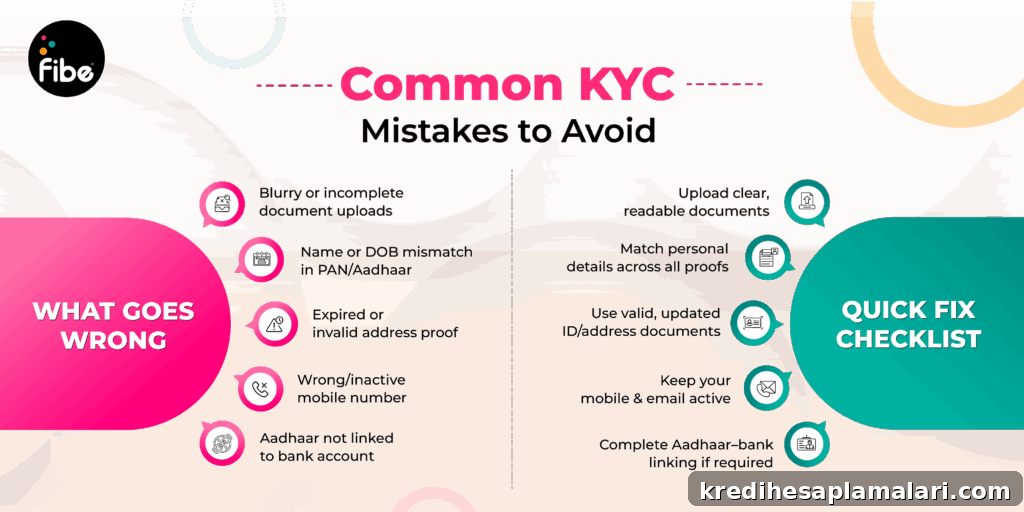
“Registered” means your KYC record exists but may require updating before new investments are allowed. You can usually manage existing holdings but may be asked to complete re-KYC for fresh transactions. This often involves linking PAN with Aadhaar or updating details through DigiLocker or the mAadhaar app. After updating, your status should change from Registered to Validated.
- KYC On-Hold
“On-Hold” indicates an issue with your verification. Common causes include:
- Unvalidated email or mobile number
- PAN not linked to Aadhaar
- Unclear or incomplete documents
Resolving these problems promptly avoids delays when applying for loans or starting new investments.
- KYC Rejected
If your KYC is rejected, the platform usually provides a reason. Correct the identified issue—such as submitting clearer documents or updating mismatched details—and resubmit. Once accepted, your status will move to Registered or Validated.
KYC Importance in Investments
Completing KYC is the mandatory first step before investing in mutual funds, stocks, ETFs, and other financial products. Your KYC status affects how quickly and reliably you can start and maintain investments.
Key reasons KYC is important for investments:
- Allows new investments: Platforms typically block fresh investments until KYC is verified.
- Protects your accounts: Verification confirms account ownership and reduces the risk of misuse.
- Reduces delays: With KYC complete, SIPs and fund transactions are processed faster.
- Ensures regulatory compliance: Verified KYC keeps you aligned with SEBI and other regulations.
- Prevents fake accounts: Thorough checks improve security for all users.
e-KYC via Aadhaar and OTP can be completed online, but note there may be investment limits for e-KYC accounts. If you need higher investment capacity, full KYC with in-person verification may be required. Always check current limits with your platform before investing large amounts.
KYC for Loans
KYC matters equally when applying for loans. Lenders rely on verified KYC to confirm your identity, review your credit history, and assess your income documentation.
Specifically, lenders use KYC to:
- Confirm identity: Verify who is applying for the loan.
- Check credit background: Access your borrowing history and credit profile.
- Assess income: Evaluate your ability to repay the loan.
If your KYC is incomplete or contains errors, loan processing can be delayed or rejected. A validated KYC speeds up approvals, reduces back-and-forth documentation, and increases lender confidence—demonstrating the direct impact of KYC on loan approval timelines.
Benefits of Completing KYC
Completing KYC unlocks smoother, faster, and more reliable access to financial products and services. The benefits include:
- Faster approvals: Verified KYC accelerates both investment onboarding and loan disbursals.
- Fewer delays: Less document back-and-forth during account setup and transactions.
- Greater trust: Platforms and lenders view you as a verified and reliable user.
- Higher limits: Full KYC often enables larger investment and borrowing capacities.
- Access to more services: A completed KYC opens up a wider range of offerings, from SIPs to tailored loan products.
A completed KYC not only helps you begin investing but also enables smarter borrowing options linked to your investments. For example, some lenders offer loans against mutual fund holdings that require minimal paperwork once KYC and necessary holdings are validated. Such facilities let you manage expenses while keeping your investment strategy intact.
FAQ
How does KYC status affect loan approval?
Lenders check your KYC as one of the first steps in loan processing. KYC confirms your identity and helps lenders access credit history and supporting documents. If KYC is incomplete or invalid, the loan application can be delayed or rejected. Once KYC is verified, the overall process becomes faster and smoother, improving the chances of timely approval.