Solar Energy: What It Is, How It Works, Benefits & Drawbacks
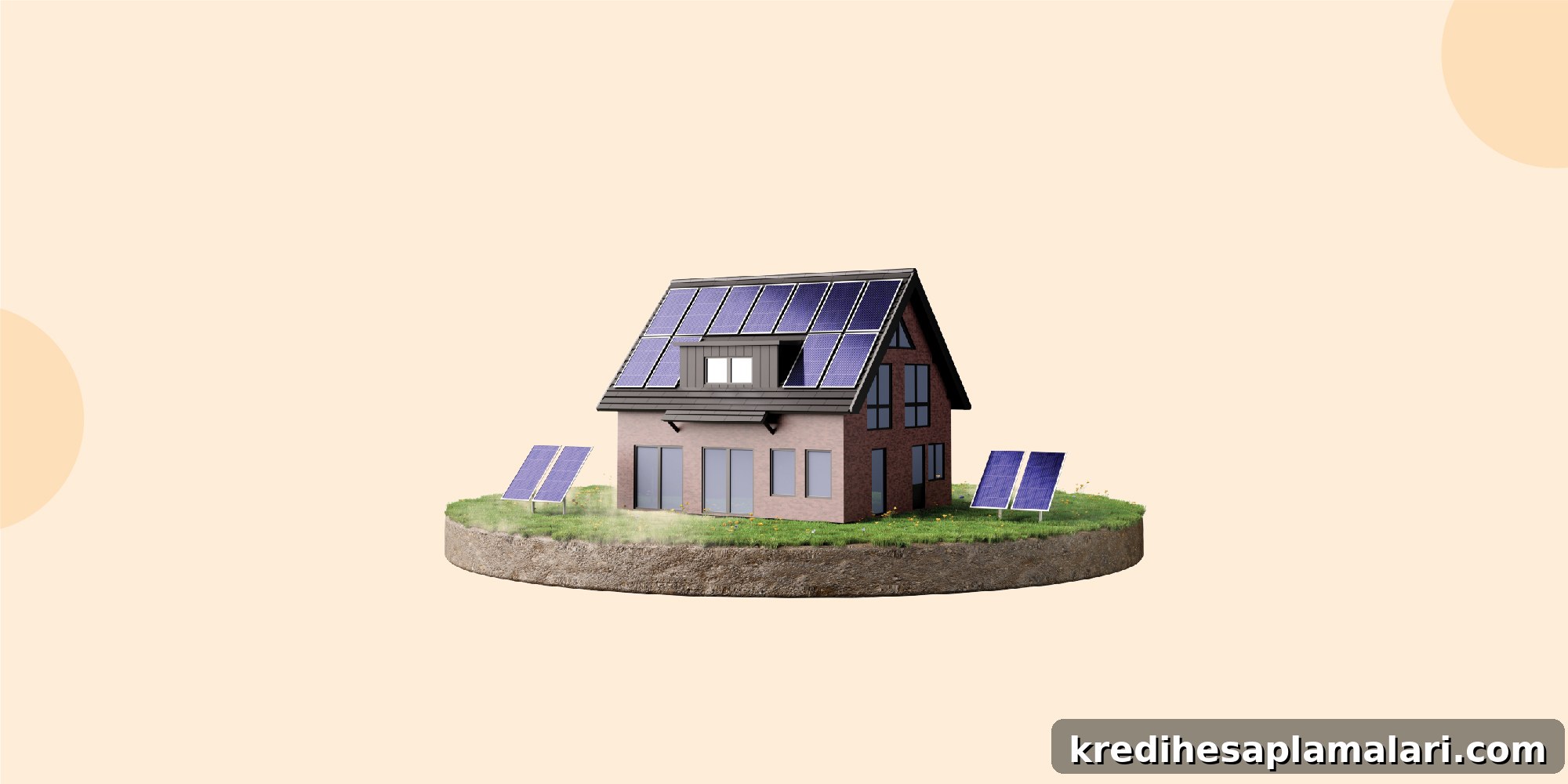
Have you ever wondered how sunlight can be converted into electricity to power homes and devices? Solar energy uses the sun’s radiation to produce electricity and heat, offering a clean, renewable alternative to fossil fuels. Sunlight itself is free, and modern photovoltaic systems and solar thermal technologies convert that energy into usable power. While solar power brings many benefits—lower emissions, reduced energy bills and growing technological improvements—it also has drawbacks such as high upfront costs and variability due to weather and day-night cycles. Still, as technology and financing options improve, solar energy is becoming an increasingly practical choice for households and businesses.
Read on to learn what solar energy is, how it works, its main advantages and disadvantages, and common questions answered.
Solar Energy Meaning
Solar energy originates from the sun’s electromagnetic radiation. The Earth receives an enormous amount of solar power—far more than global energy demand. That energy can be captured in several ways. The most common approach is photovoltaic (PV) panels installed on rooftops or open fields; PV cells convert sunlight directly into electricity. Another method, Concentrated Solar Power (CSP), uses mirrors or lenses to concentrate sunlight to produce heat, which then drives turbines to generate electricity. Both technologies are widely used and continue to improve in efficiency and affordability.
Solar Energy And Its Advantages
Solar power offers several notable advantages that make it attractive for many applications:
- Renewable and environmentally friendly:
Solar energy relies on the sun, an effectively inexhaustible resource on human time scales. It produces electricity without burning fuel, which means significantly lower greenhouse gas emissions and reduced air pollution compared with fossil-fuel generation.
- Lower electricity bills:
Installing solar panels can reduce or even eliminate a household’s or business’s grid electricity consumption. Depending on system size, local solar irradiance and electricity rates, savings can be substantial—often cutting energy bills by a large percentage and providing a predictable reduction in ongoing utility costs.
- Technological advancements:
Continuous improvements in PV cell design, manufacturing, and energy storage are increasing system efficiency and driving down costs. Innovations such as higher-efficiency cells, bifacial panels, and improved inverters make modern systems more productive and reliable than earlier generations.
- Low maintenance costs:
Once installed, solar systems generally require limited maintenance. Routine tasks typically include periodic cleaning to remove dust and debris and occasional inspections to ensure inverters and mounting hardware function properly. Well-installed systems can operate reliably for decades with minimal upkeep.
Disadvantages of Solar Energy
Despite its benefits, solar energy has limitations to consider when planning an installation:
- High initial cost:
The upfront expense for purchasing and installing solar panels, inverters and wiring, plus any required structural upgrades or permits, can be significant. Although costs have fallen substantially over the years and financing options exist, the initial investment remains a barrier for some homeowners and businesses.
- Weather and sunlight dependence:
Solar generation varies with weather conditions and daylight hours. Cloudy days, shading, and nighttime reduce or halt electricity production. Effective system design, geographic siting and combining solar with storage or grid connection help manage variability.
- Energy storage costs:
To use solar power when the sun isn’t shining, batteries or other storage solutions are needed. Although battery prices have fallen, storage remains a significant additional cost and batteries have a finite lifespan that requires eventual replacement.
- Space requirements:
Generating substantial solar power requires area for panels. Rooftop space can be limiting for small homes, and large ground-mounted systems need open land. Efficient panel selection and system layout can maximize output within available space, but space constraints remain an important consideration.
Also Read: Loans For Solar Installations
Solar energy is a major long-term option for reducing carbon emissions and increasing energy independence. With improving technology, supportive policies and expanding financing choices, solar remains a key part of sustainable energy strategies.
Many financing providers now offer solutions to make solar more accessible—covering up to the full project cost, flexible repayment schedules and pay-as-you-use interest structures—so homeowners and businesses can adopt solar with less upfront strain.
FAQs on Solar Energy
Who discovered solar energy?
The photovoltaic effect, the principle behind modern solar cells, was first observed by French physicist Edmond Becquerel in 1839. His early experiments laid the groundwork for the development of solar cell technology over the following decades.
What are solar cells called?
Solar cells are commonly called photovoltaic (PV) cells. Multiple PV cells are combined into modules, often referred to as solar panels, which convert sunlight directly into electrical energy suitable for residential, commercial and utility-scale use.