Get a Personal Loan on a Low Income: Practical Tips and Options
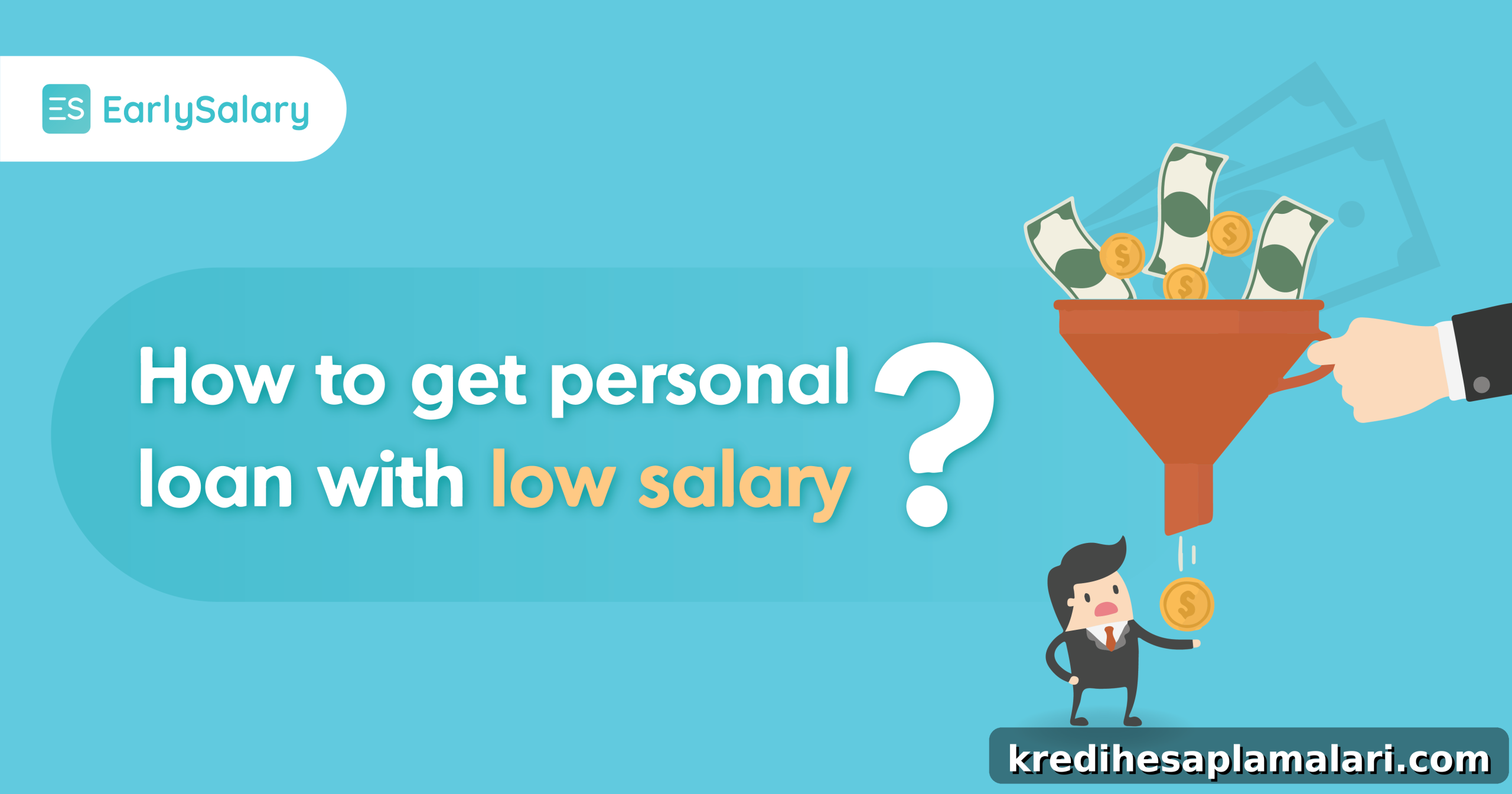
Income plays a major role in a lender’s decision, so securing a personal loan with a low salary from traditional banks can be challenging. However, a growing number of online lenders provide personal loans with simplified eligibility criteria and more flexible income requirements.
There are practical steps you can take to improve your chances of getting a personal loan even with a modest salary. Read on for actionable tips to strengthen your eligibility and secure the funds you need.
A Guide to Getting a Personal Loan as a Low-Salaried Applicant
If your salary is on the lower side, you can still qualify for a personal loan by following these strategies:
Choose Lenders with Low Minimum Salary Requirements
The first step is to research lenders and compare their eligibility criteria. Different lenders set different minimum income thresholds. Some online lenders approve applications for borrowers earning relatively low monthly incomes, especially in non-metro areas. Spending time comparing offers helps you find lenders whose income requirements match your earnings, improving your likelihood of approval.
Improve and Highlight Your Credit Profile
A strong credit score signals to lenders that you handle credit responsibly and are likely to repay on time. If your credit history is limited, consider building it through timely bill payments and small credit use. Some lenders also use alternative credit assessment methods that take into account rent, utility payments, or other financial behavior, which can benefit borrowers with limited traditional credit history.
Show All Sources of Income
Even if your salary is modest, you may have additional income from investments, rental property, freelancing, or other side work. Presenting a comprehensive picture of all income sources helps lenders assess your repayment capacity more accurately and can improve your chances of approval.
Apply with a Lender You Already Have a Relationship With
If you already hold a savings account, fixed deposit, or investment with a bank or NBFC, applying to the same institution can help. Lenders with existing relationships often have better visibility into your financial behavior and may be more willing to extend credit under favorable terms.
Reduce Existing Debt Obligations
Lenders prefer applicants who have manageable existing liabilities. Paying down outstanding debt or consolidating multiple obligations can lower your debt-to-income ratio and boost your chances of qualifying for a new loan.
Consider a Secured Loan
Secured loans, backed by collateral such as a fixed deposit, government bonds, or other assets, reduce the lender’s risk. Pledging collateral can help you obtain funds even if your salary is relatively low, often at better interest rates than unsecured loans.
Apply with a Co-applicant
Applying jointly with a spouse, parent, or another eligible co-applicant who has a higher income can increase your combined eligibility. Keep in mind that both applicants share legal responsibility for repayment, so the co-applicant should be prepared for that commitment.
Documents Typically Required for a Low-Salary Personal Loan
While requirements vary by lender, the following documents are commonly requested when applying for a personal loan with a lower salary:
- Passport-sized photograph
- PAN card
- Address proof such as Aadhaar card, voter ID, or driving licence
- Income proof such as recent salary slips and bank statements
Providing clear, accurate documents and presenting all available income streams improves the lender’s confidence in your application. Using the strategies above makes it possible to obtain a low-salary personal loan when you need funds.
Frequently Asked Questions about Low-Salary Personal Loans
Can I get a loan if my salary is ₹12,000?
Approval depends on the lender’s specific eligibility criteria. Some lenders require a higher minimum income, while certain online lenders consider additional income sources or alternate credit assessments. Check individual lender terms before applying.
How can I get a loan if my salary is less than ₹15,000?
If your salary is below a lender’s minimum, seek lenders with lower income requirements, present additional income sources, or apply with a co-applicant. Choosing a lender that uses flexible eligibility criteria will improve your chances.
What is the lowest salary required for a personal loan?
Minimum salary requirements vary by lender. Some digital lenders set lower thresholds for applicants in non-metro locations, while traditional banks often have higher minimums. Always review each lender’s eligibility rules before applying.
Does my salary determine my personal loan eligibility?
Income is a key factor in eligibility decisions because it helps lenders assess your repayment capacity. However, lenders also consider credit history, existing liabilities, employment stability, and other supporting income when making a decision.
Can a new employee get a personal loan?
Yes—some lenders provide loans to new employees, especially if they can demonstrate a steady income stream or provide supporting documents. Salary advances or loans tailored for recent joiners may also be available.
Will my income affect the loan amount I can get?
Generally, a lower salary can lead to a smaller sanctioned loan amount, since lenders adjust loan sizes based on assessed repayment capacity. Strengthening other factors such as credit score or adding a co-applicant can help increase the eligible amount.
Can I apply for a low-income loan if I live outside a metropolitan area?
Yes. Many lenders consider location when setting eligibility criteria, and some offer more flexible minimum income requirements for applicants in non-metro areas. Verify the lender’s terms for your specific location before applying.
Use these guidelines to identify lenders that match your income profile, prepare the required documents, and take steps to strengthen your application. With the right approach, obtaining a personal loan on a low salary is achievable.