How Raising Your Credit Limit Affects Your Credit Score
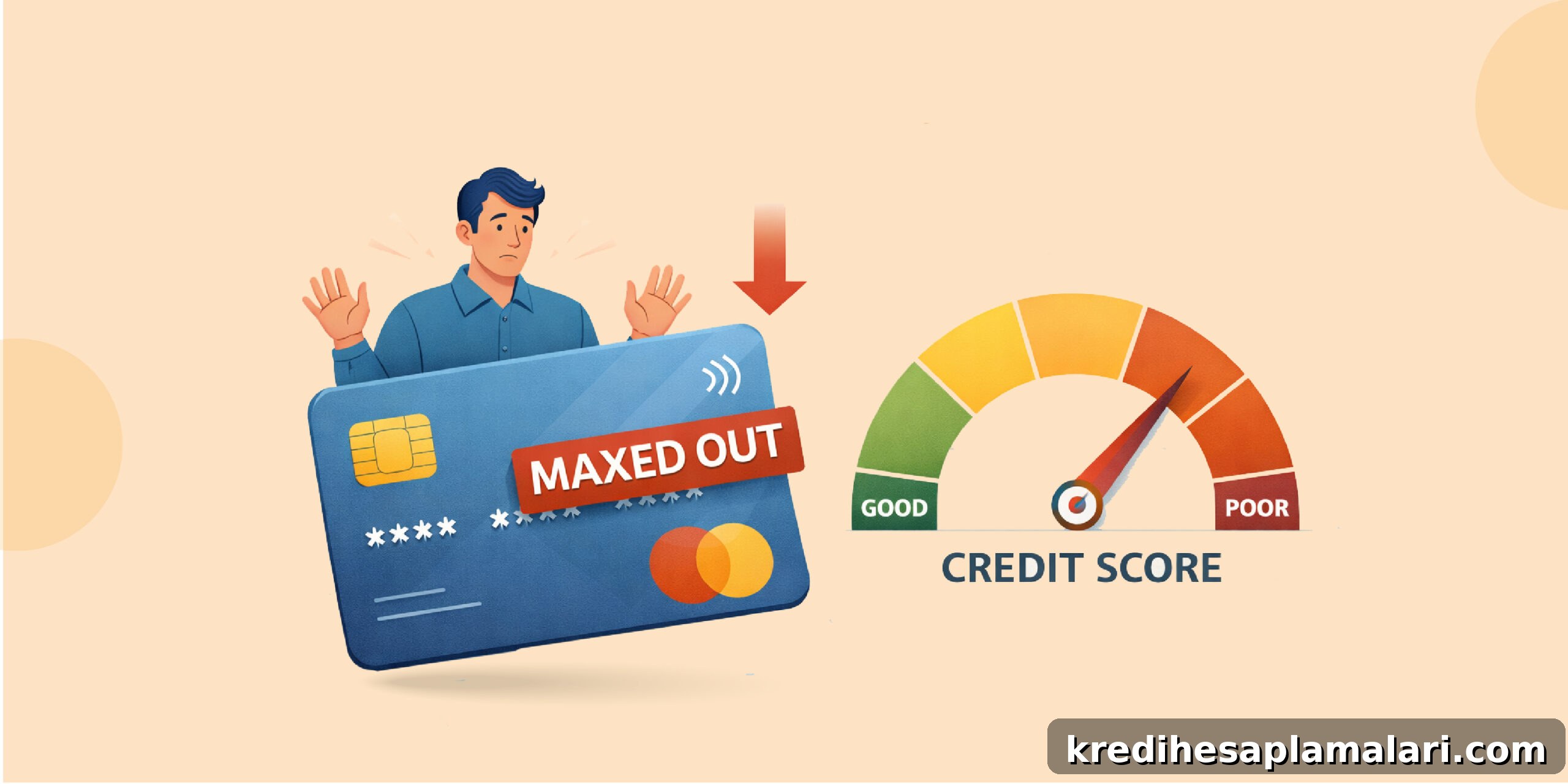
Yes. Using 100% of your credit card limit can hurt your credit score. Maxing out a card signals to lenders that you may be overly reliant on credit, raising your perceived risk even if you always pay on time.
What is Credit Utilisation?
Credit utilisation is the percentage of your available credit that you’re using. For example, if your credit limit is ₹1,00,000 and you have a balance of ₹50,000, your utilisation ratio is 50%.
This metric matters because lenders use it to assess how you manage credit. It reflects whether you rely heavily on borrowed money or use credit conservatively. Credit utilisation shows how much of your available credit you typically carry from month to month.
Credit utilisation is an important component of your credit score—around 30% of the calculation, according to Experian—so it ranks just behind timely payments in importance.
How Using 100% of Your Credit Limit Impacts Your Credit Score
Maxing out a credit card is risky both practically and from a credit scoring standpoint. Key effects include:
- Higher risk perception — A full balance suggests financial strain and increases how risky lenders view you.
- Immediate score drop — Credit bureaus report balances on regular cycles; a spike to 100% can quickly lower your score due to poor utilisation.
- Negative impact despite on-time payments — Paying on time is essential, but bureaus also evaluate how much of your credit you use. High utilisation can damage your score even with perfect payment history.
- Reduced borrowing power — Persistent high utilisation can make lenders reluctant to approve loans or raise limits.
- Lower creditworthiness for future loans — Heavy reliance on credit weakens your overall profile and can hurt loan approvals and interest terms.
Credit agencies like TransUnion CIBIL emphasize that maintaining low utilisation is crucial for a strong score.
Ideal Credit Utilisation Ratio for a Healthy Credit Score
Experts recommend keeping your utilisation below 30%. This level signals responsible credit management and helps maintain a strong score. A simple guide:
- Below 30% → Healthy
- 30–50% → Moderate risk
- Above 75% → High risk
- 100% → Very high risk
Understanding how utilisation affects your score clarifies the link between your credit limit and your creditworthiness: it’s not just how much credit you have, but how wisely you use it. In short, measured use of credit supports better credit health.
Example of How Maxing Out a Credit Card Affects Your Score
Consider Rahul, who has a credit card with a ₹1,00,000 limit:
- Month 1: Uses ₹25,000 (25%) → Score remains stable
- Month 2: Uses ₹90,000 (90%) → Score drops slightly
- Month 3: Uses ₹1,00,000 (100%) → Noticeable drop in score
Even when Rahul pays in full and on time, the sudden spike in his utilisation ratio flags higher risk to lenders. This example shows that the relationship between your credit card limit and credit score depends strongly on how much of that limit you use.
Final takeaway
Using 100% of your credit card limit can do more than create short-term stress—it can negatively affect your credit profile. The best approach is balance: use your card regularly but keep your utilisation ratio low to preserve and build a strong credit score.
FAQs on Credit Utilisation Ratio
What happens if I use my entire credit card limit?
Using your full limit (100%) can significantly lower your credit score. It indicates high dependence on credit and raises your risk profile even if you repay on time.
What happens if I use 90% of my credit card limit?
At 90%, utilisation is still very high. This level can lead to a moderate drop in score and may affect loan approvals or requests for higher credit limits.
Is it bad to use 80% of your credit card limit?
Yes. Using 80% is risky. Although not as severe as 100%, it still negatively affects your utilisation ratio and suggests a reliance on credit.
What happens if I use 40% of my credit limit?
Using 40% is relatively safer but slightly above the ideal threshold. It may not cause major harm, but keeping utilisation under 30% is preferable for long-term credit health.