Protect Your Credit Score: 7 Common Pitfalls to Avoid
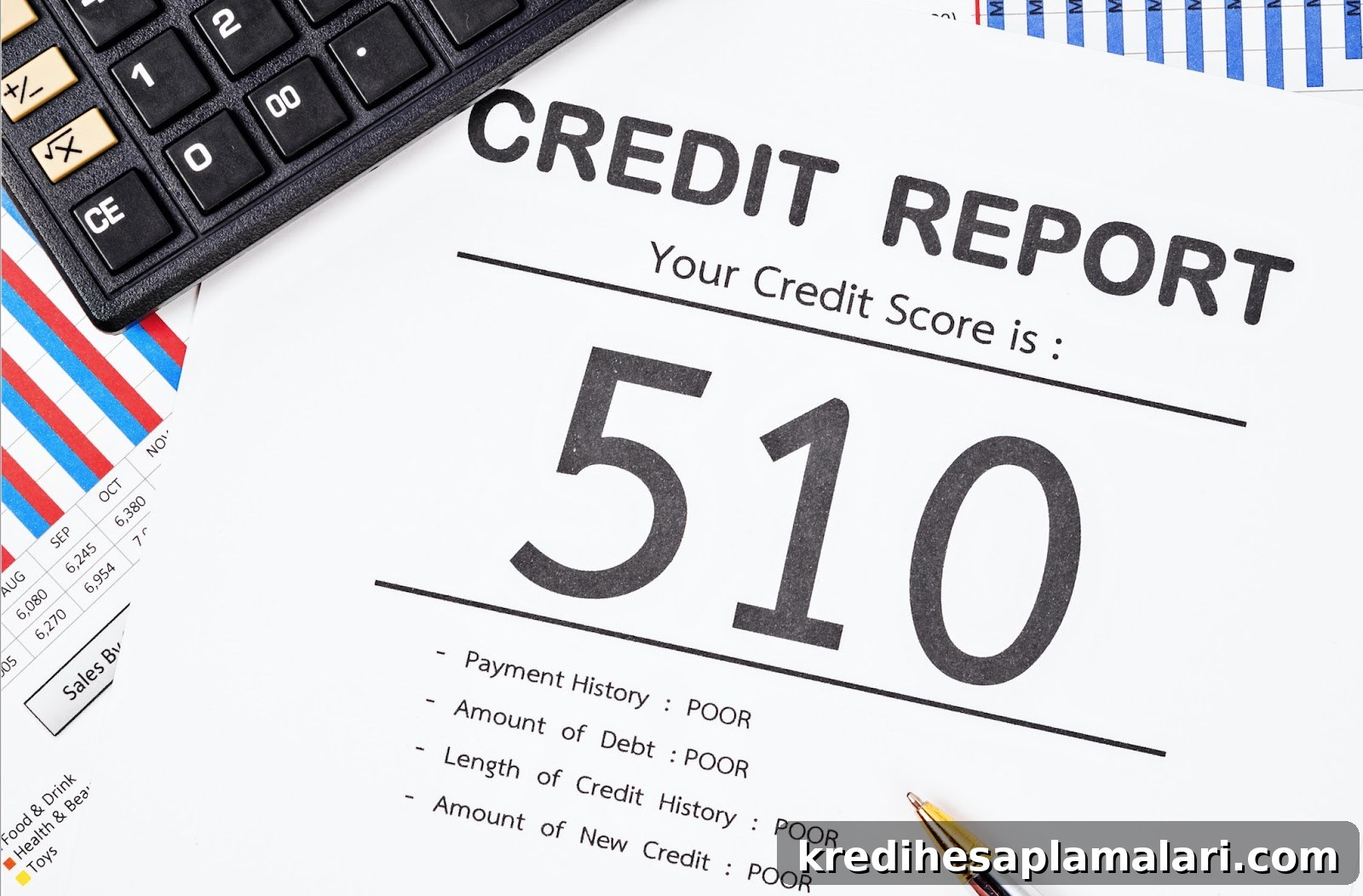
Imagine being able to borrow money without cumbersome paperwork to buy your dream car or house. The reality, however, is quite different. Getting a loan from a bank depends on several factors, chief among them being your credit score. A credit score reflects your financial reliability and helps lenders gauge the risk of lending to you. A high score makes it easier to secure loans at favorable rates, while a low score can lead to higher interest rates, elevated insurance premiums, and difficulty renting or buying property and vehicles. Below are seven practical ways to preserve your credit score and prevent it from declining.
#1 Avoid using more than half of your credit card limit
Credit utilization is the ratio of your outstanding balance to your credit limit. High utilization signals to lenders that you may be overextended and could struggle to repay, which can lower your credit score. Keeping utilization low—generally below 50%, and ideally under 30%—shows responsible borrowing. To manage utilization, ask your bank to increase your card limit, spread expenses across multiple cards, or pay down balances more frequently, such as twice a month, so your reported balances remain lower.
#2 Avoid late payments or defaulting on credit cards
Payment history strongly influences your credit score. Timely payments demonstrate that you meet your financial obligations and help maintain or improve your score. Missing payments or defaulting can make it harder to get loans or open accounts and will likely increase the interest you’re charged if you do qualify for credit. Set reminders, enable automatic payments where feasible, and respond promptly to notices from your creditors to avoid missed payments.
#3 Avoid carrying too many credit cards
Having multiple credit cards is common and can be useful, but managing several accounts requires attention. Missed due dates or overlooked balances on any card can harm your credit. Inactive cards can also affect your score, and frequently applying for new cards in a short period may be seen as risky by lenders. Keep the number of cards manageable, track due dates, and use each card occasionally to keep accounts active.
#4 Keep a sufficient gap between sanctioning two loans
Taking on multiple loans in close succession increases monthly obligations and financial stress. Where possible, maintain a gap—ideally at least 12 months—between the end of one loan and the start of another. This reduces the risk of overlapping EMIs (equated monthly installments), helps you manage finances more comfortably, and lowers the chance of missed payments that could damage your credit score.
#5 Diversify the types of credit you use
Credit can take many forms: credit cards, personal loans, auto loans, or overdrafts. Demonstrating that you can successfully manage different types of credit shows lenders you are a reliable borrower and can help build your credit profile. That said, regardless of the type of credit, the essential rule is to repay on time and keep balances under control.
#6 Maintain older accounts to lengthen your credit history
Closing long-standing accounts can shorten your credit history and reduce your credit score. Lenders prefer borrowers with a longer, consistent record of managing credit responsibly. Instead of frequently switching cards or closing old accounts, keep older accounts open and use them occasionally; that helps lengthen your credit history and provides a clearer picture of your repayment behavior.
#7 Check your credit report regularly to catch errors
Mistakes on your credit report—such as an incorrect late payment—can significantly lower your score. While errors are uncommon, they can happen and may take time to correct. Review your credit report periodically so you can spot inaccuracies early and dispute them promptly. Regular monitoring helps ensure your score reflects your true financial behavior.
With rising living costs and monthly salaries sometimes stretched thin, access to credit plays an important role in managing everyday expenses or financing major purchases. Building a strong credit profile takes time, consistent repayment, and careful planning. Some fintech services offer alternatives like salary advances, which assess additional factors beyond traditional credit scores. While these options can provide short-term relief, maintaining healthy credit habits is the most reliable way to secure favorable long-term borrowing terms.