Is Your Money Safe After the YES Bank Crisis?
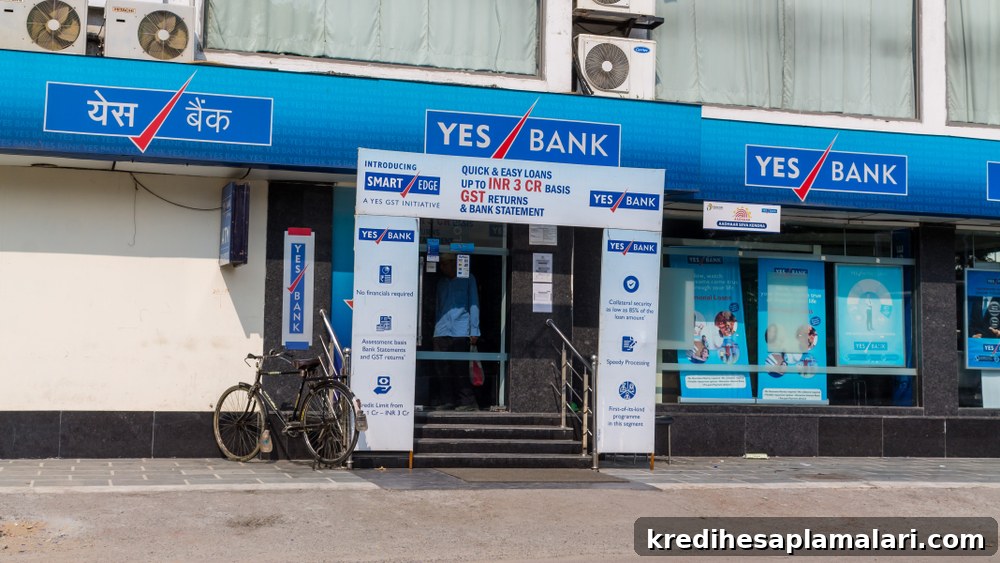
Recent events involving Yes Bank and the Government of India placing the bank under a moratorium have left many depositors anxious about the safety of their funds. Withdrawal limits of INR 50,000 (until April 6, 2020) were imposed for depositors of Yes Bank as authorities worked to contain the fallout from rising NPAs (Non-Performing Assets). The government stepped in to protect public funds and to stabilize the bank so it could recover from the crisis. In a separate post, we examined the broader condition of the credit sector as the country marked its 71st year.
So, is the money you keep in a bank safe? In short: yes. Here’s why.
Guaranteed by DICGC (Deposit Insurance and Credit Guarantee Corporation)
Deposits in banks—whether savings accounts or fixed deposits—are protected by the Deposit Insurance and Credit Guarantee Corporation (DICGC), a subsidiary of the Reserve Bank of India. Currently, deposits up to INR 1,00,000 per depositor, per bank are insured and will be repaid by the DICGC if a bank fails. As announced in the Union Budget 2020, this insured limit is scheduled to increase to INR 5,00,000 effective April 1. For most individuals, this cover will protect the bulk of their savings held in a single bank.
Subject to Government and RBI Regulations
Banks in India operate under supervision from the RBI and the government. Regulatory requirements—such as statutory reserves and provisioning—along with independent audits help maintain transparency and give regulators tools to detect problems early. When a bank faces severe distress, the RBI and government can intervene to protect depositors and stabilize the system. The Yes Bank case demonstrates such intervention: the RBI mandated board changes and facilitated capital infusion to safeguard depositors and restore confidence.
That said, banking carries risk like any other sector. Customers should understand those risks and take steps to reduce exposure. The regulatory safety nets are valuable, but they do not replace prudent personal risk management.
Diversify your Savings
Savings are a form of investment: they offer liquidity and modest returns in exchange for relatively low risk. Because of that trade-off, it makes sense to spread savings across multiple banks. Diversifying deposits helps ensure you are not overly exposed to limits, insurable caps, or temporary withdrawal restrictions at any single institution.
High Interest = High Risk
Some smaller banks advertise interest rates 1–2% above typical offerings. While attractive, these rates can indicate greater underlying risk. For funds you need to access easily and keep safe, prioritize stability and the bank’s track record rather than chasing slightly higher yields.
Pay Attention
Often, signs of stress appear in a bank’s financials well before a crisis occurs. Monitoring indicators such as rising NPAs, sustained losses, and adverse trends reported in financial statements can provide advance warning. Staying informed through financial disclosures and reputable news sources helps you assess a bank’s health and act if needed.
Remember: no financial institution is entirely without risk. Being aware of those risks and managing deposits wisely—diversifying holdings, avoiding reliance on unusually high rates, and monitoring a bank’s financial condition—will keep your money safer. In situations where withdrawal limits or temporary restrictions apply, short-term credit options from reputable lenders can be a fallback to cover urgent needs. Assess any borrowing option carefully, focusing on terms, interest, and repayment ability before committing.