Paying Advance EMI Online: Step-by-Step Guide for Faster Repayments
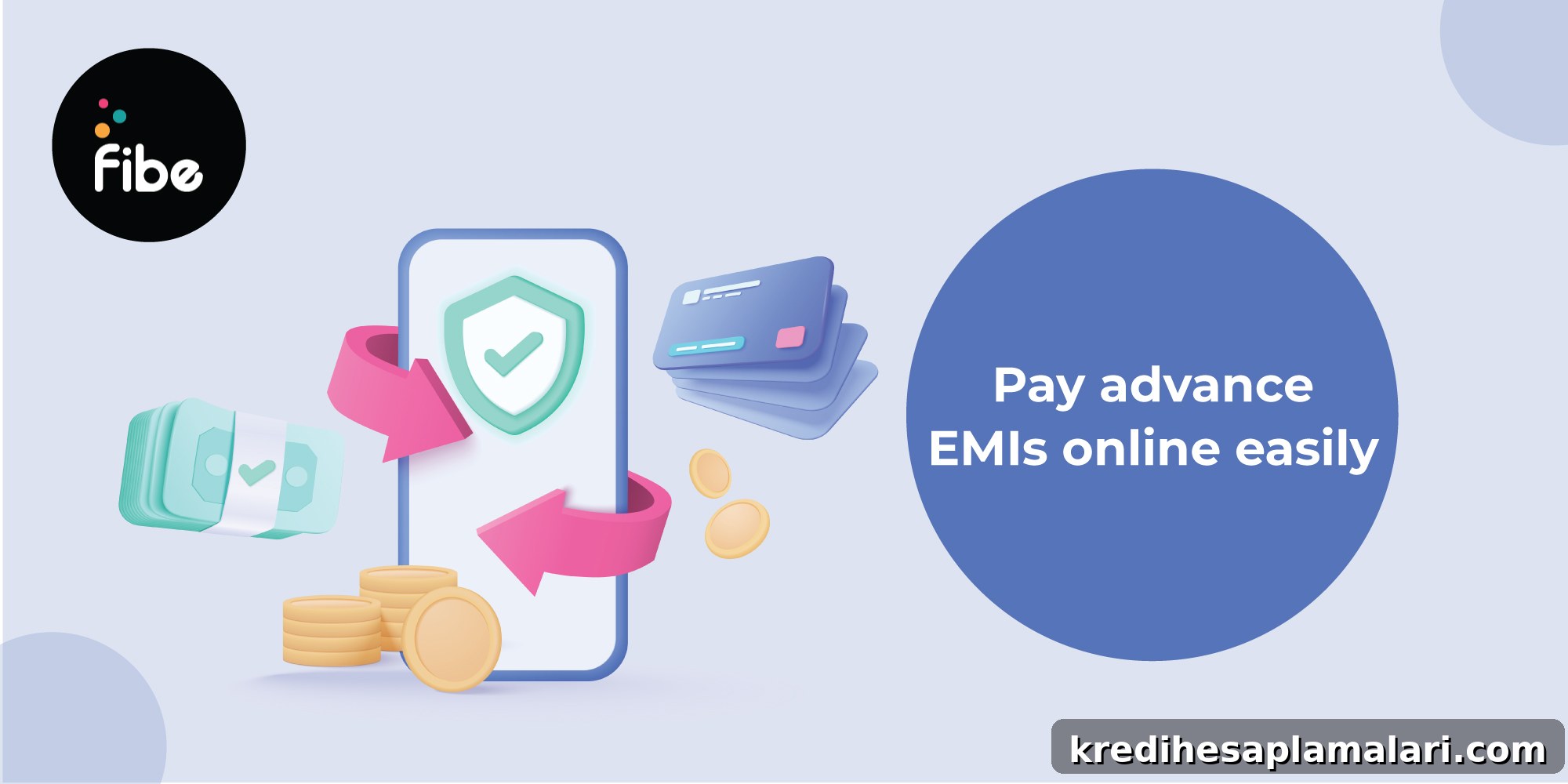
EMIs make loan repayments manageable by spreading the cost into monthly instalments. But if you have surplus funds, you might prefer to pay more than the scheduled amount or even close the loan early. That brings up a common question: “Can I pay EMIs in advance?” Many lenders do permit advance EMI payments or prepayments, often via online banking or mobile apps. Prepaying can be an effective way to reduce interest costs and shorten your loan tenor, helping you become debt-free sooner.
Before you proceed, however, be sure to check for prepayment or foreclosure charges, understand how the payment will affect your tenure and EMI amount, and confirm that it fits your overall financial plan.
What is an Advance EMI Payment?
An advance EMI payment is any payment you make before the scheduled due date or any additional amount paid over the regular instalment. When a lender issues a loan, the EMI amount and repayment schedule are fixed based on your loan amount, interest rate and tenure. Paying a scheduled EMI earlier than the due date, or paying an extra amount toward the principal, is treated as an advance payment. For example, if your monthly home loan EMI of ₹15,000 is due on the 5th but you pay it on the 3rd, that payment is considered an advance EMI.
Difference Between Advance and Arrear EMI Payment
Arrear EMIs are paid after the billing period—this is the standard arrangement where the lender disburses the loan amount and the borrower starts repaying from the next EMI date. Arrear payments are common when borrowers prefer to keep funds for other immediate needs at disbursement.
Advance EMI payments, in contrast, are either deducted before disbursement (in some loan products) or made ahead of the scheduled dates by the borrower. When lenders deduct the first EMI at the time of disbursement, your principal reduces immediately, lowering the interest charge and often reducing subsequent EMIs or tenure. The key distinction is timing: arrear EMIs begin after disbursement and are paid for past usage, while advance EMIs reduce the outstanding principal earlier.
To decide which suits you better, review the loan terms and how each option affects your overall interest and monthly cash flow.
Benefits of Paying EMI in Advance
Paying EMIs in advance can offer several advantages:
- Reduces your overall debt burden by lowering the outstanding principal.
- Can lower your monthly EMI or shorten your loan tenure, depending on the lender’s policy.
- Decreases the total interest payable over the life of the loan, leading to savings.
- Improves creditworthiness: consistent early payments reflect positively on your credit behaviour.
- Allows faster path to financial freedom by enabling earlier loan closure.
Things to Check Before Paying EMIs in Advance
Before making advance payments, verify the following points with your lender:
- Foreclosure and Prepayment Charges: Some lenders impose fees for part-prepayment or full pre-closure. Confirm these costs to determine if prepaying is cost-effective.
- Loan Type Rules: Prepayment policies can differ between fixed-rate and floating-rate loans. Clarify the rules that apply to your specific loan product.
- Interest Impact: Ask whether the lender applies the advance amount to reduce EMIs or simply shortens the loan tenure. The financial benefit may vary accordingly.
- EMI Cycle and Posting Time: Timing matters—payments made close to the billing or processing window may take longer to reflect.
- Updated Loan Statement: Ensure the lender issues an updated repayment schedule and balance after your advance payment.
- Written Confirmation: Obtain a receipt, updated statement, or no-objection certificate (NOC) to avoid future discrepancies.
- Financial Priorities: Don’t exhaust emergency savings or miss out on higher-return investments. Confirm that prepayment aligns with your broader financial goals.
Steps to Pay Your Loan EMI in Advance
Advance EMI payments are typically straightforward through online or mobile banking. The general process is:
- Step 1: Log in to your lender’s net banking or mobile banking portal.
- Step 2: Navigate to the loans or accounts section.
- Step 3: Select the relevant loan account.
- Step 4: Enter the amount you wish to pay (a regular EMI, an additional amount, or the full outstanding balance).
- Step 5: Choose a payment method and authorize the transaction.
- Step 6: Keep the confirmation or updated statement provided after the payment.
Exact steps may vary by lender, but following these guidelines will help you make an advance payment and reduce your outstanding liability.
FAQs on Advance EMI Payment
Is it okay to pay EMI before the due date?
Yes. Paying EMIs before the due date is generally beneficial. It demonstrates responsible repayment behaviour, can bolster your credit history and score, and reduces the risk of missed payments.
Is advance EMI payment good or bad for credit?
Advance EMI payments are usually positive for your credit profile. Making timely or early payments prevents missed instalments and shows lenders that you manage debt responsibly.
Can I pay all EMIs at once?
Yes. Paying the entire outstanding loan amount in one go is known as pre-closing or foreclosure. Contact your lender to obtain the final payout figure, which typically includes interest up to the payout date and any applicable charges. Confirm if prepayment penalties apply and request an NOC or closure statement after settlement.