How Your Debt-to-Income Ratio Affects Personal Loan Approval
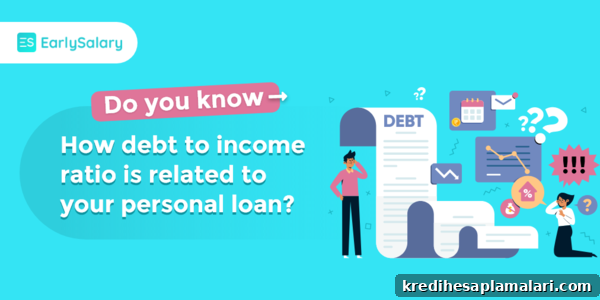
Highlight: With the growing popularity of personal loans, it’s essential to know how your debt–to–income ratio affects your personal loans.
The debt-to-income ratio (DTI) is a key metric lenders use when evaluating personal loan applications. It shows how much of your monthly gross income goes toward repaying existing debts and helps lenders determine your ability to meet new loan obligations.
Read on to learn how your DTI affects personal loan approval, what counts as debt, and practical steps to improve your ratio.
Also Read: 6 Expenses You Can Easily Finance with an *Instant Personal Loan*
Personal Loans and Their Benefits
Personal loans are typically unsecured, meaning you do not need to pledge collateral. They are popular because they are relatively easy to apply for and can be disbursed quickly. Key benefits include:
- Simple application processes compared with secured loans; lenders usually require only a few documents and offer faster approvals.
- Many institutions offer personal loans online with rapid disbursal—often within hours once approved.
- Flexible repayment tenures that let you choose monthly instalments based on your financial capacity.
Also Read: How to get an Instant Loan without documents
What is the Debt-to-Income Ratio?
DTI is a percentage that compares your monthly gross income (income before taxes and deductions) to your monthly debt obligations. It helps lenders understand how much of your income is already committed to debt repayment.
Debt components that are usually included when calculating DTI are:
- Monthly credit card minimums or payments
- Mortgage or rent payments
- Property taxes
- Homeowner association fees
- Installments on investment loans
- Car loan EMIs
- Insurance premiums tied to loans or long-term commitments
Expenses typically excluded from DTI calculations include:
- Utility bills
- Subscription services (streaming, media, etc.)
- Mobile phone contracts and routine household expenses
How is DTI Calculated and What is the Ideal DTI?
Calculating your DTI is straightforward: divide total monthly debt payments by your gross monthly income, then multiply by 100 to get a percentage.
Example: If your gross monthly income is ₹55,000 and your monthly debt payments total ₹20,000, then DTI = (20,000 / 55,000) × 100 = 36.36%.
Lenders generally prefer lower DTIs because they indicate a stronger ability to repay new credit. For many mortgage and loan products, lenders look for a DTI below 43%, while some prefer ratios below 36% for more favorable terms. A lower DTI often translates to better interest rates and improved approval odds.
There are two common DTI measures lenders use:
Front End DTI
Also called the housing ratio, this focuses on costs directly related to housing, such as mortgage principal and interest, property taxes, and homeowners insurance.
Back End DTI
This measures all recurring monthly debt obligations, including credit card payments, personal loans, auto loans, and student loans. Lenders often emphasize the back-end ratio when assessing overall repayment capacity, though some consider both.
How Does DTI Affect Personal Loans?
DTI is a major factor lenders use alongside credit score and income. It indicates the percentage of your income already committed to debt and signals your likelihood of taking on and repaying additional credit. A high DTI suggests greater risk of default or financial stress, which can lead lenders to decline the application or offer credit at higher interest rates.
Tips to Improve Your DTI
Monitor your DTI regularly, especially before applying for new credit or after a change in income. If your DTI is higher than you’d like, consider these strategies:
- Pay down existing loans where possible instead of taking on new credit.
- Increase monthly EMI payments to clear debts faster—this may temporarily raise DTI but lowers it over time as balances fall.
- Avoid taking additional loans until your DTI falls into an acceptable range (commonly below 43%).
- Consider restructuring or consolidating loans to lower overall monthly payments or simplify obligations, but weigh long-term costs and interest rates.
Choosing lower-cost loans with manageable EMIs also helps keep your DTI in check. If you need a personal loan, evaluate offers carefully to avoid products that worsen your DTI or carry high interest costs.
For quick access to funds, many lenders now offer simple online applications and instant disbursal options. Use such services judiciously and only when the loan aligns with your repayment capacity.
FAQs on How Debt-to-Income Ratio Influences Personal Loans
Can I get a personal loan with a high debt-to-income ratio?
Some lenders may extend credit to applicants with high DTI, but they often charge higher interest rates or impose stricter terms to offset the increased risk. It’s usually better to lower your DTI before applying.
What is a good debt-to-income ratio?
Many lenders view a DTI of 43% or lower as acceptable, while more conservative lenders prefer a ratio below 36% for stronger loan terms.
Is a 50% debt-to-income ratio good?
No. A 50% DTI is generally considered high; most lenders prefer a ratio below 43% and may be reluctant to approve new credit at that level.