What Is MPIN? How to Generate, Retrieve, and Set Up Your MPIN
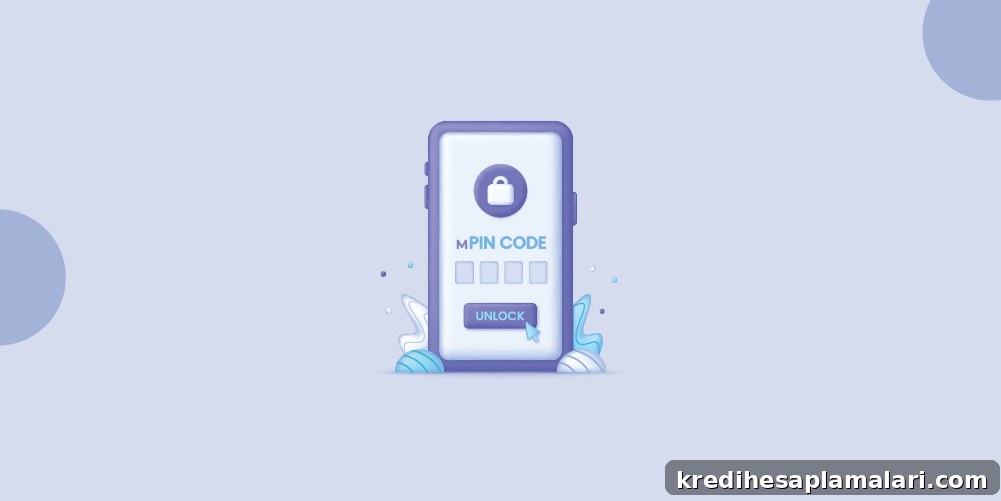
An mPIN, or Mobile Personal Identification Number, is a short 4- or 6-digit code used to verify your identity and secure digital payments. It functions like an ATM PIN for your phone, allowing you to confirm transactions without repeatedly entering full bank details.
As UPI and mobile banking become the norm, protecting transactions is essential. An mPIN provides that protection. You can generate it easily through your bank’s net banking portal, a UPI app, ATM, USSD service or by visiting your branch.
Read on to learn what an mPIN is, how it works, and why it is important for secure digital transactions.
MPIN Full Form & Meaning
mPIN stands for Mobile Personal Identification Number. It is a 4- or 6-digit numeric code used to confirm your identity for mobile banking and payments. Before completing a payment or transaction, you enter this code so only the authorised user can proceed.
An mPIN streamlines mobile banking by removing the need to recall full account numbers or other details. It verifies transactions quickly and reduces the risk of fraud by acting as a secure second factor for authentication.
Key Uses of mPIN
An mPIN protects a wide range of digital transactions, from banking transfers to everyday payments. It is commonly used in:
- Mobile Banking: Authorising payments and transfers in bank apps such as SBI YONO, iMobile or HDFC MobileBanking.
- UPI Transactions: Approving instant transfers through UPI apps like Google Pay and PhonePe.
- Online Shopping: Confirming purchases when paying from linked bank accounts or wallets.
- Bill Payments: Authorising electricity, mobile, DTH and broadband payments via banking or wallet apps.
- IMPS, NEFT, RTGS: Verifying identity for online fund transfers using IMPS, NEFT and RTGS.
- IVR Banking: Confirming user identity for phone-based banking services.
Why mPIN is Critical for Security
An mPIN protects your account from unauthorised access and helps prevent fraud. It serves as an additional authentication layer alongside other security measures, ensuring your banking details and transactions remain private even if someone else has access to your device.
How to Set a New mPIN
Setting or resetting an mPIN is straightforward and can be done through several channels depending on your bank or service provider.
| Method | Steps |
|---|---|
| Net Banking | Log in, go to Mobile Banking, choose Setup mPIN, verify with OTP and set your new code. |
| UPI Apps | Open the app, go to Settings, choose Set mPIN and enter your chosen 4- or 6-digit PIN. |
| ATM Card | Use the ATM, select Forgot mPIN, verify with OTP and create a new mPIN. |
| USSD Code | Dial *99#, select Generate mPIN, provide required card details and confirm your PIN. |
| Bank Branch | Visit your branch, fill out the mPIN request form and a staff member will assist you. |
Detailed steps by method:
1. Generate mPIN Using Net Banking
- Log in to your bank’s online portal or app using your credentials.
- Navigate to Mobile Banking and select “Setup mPIN.”
- Verify your registered mobile number using the OTP sent by the bank.
- Choose a 4- or 6-digit mPIN and confirm it.
- You will receive a confirmation message once the mPIN is set.
2. Generate mPIN Using UPI Apps
- Open your UPI app and sign in with your bank-linked account.
- Go to Settings or My Profile and select Set mPIN.
- Follow on-screen instructions, which may vary by bank, and enter your new mPIN to confirm.
3. Set mPIN Using an ATM Card
- Insert your ATM card at a machine and enter your card PIN if required.
- Select the option for Forgot mPIN or Generate mPIN.
- Verify identity with an OTP sent to your registered mobile number.
- Enter and confirm your new mPIN.
4. Set mPIN Using USSD Code
- Dial *99# from your mobile phone.
- Select Generate mPIN from the menu.
- Provide the last six digits of your card and its expiry date when prompted.
- Enter and confirm your preferred mPIN.
5. Generate mPIN at a Bank Branch
- Visit your bank branch and request an mPIN setup form.
- A bank representative will help you complete the process and set the mPIN.
How to Change Your mPIN
Regularly changing your mPIN improves security. To change it:
- Log in to your mobile banking app or UPI app using your current mPIN.
- Go to Settings or More and select Change mPIN.
- Enter your old mPIN, choose a new one, and confirm.
- Verify the change using an OTP sent to your registered mobile number.
Once completed, your new mPIN will be active immediately.
Importance of mPIN in UPI
Your mPIN is essential for everyday UPI payments. It is required for most digital transactions, including grocery orders, utility payments, ticket bookings and splitting bills with friends. Each time you enter your mPIN, the app verifies your identity and authorises the payment securely and quickly.
Conclusion
An mPIN simplifies and secures mobile banking and digital payments. It acts as a convenient second factor of authentication that safeguards your transactions. Regularly updating your mPIN and keeping it confidential will help maintain the security of your online payments.
FAQs on mPIN Number
How frequently should I change my mPIN?
Changing your mPIN every 3 to 6 months is a good practice to enhance security.
I forgot my mPIN. Can I restore my old mPIN?
No, you cannot recover an old mPIN. You can reset it using any of the methods described above.
Can I get an OTP for mPIN generation on any mobile number?
No, the OTP for mPIN creation is only sent to the mobile number registered with your bank account.