MMID in Banking: Meaning, Purpose, and How to Access It
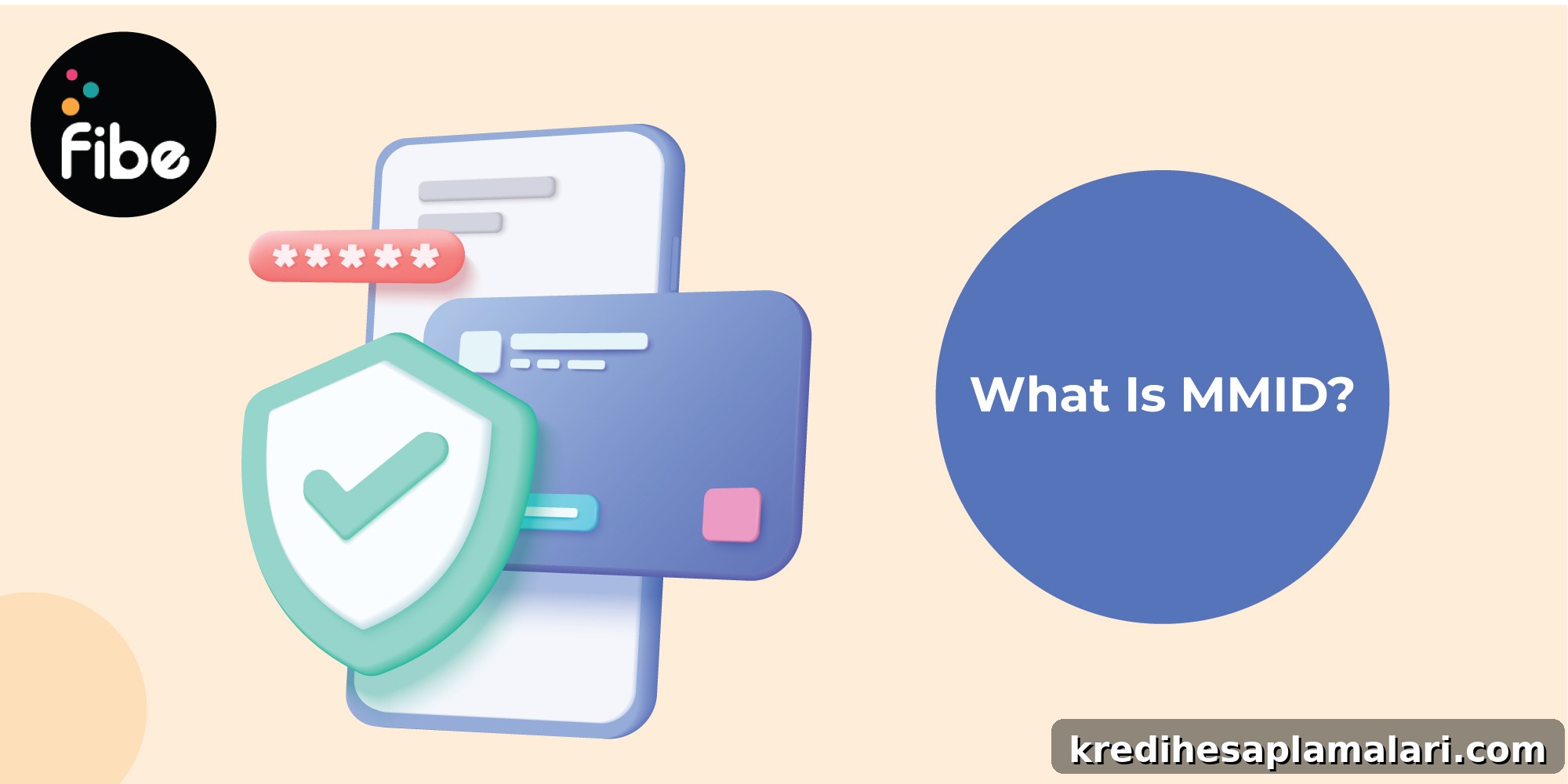
If you want to send money without sharing your bank account number, MMID offers a secure and convenient solution. MMID stands for Mobile Money Identifier. It is a unique seven-digit code linked to a specific mobile number and bank account that enables instant IMPS transfers without requiring the beneficiary’s account number or IFSC code.
MMID is part of the Immediate Payment Service (IMPS) infrastructure managed by the National Payments Corporation of India (NPCI). In short, MMID makes real-time mobile transactions simple and safe, especially for person-to-person transfers, bill payments and small purchases.
Below you will find clear information about what MMID is, how many digits it contains, how to find or generate your MMID, the steps to transfer funds using MMID, benefits, and important points to remember.
What is MMID Number?
A Mobile Money Identifier (MMID) is a seven-digit code needed to complete IMPS transfers. Each code is unique and linked to a mobile number that is registered with the bank. Using MMID, you can perform instant fund transfers, pay bills and shop online or offline without sharing detailed bank account information.
By using MMID, you avoid sharing the payee’s bank details such as:
- Account number
- Branch name
- IFSC code
How to Find Your MMID Number?
Many banks generate an MMID automatically when you activate mobile banking, so first check if one already exists. To find your MMID:
- Open your bank’s mobile app or log in to net banking
- Go to the mobile services or IMPS section
- Look for an option to view or retrieve your MMID
- Follow the on-screen instructions
Your MMID will be displayed on the screen or sent to your registered mobile number. If no MMID is present, you will be directed to generate one.
How to Generate MMID?
You can generate an MMID quickly using mobile banking, net banking, or by contacting customer care. All three methods are straightforward:
- Mobile Banking: Use your bank’s mobile app to log in and generate MMID instantly.
- Net Banking: Log in to your bank’s website and request an MMID from the services menu.
- Customer Care: Call from your registered mobile number and request an MMID if you do not have internet access.
Via Mobile Banking
To generate your MMID using the mobile app:
- Step 1: Log in to the bank’s mobile banking app
- Step 2: Navigate to the Accounts or Services section
- Step 3: Select the Generate MMID option
- Step 4: Enter any required details and confirm
Via Net Banking
To create an MMID through net banking:
- Step 1: Visit your bank’s net banking portal
- Step 2: Log in with your credentials
- Step 3: Find the IMPS or mobile services section on the main page
- Step 4: Select Generate MMID
- Step 5: Enter the required details and verify
Through Customer Care
If you prefer to request MMID by phone:
- Step 1: Call the bank’s customer service number from your registered mobile
- Step 2: Choose your preferred language and follow prompts
- Step 3: Request the MMID generation service and provide requested details
- Step 4: Confirm identity as instructed
Once generated, the MMID will be sent to the registered mobile number. Note that calls must be made from the number registered with the bank.
Advantages of Mobile Money Identifier (MMID)
MMID offers several practical benefits:
- Simplifies digital fund transfers by removing the need to share full bank details
- Supports interbank payments across participating banks
- Enables real-time transfers via IMPS, available 24/7
- Reduces fraud risk by avoiding exposure of account numbers during transfers
- Adds convenience to everyday fund transfers, especially for quick person-to-person payments
How to Use MMID for Funds Transfer?
To send money using MMID, follow these typical mobile banking steps:
- Step 1: Log in to your mobile banking app
- Step 2: Go to the Fund Transfer section
- Step 3: Choose the IMPS transfer option
- Step 4: Enter the beneficiary’s mobile number and their MMID
- Step 5: Enter the transfer amount
- Step 6: Confirm the transaction
- Step 7: Verify the payment using OTP or MPIN
After verification, both sender and recipient typically receive SMS notifications confirming the transaction.
Key Points to Remember When Using MMID
Keep these important facts in mind when using MMID:
- Both sender and recipient must be registered for mobile banking and have an MMID
- Confirm IMPS charges and limits with your bank before initiating transfers
- SMS services should be enabled on the registered mobile number for notifications and verification
- The maximum daily IMPS limit may vary by bank; many banks set a daily cap up to ₹5,00,000
MMID enables quick, branch-free IMPS transfers directly from your mobile banking app, making it a useful option for both planned and urgent payments. Use the MMID method to keep transfers secure and private without exposing your account number.
FAQs on MMID
How do I find my MMID number?
You can find your MMID through your bank’s mobile app, net banking portal, or by contacting customer support from your registered mobile number.
Is MMID and IFSC code the same?
No. MMID is a seven-digit code used for IMPS transfers linked to a mobile number, while IFSC is an alphanumeric code that identifies a specific bank branch for NEFT/RTGS and other transfers. MMID is an alternative that removes the need to share account and IFSC details for IMPS transactions.
What is a 7-digit MMID code?
An MMID is a unique seven-digit identifier that authorizes immediate fund transfers via IMPS using a registered mobile number.
How do I transfer money using MMID?
Initiate an IMPS transfer in your mobile banking app, enter the beneficiary’s registered mobile number and their MMID, specify the amount and complete the transaction by verifying with OTP or MPIN.