Cheque vs Demand Draft: Key Differences and How to Spot Them
There are several ways to make payments in India, including cash, cards and bank transfers. Paper-based instruments such as cheques and demand drafts (DDs) remain in use for many transactions. Each serves a distinct purpose and functions differently, so understanding their differences helps you choose the right option for a given situation.
Read on to learn what a cheque and a demand draft are, how they differ, their common types and when to use each.
What Is a Cheque?
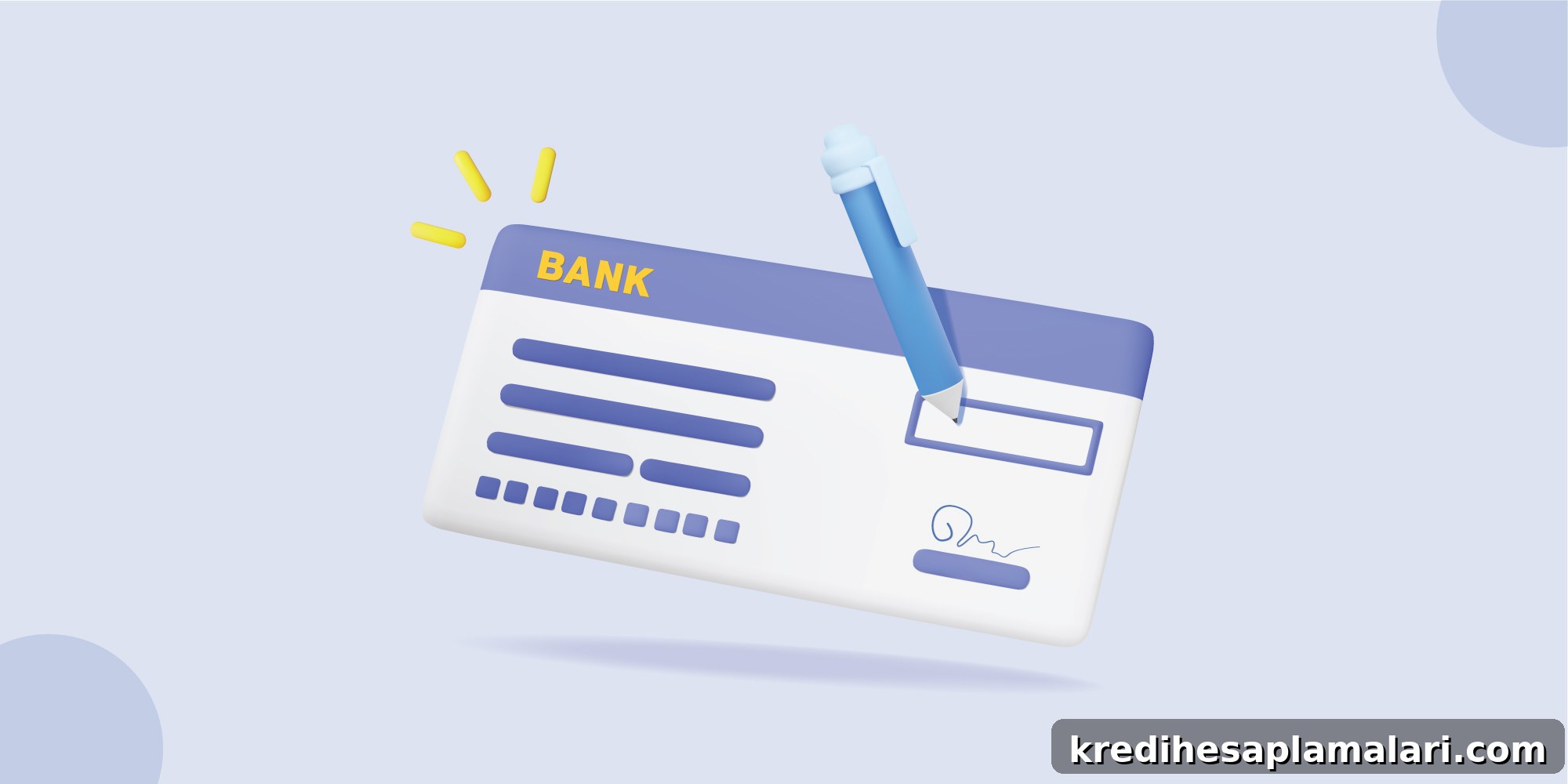
A cheque is a written instruction from an account holder directing their bank to pay a specified sum to a person or organisation. The bank processes the payment when the account has sufficient funds and the cheque is properly signed. Cheques are commonly used to pay bills, transfer money between parties and settle purchases.
Types of Cheques
Cheques come in several forms, each suited to different needs:
- Bearer cheque: Payable to whoever presents the cheque at the bank; no identification required.
- Order cheque: Payable only to the named payee, who must present identification to encash it.
- Crossed cheque: Cannot be cashed over the counter and must be deposited into the payee’s bank account.
- Post-dated cheque: Dated for the future and can only be presented on or after that date.
Choose the type that matches your transaction requirements and desired level of security.
What Is a Demand Draft?
A demand draft (DD) is a prepaid, bank-issued instrument. You hand over the payment amount to the bank in advance, and the bank issues a draft payable to a specified person or institution. Since the funds are collected upfront by the bank, demand drafts are considered more secure and are commonly used for high-value or formal payments such as admissions, government fees and tender deposits.
Types of Demand Drafts
Common types of demand drafts include:
- Sight draft: Payment is made after the bank checks and approves the required documents.
- Time draft: Payment is scheduled for a specified future date and can be claimed only after that date.
When guaranteed payment is needed, a DD is a reliable choice.
Cheque vs Demand Draft
Key differences between cheques and demand drafts affect their suitability for different situations:
| Feature | Cheque | Demand Draft |
|---|---|---|
| Issued by | Account holder | Bank |
| Account balance required | Requires sufficient balance in the issuer’s account | No balance required at the time of payment since funds are paid upfront |
| Risk of failure | Can bounce if funds are insufficient | Prepaid, so no risk of bouncing |
| Cancellation | Can be stopped or cancelled by the issuer before it is processed | Generally cannot be cancelled once issued and processed by the bank |
| Issuance fee | Often free with an account | Banks charge a fee for issuing a DD |
| Where it can be presented | Deposited or encashed at the payee’s bank branch | Can be collected or deposited at any branch of the issuing bank |
| Security | Higher risk if lost or stolen | More secure as the bank holds the funds and issues the instrument |
Because of these differences, cheques are typically used for routine transactions while demand drafts are preferred for formal, high-value or guaranteed payments.
When to Use a Cheque or a Demand Draft
Knowing the distinguishing features helps decide when each instrument is appropriate.
Use a cheque when:
- You are paying someone you know and trust.
- The amount is moderate and not time-critical.
- You may need the option to stop or cancel payment before it is honoured.
Use a demand draft when:
- The recipient requires guaranteed payment.
- You are paying an institution or making a formal deposit.
- You want to avoid the risk of insufficient funds causing a failed payment.
Understanding the difference between a demand draft and a cheque helps you choose the safest and most convenient payment method for each transaction.
FAQs on Cheque vs Demand Draft
Can you use both cheques and demand drafts for payments?
Yes. Both instruments are valid for payments. Cheques are suited for everyday transactions, while demand drafts are used when a secure or guaranteed payment is required.
Which instrument offers more security, a cheque or a demand draft?
Demand drafts are generally more secure because the funds are collected by the bank in advance. Cheques can bounce if the issuer’s account lacks sufficient balance.
Do cheques and demand drafts need clearing time?
Both require clearing time. Cheque clearance depends on the banks and the cheque’s route. Demand drafts typically clear faster since the issuing bank already holds the funds.
Can you get a demand draft without a chequebook?
Yes. A demand draft can be issued against cash or a direct debit from your bank account; a chequebook is not necessary to obtain a DD.