Returning to Work After COVID-19: Practical Steps for a Safe Return
Compiled By: Sandeep Raghunath
About Sandeep: He is the Head of Human Resources at Fibe, with more than 10 years of international HR experience across multiple industries.
Do you remember the rush on crowded metros during office hours, the team meetings for corporate projects, and those long days at the workplace? Those routines feel like a different era now. The COVID-19 pandemic has changed how we live and work. Social interactions that were once central to professional life have been largely replaced by staying home as the safer choice.
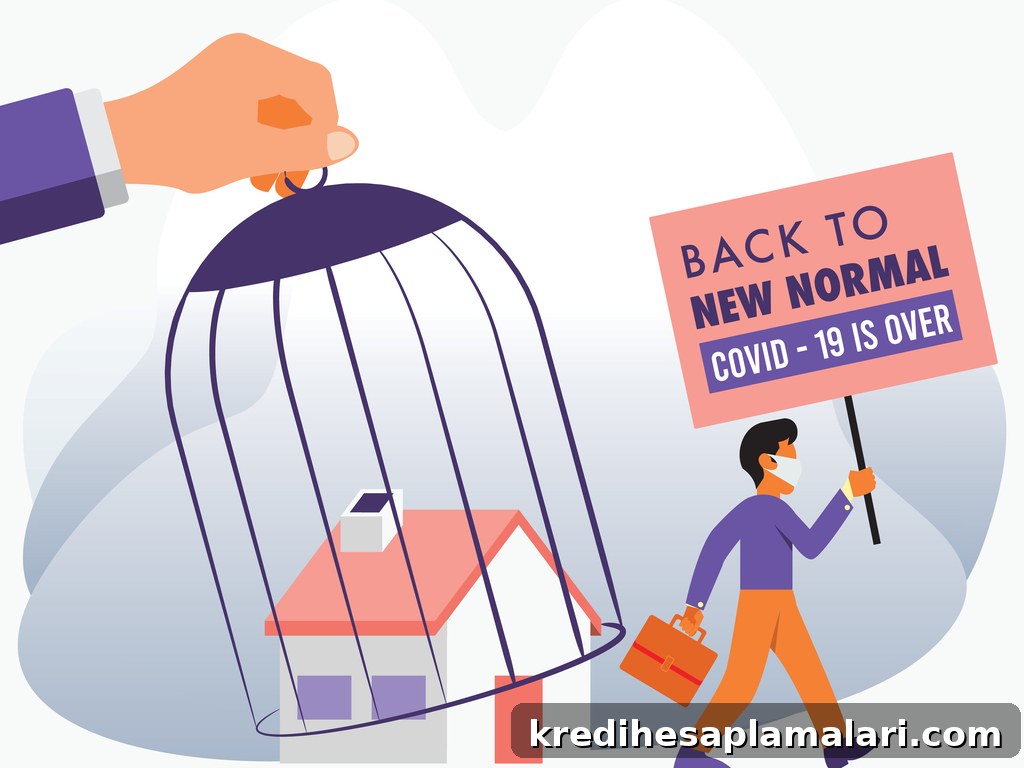
Eventually, the pandemic will subside, though not overnight. Returning to a pre-pandemic routine will take time, and many countries such as China and South Korea are already carefully beginning to restore normal activities. A central question for employers and employees alike is what the “new normal” will look like once the crisis eases. For now, much of the Indian workforce continues to work from home.
Reopening and maintaining workplaces post-pandemic will be a significant challenge. To keep operations running while minimizing health risks, many organizations have adopted new approaches. Offices, production lines, retail stores and other workplaces that were once bustling are now rethinking procedures and layouts.
What workplace changes might follow COVID-19?
According to industry observers, several changes are likely to shape the workplace going forward:
- General shifts in behavior
When offices reopen, people may prefer solitude or smaller groups over large gatherings. Standard protocols will shift: tasks once performed face-to-face will be scrutinized, and organizations will ask whether in-person interaction is truly necessary.
- Screening at office entry points
Many organizations will implement basic health checks for anyone entering a facility. Temperature screening for employees and visitors at the gate is likely to become standard. Workspaces may be reconfigured to increase distance between desks, and seating plans may leave gaps to reduce close contact.
- Work-from-home culture
The pandemic accelerated a shift that years of digital transformation had only partially achieved: large-scale remote work. For many companies and employees, working from home has proven viable and attractive. As a result, remote or hybrid models are likely to remain popular, including in industries that previously resisted virtual teams. These models offer greater flexibility and can cut costs such as office rent and other overheads.
- Replacing traditional productivity metrics
The old notion that arriving first and leaving last equaled productivity is fading. In a post-pandemic world, performance is more likely to be measured by outcomes and deliverables within a defined time frame rather than hours spent at a desk.
- Customer and stakeholder interactions
One of the biggest changes will be how organizations engage with customers and stakeholders. Routine face-to-face meetings have already been supplanted by video calls and virtual briefings, and this trend may persist. Companies will need to redesign customer-facing processes to balance digital convenience with the personal touch where it matters most.
- Training in online communication
Organizations will invest in preparing teams for the new normal. Training modules on remote work, virtual management, and effective online communication will become more common. Finding the right balance between in-person and virtual meetings will be essential to maintain relationships and productivity.
To sum up
Are organizations ready for a transformed working environment? Few have faced disruptions of this scale. While many companies maintain continuity plans for fires, earthquakes or floods, relatively few were prepared for the widespread and prolonged impact of a pandemic. As a result, hiring freezes and layoffs have affected some sectors.
How workplaces evolve once the pandemic is fully behind us remains uncertain. However, it is reasonable to expect that the future of work will include much more remote and flexible arrangements. Companies that adapt by redesigning processes, updating policies and investing in employee training will be better positioned for the post-pandemic landscape.
Download the instant loan app here, and be part of the #OneInAMillion experience.