Virtual Credit Cards: Features, Benefits, and How to Use Them
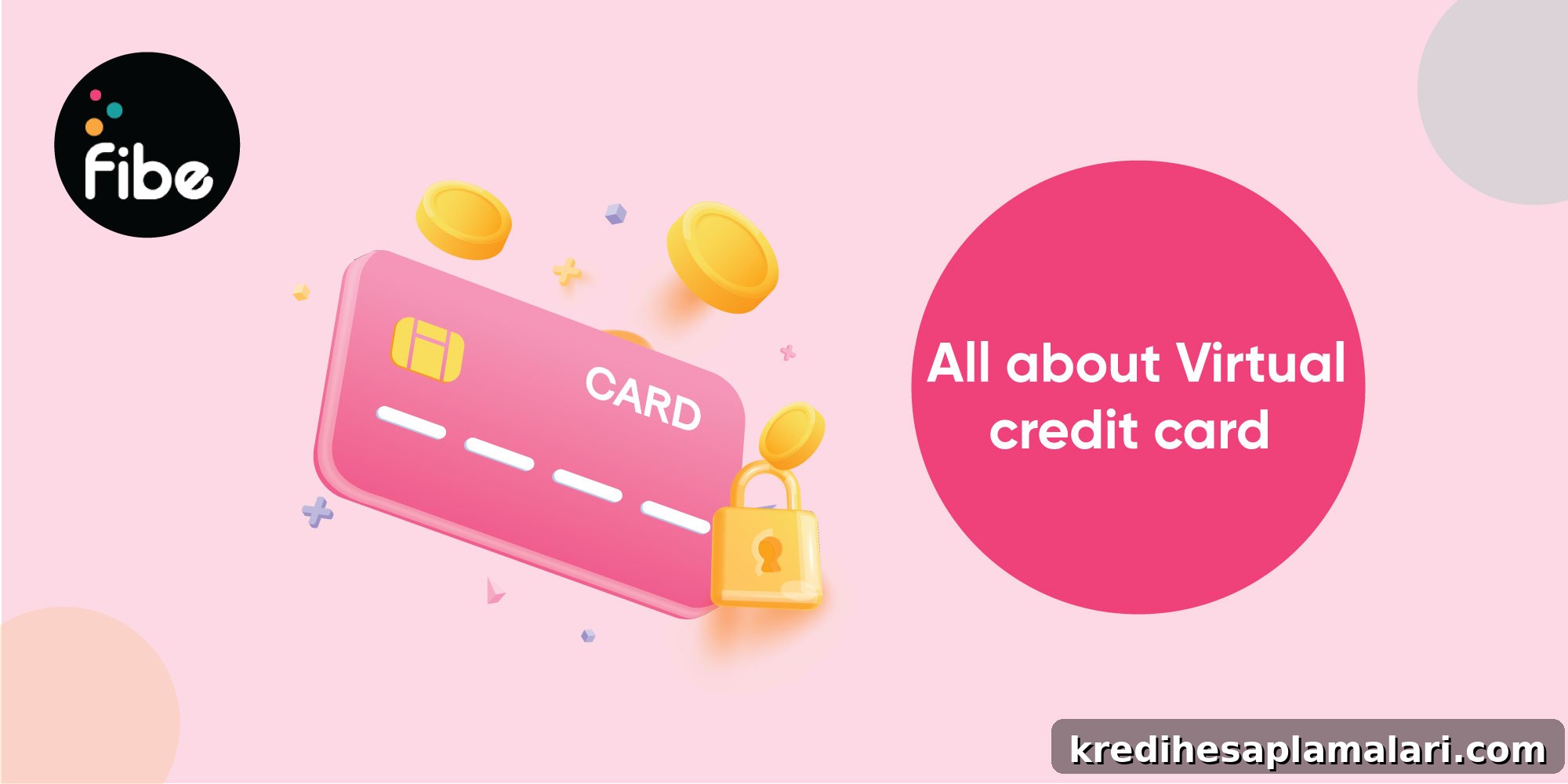
Virtual credit cards (VCCs) are digital versions of your physical credit card that issuers provide on request to protect your card information during online transactions. With the rise in online fraud, phishing and fake e-commerce sites, VCCs reduce the risk of exposing your primary card details.
When you create a virtual credit card, your issuer generates temporary card credentials that mirror a physical card. These typically include:
- Card number
- Expiry date
- CVV
Because these credentials are distinct from your main card and often time-limited, they limit exposure if a merchant or site is compromised. Below is an overview of features, advantages, considerations and how to apply for a VCC.
Features of a Virtual Credit Card
Virtual credit cards available in India offer several practical features that make them a secure and convenient option for online payments:
- High security: VCCs use alternative card details valid for a short period, reducing the chance of your primary card data being stolen or misused.
- Predefined limits: Issuers typically set a spending limit for the virtual card. The card data is often valid for a limited window—commonly up to 48 hours—so you can control exposure and spending.
- Instant protection: You can generate a virtual card immediately before an online purchase. If you notice suspicious activity, you can block or cancel the VCC instantly without affecting your primary card.
- No extra charges: Many issuers provide virtual cards at no additional cost, making them a cost-effective security feature.
- Transaction tracking: All VCC transactions appear on your credit card statement, making it simple to monitor spending and reconcile payments.
Benefits of Using a Virtual Credit Card
Considering these features, virtual credit cards provide several clear benefits:
- Quick and easy to apply for through your card issuer’s app or website
- Immediate protection against online fraud
- No additional fees in many cases
- Unused credit typically returns to the main card after the VCC expires
- Can be used for both domestic and international online transactions
Precautions to Take Before Getting a Virtual Credit Card
While VCCs are useful, there are limitations to consider before generating one:
- Only the primary cardholder can request a VCC; add-on cardholders usually cannot
- You must hold a physical credit card with the issuer to create a VCC
- VCCs are for online use only and cannot be swiped or used at physical point-of-sale terminals
- They have limited validity and a restricted number of uses
- You cannot withdraw cash using a VCC’s limit
- Refunds to an expired VCC can be more complex and may require coordination with the merchant and issuer
How to Apply for a Virtual Credit Card
Generating a virtual credit card is straightforward. Typical steps are:
Step 1: Log in to your credit card issuer’s website or mobile app
Step 2: Navigate to the virtual credit card option
Step 3: Provide the relevant credit card details and requested information
Step 4: Enter the OTP sent to your registered mobile number to authenticate the request
Step 5: Receive instant approval and the VCC credentials
Step 6: Complete any KYC requirements if prompted
Following these steps lets you generate a VCC quickly and secure online payments. Some issuers also offer numberless or fully virtual cards that hide all printed digits for additional privacy. These cards may offer extra benefits such as cashback, UPI linkage or a lifetime-free fee depending on the issuer’s product terms.
FAQs on Virtual Credit Cards
What is a virtual card and how does it work?
A virtual card is an add-on facility linked to your existing physical credit card. The issuer provides temporary card details that you use for online payments. These alternate details reduce the risk of exposing your primary card number to merchants or fraudulent sites.
Are virtual credit cards a good idea?
Yes—virtual credit cards are a practical tool for enhancing security during online transactions. They help prevent fraud and limit potential losses if card details are compromised.
What is the difference between a virtual credit card and a physical credit card?
Your regular credit card can be used for both online and in-person transactions. A virtual credit card is intended only for digital purchases, typically has a preset spending limit and expires after a short period. It’s designed specifically to reduce exposure of your main card details.