Why Employee Psychology Matters at Work: Boost Engagement & Performance
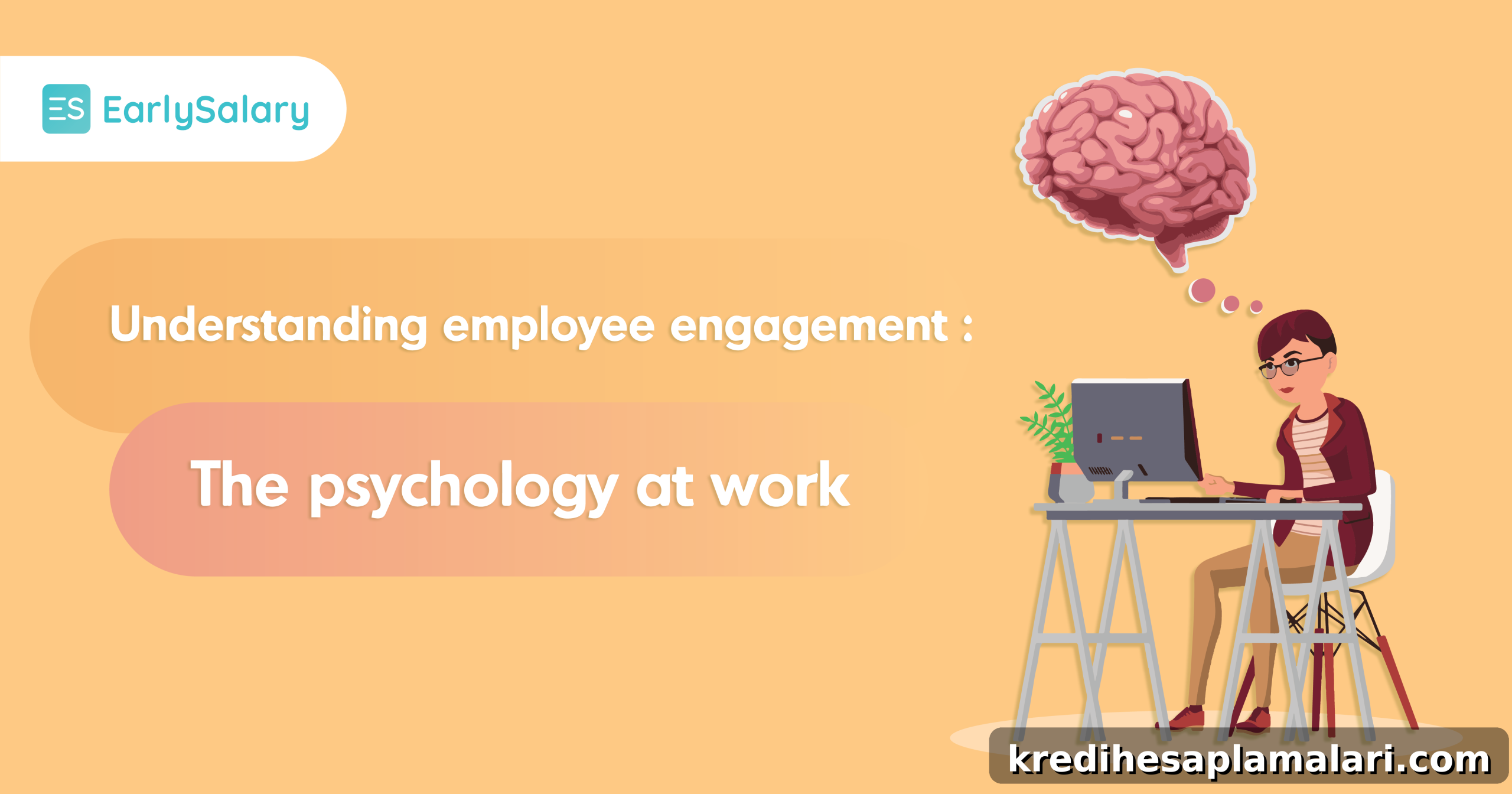
Highlight: Employee engagement is defined as “an individual employee’s cognitive, emotional, and behavioral state directed toward desirable organisational objectives.”
Employee performance is a critical driver of overall organisational success, especially in high-performing companies. Managing performance requires deliberate attention to engagement, because engaged employees typically deliver higher productivity, better quality work, and sustained commitment. HR teams can use a range of engagement strategies—surveys, targeted programs, and practical measures—to improve well-being and motivate staff to contribute their best every day.
Effective employee engagement means individuals are aligned with the company’s vision, goals, and values, and feel motivated to help the organisation succeed. Definitions of engagement vary between organisations depending on workforce needs and culture. Dell Inc. captures the idea succinctly: to succeed today, companies must win both the MINDS (rational commitment) and the HEARTS (emotional commitment) of employees to inspire extraordinary effort.
Psychological aspects
Employee engagement is rooted in work psychology. The commonly used definition describes it as an employee’s cognitive, emotional, and behavioral state directed toward organisational goals. Early ideas such as Argyris’s “psychological contract” highlight how employees form expectations about what the employer will provide in return for their effort. When employees believe promises are kept, commitment and retention improve.
William Kahn’s research explored how people occupy or withdraw from work roles, using the terms “personal engagement” and “personal disengagement.” At one extreme, employees invest themselves physically, mentally, and emotionally in their roles; at the other, they withdraw and disconnect. Organisations can reduce disengagement by addressing the psychological factors that shape how employees experience their work.
Key drivers of engagement include social cohesion, supportive supervision, clear information sharing, aligned goals and vision, open communication, and trust. When these elements are present, employees feel more connected and capable of performing at their best.
Benefits to employees and organisations
- Individual goals and objectives are aligned with organisational priorities
- Employees trust leaders to set the right direction
- There is confidence in the organisation’s future success
- Employees receive adequate support and resources to meet their objectives
- Stronger relationships, more positive attitudes, and higher job satisfaction follow
- Employees believe in the purpose of their work and the organisation’s mission
How does an engaged workforce affect the company?
Research and practical experience show that engagement influences retention, productivity, and work quality. A 2017 Dale Carnegie study found only a minority of executives view engagement as a top daily priority, highlighting a gap between recognition of its importance and consistent action.
Low engagement can stem from lack of recognition, poor communication, and misalignment with organisational purpose. For leaders, treating engagement as a strategic objective is essential: engaged employees support long-term retention, higher productivity, and improved performance.
HR functions should lead in designing, measuring, and evaluating policies and practices that attract and keep talent with the skills needed for growth. Employee-facing practices—job and task design, recruitment, selection, training, compensation, performance management, and career development—initiate the engagement process and shape both engagement and performance. When combined, performance and engagement drive measurable business outcomes.
Investing in HR strategies to engage employees is an investment in future performance. Like any investment, organisations should evaluate which practices will yield the best returns and align those investments with strategic priorities.
Employee Engagement: The TLDR Version
To summarise
- Employee engagement is about being psychologically present and committed to the tasks, relationships, and situations that make work meaningful and productive.
- Engaged employees show passion, go the extra mile, and consistently bring creativity and dedication to their roles.
Engagement and commitment can translate into significant business benefits. Common HR processes—recruitment, onboarding, training, performance management, and employee feedback—are powerful levers for engagement. There is no single right approach: organisations should define engagement in a way that fits their vision, strategy, and workforce, then select practices that best support that definition.
Frequently Asked Questions
What is employee engagement meaning?
Employee engagement describes how committed and proactive employees are in helping the organisation achieve its mission and goals.
What is the aim of employee engagement?
The main aim of employee engagement is to boost productivity and create a positive work environment, ensuring employees perform in alignment with the company’s vision while bringing their best to the organisation.
What are the three key elements of employee engagement?
While many factors influence engagement, three core elements are feedback, recognition, and validation.
What are the types of employee engagement?
Engagement commonly appears in three dimensions: emotional, cognitive, and physical engagement.
How can we improve employee engagement?
Organisations can boost engagement by adopting practices that meet employee needs while maintaining organisational priorities. Effective starting points include fair compensation, career development programs, robust performance management, and benefits such as financial wellness initiatives.