How to Write and Deposit an Account Payee Cheque in 2026
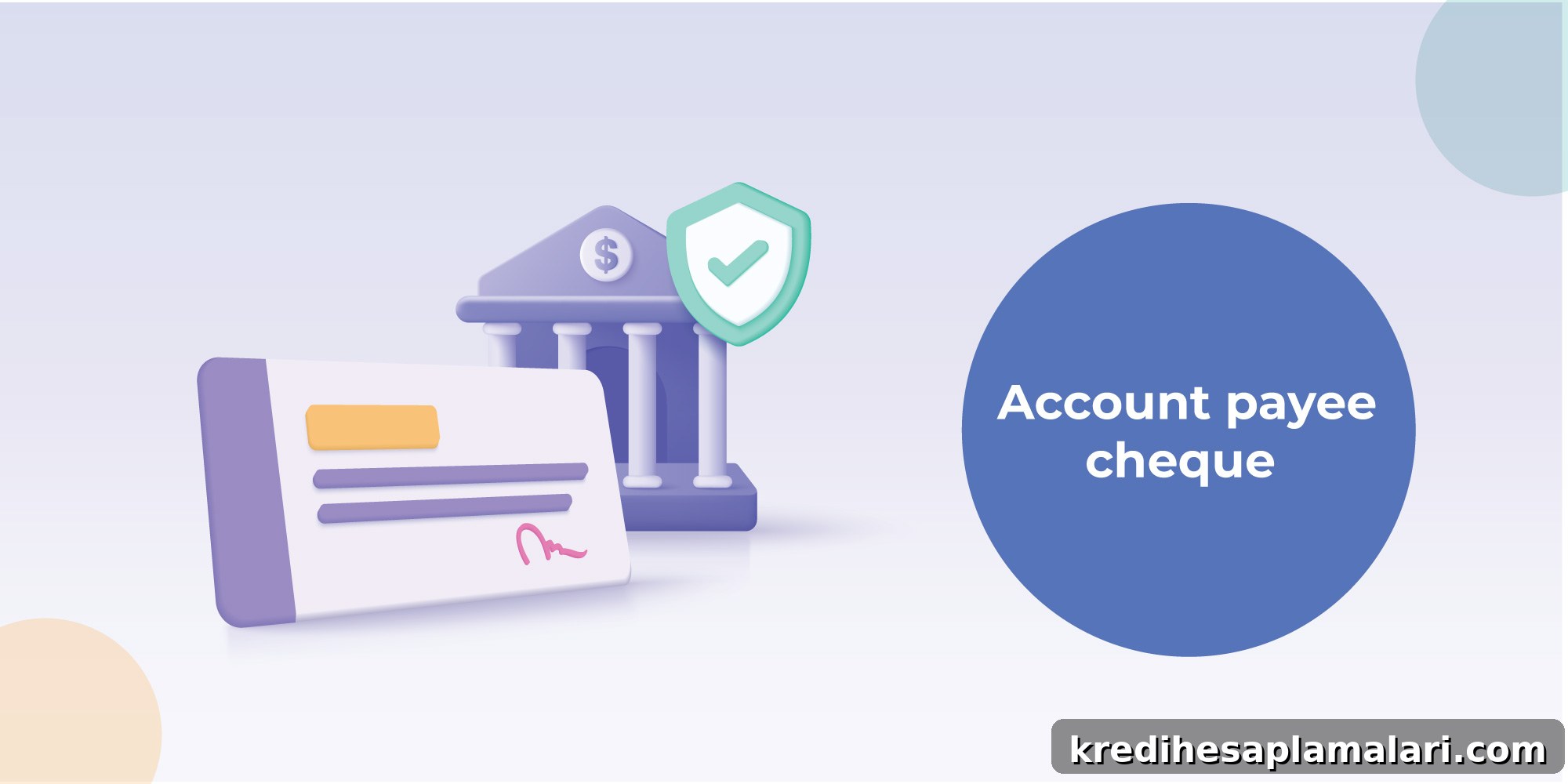
An account payee cheque, commonly called a crossed cheque, is identified by two parallel lines on the top left and the words “A/C Payee” or “Account Payee” written between them. Despite the rise of digital payment options, cheques remain a widely used method for transferring funds because of their simplicity and security.
Understanding what an account payee cheque is and how it works helps you use cheques confidently and safely. Below is a clear, concise guide to its features, how to write and deposit one, and answers to frequently asked questions.
What is an Account Payee Cheque?
An account payee cheque is a cheque that cannot be encashed over the counter. Instead, it must be deposited into the bank account of the person or entity named as the payee. This restriction reduces the risk of fraud or misuse and ensures funds are credited only to the intended recipient.
Key parties involved
- Drawer: The person or account holder who writes and issues the cheque.
- Drawee: The bank instructed to pay the amount from the drawer’s account.
- Payee: The individual or entity to whom the cheque is addressed and who will receive the funds.
Account Payee Cheque: Key Features
Account payee cheques include several security and operational features that protect both payer and payee:
- Two parallel lines on the top-left of the cheque indicate it is crossed and cannot be cashed over the counter.
- The cheque is payable only to the named payee, preventing others from receiving or transferring the funds.
- The amount specified is debited from the drawer’s account and credited only to the payee’s account upon clearance.
- Until the cheque is deposited, the drawer retains control over it, although once deposited the bank processes it per standard clearance rules.
- Encashment is allowed only through the banking system into the payee’s bank account, increasing traceability and security.
How to Write an Account Payee Cheque
Writing an account payee cheque is straightforward if you follow these steps carefully:
- Enter the correct date on the cheque.
- Write the payee’s name in the “Pay” or “Pay to” section.
- Fill in the cheque amount both in numerals and in words.
- Draw two parallel lines on the top-left corner and write “A/C Payee” or “Account Payee” between them, if not pre-printed.
- Sign the cheque in the designated signature area.
- Double-check all details for accuracy to avoid processing delays or rejection.
How to Deposit an Account Payee Cheque
To deposit an account payee cheque, follow this standard procedure:
- Endorse the back of the cheque if required (signature as the payee).
- Visit your bank branch with a valid ID, the cheque, and your account number.
- Complete a deposit slip, providing your account number and the cheque amount.
- Submit the cheque along with the deposit slip to a bank representative.
- After the cheque clears, the amount will be credited to your account.
Clearance time depends on fund availability in the drawer’s account and interbank processing. With correct details, a cheque can clear in as little as one day if drawn on the same bank, or typically up to 3–4 working days if from a different bank.
Significance of an Account Payee Cheque
Account payee cheques add a layer of protection by ensuring payment reaches only the intended recipient’s bank account. They are useful for routine transactions such as paying bills, EMIs, or transferring funds between parties where traceability and security matter. Note that most cheques, including account payee cheques, remain valid for 90 days from the date of issue.
FAQs on Account Payee Cheques
How do I make a cheque an account payee?
Make a cheque an account payee by drawing two parallel lines on the top-left corner and writing “A/C Payee” or “Account Payee” between them, if not already printed.
How do I encash an account payee cheque?
Account payee cheques cannot be cashed over the counter. To receive funds, deposit the cheque into the payee’s bank account following the bank’s deposit procedure and providing necessary identification.
Can you cash a cheque marked “account payee only”?
No. A cheque marked account payee or crossed can only be deposited to a bank account and cannot be cashed directly at the counter.
Can someone else encash an account payee cheque?
No. These cheques are designed so only the named payee can receive the funds via their bank account, reducing the chance of unauthorized encashment.
Who is the payee on a cheque?
The payee is the person or entity named on the cheque to whom the funds are to be paid.
What is the validity of an account payee cheque?
Typically, a cheque is valid for 90 days (3 months) from the date of issue, after which it may be dishonored by the bank.
How long does it take for clearance?
If the cheque is from the same bank, it may clear the same day. For cheques drawn on other banks, clearance commonly takes up to 3 working days, depending on interbank procedures.
What is a cross cheque?
A crossed cheque bears two parallel lines which indicate it can only be deposited into a bank account and cannot be immediately cashed over the counter.
Is there a limit on account payee cheques?
There is no inherent monetary limit for an account payee cheque. Any applicable limits would be set by the issuing bank or the drawer’s account terms.
Can I deposit an account payee cheque at any branch?
Generally, you can deposit a payee cheque at most branches. To ensure equal treatment across branches, some cheques may be marked “Payable at Par.” Follow your bank’s specific guidelines if depositing in a branch other than the drawer’s.