Current Account Explained: Features, Benefits & Key Details
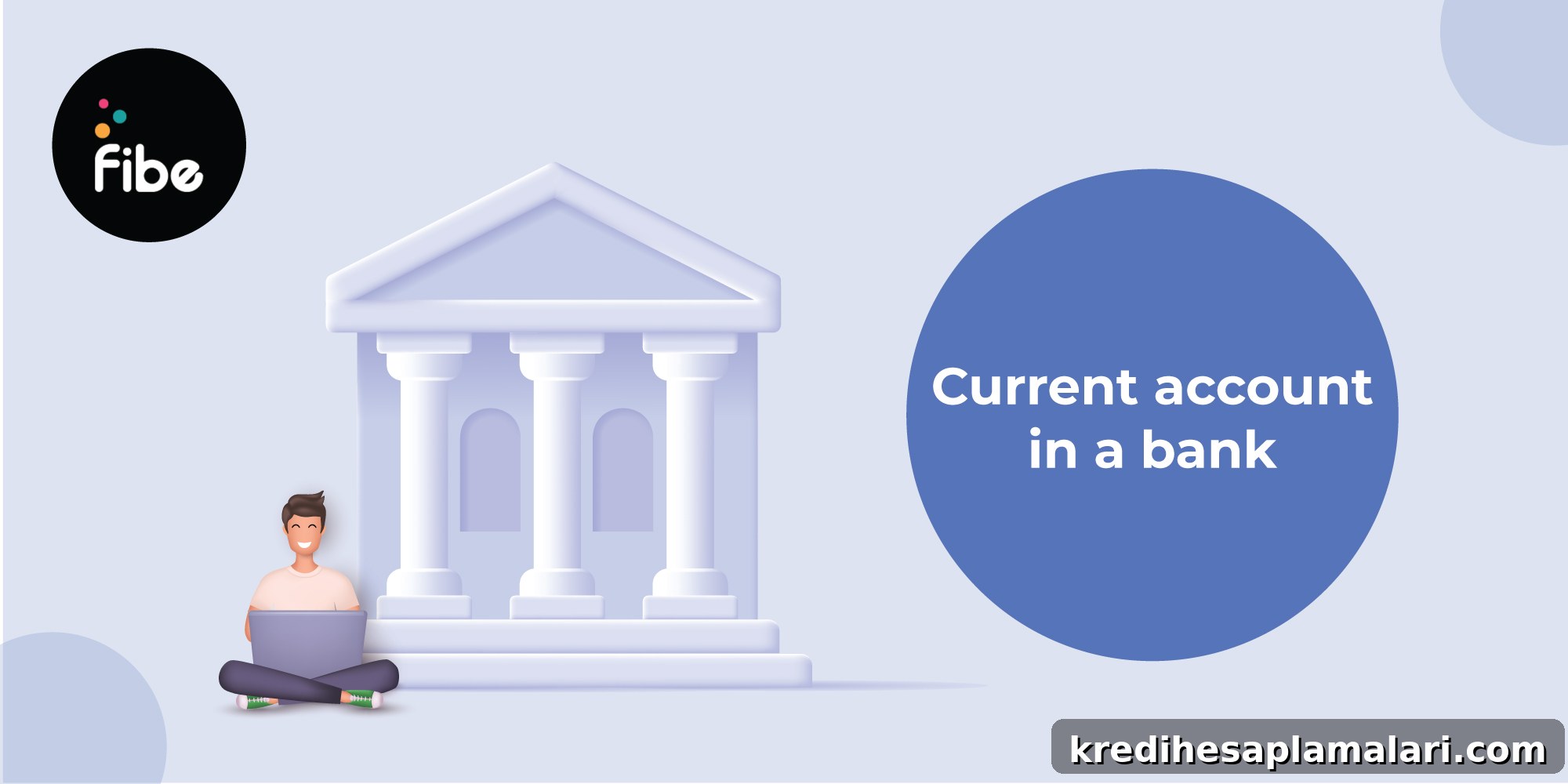
There may be times when you ask, “What is a current account?” Here is a clear explanation.
Banks offer various account types to meet different financial needs. A current account is specifically tailored for businesses, proprietors, and corporate entities, and it differs from a savings account in several key ways. Read on to understand what a current account is, its main features and benefits, how it contrasts with a savings account, and how to open one.
Current accounts are designed primarily for frequent business transactions. They are not intended to earn interest; instead, they provide flexibility and facilities suited to commercial activity. The following types of entities typically open current accounts:
- Individuals
- Sole proprietors
- Partnership firms
- Private companies
- Public limited companies
- Societies
- Trusts
- Hindu Undivided Families
Current Account: A Brief Overview
A current account is a non-interest-bearing bank account focused on business operations and regular transactions. It allows high-frequency activity—cash deposits and withdrawals, fund transfers, cheque transactions, and other payments—without the transaction limits typical of savings accounts.
Features of a Current Account
Key features and advantages of current accounts include:
| Feature & Benefits | Description |
|---|---|
| No Interest | Current accounts generally do not earn interest on deposited balances. |
| Easy Access | Funds are accessible instantly through debit cards, cheques, net banking, and mobile banking. |
| Higher Withdrawal Facility | Account holders can make frequent withdrawals as needed for business operations. |
| No Transaction Limits | There is typically no restriction on the number of transactions in a day, supporting intensive business activity. |
| Overdraft Facility | Many current accounts offer an overdraft facility, providing short-term credit when the account balance is insufficient. |
| Minimum Balance | Banks set different minimum average balance requirements; maintaining this avoids penalties. |
Difference Between a Current Account and a Savings Account
Below are the main differences to help you understand how a current account compares to a savings account.
| Parameters | Savings Account | Current Account |
|---|---|---|
| Purpose | Designed to save funds, build an emergency corpus, or earn interest on surplus balances. | Meant for day-to-day business transactions and operational cash flow. |
| Suitability | Ideal for salaried individuals and people with regular personal income. | Best for business owners, entrepreneurs, self-employed professionals, and entities with high transaction needs. |
| Interest | Savings accounts earn interest at bank-specific rates. | Current accounts do not typically earn interest. |
| Overdrawing Facility | Generally does not allow overdrawing beyond the available balance. | Often permits overdrafts or short-term credit to cover urgent expenses. |
| Minimum Balance | Minimum balance requirements vary by bank and account type. | Minimum balance rules depend on the bank and the specific current account product. |
| Transactions | May have limits on the number of free transactions per day or month. | No limit on transaction frequency, making it suitable for businesses with heavy transaction volumes. |
Steps to Open a Current Account
Opening a current account is straightforward. Follow these steps:
- Step 1: Compare banks based on benefits, eligibility criteria, charges, and account features.
- Step 2: Visit the chosen bank’s website to review current account options.
- Step 3: Locate the current account section and check available variants and facilities.
- Step 4: Complete the online account opening form with accurate personal and business details.
- Step 5: Download and print the completed form if required for branch submission.
- Step 6: Visit the nearest branch to submit documents and finalize the application.
- Step 7: Provide the required identity, address, and business-related documents as per the bank’s checklist.
- Step 8: Complete the KYC process and make the initial deposit to activate the account.
Each bank may have specific eligibility criteria, documentation requirements, and account variants, so verify these details before applying to avoid delays.
FAQs on Current Account
What is meant by a current account in a bank?
A current account is a bank account used mainly by merchants, business owners, and companies for managing daily transactions. Businesses often use current accounts to handle payments, collections, and payroll operations for employees.
Does the current account have an ATM card?
Yes. Most current accounts provide a debit card that can be used for cash withdrawals, point-of-sale payments, and online transactions. It also enables authentication for digital payments.
Can I convert my savings account to a current account?
No. A current account is specifically structured for business transactions and offers features and facilities different from a savings account. If you require a current account, you must submit a new application and meet the bank’s requirements for business accounts.
Can I withdraw money from a current account?
Yes. You can withdraw funds from a current account using an ATM card, cheques, or branch withdrawals. Current accounts typically do not impose daily transaction limits, supporting frequent business withdrawals and payments.