What Is a One-Time Password (OTP) and How It Works
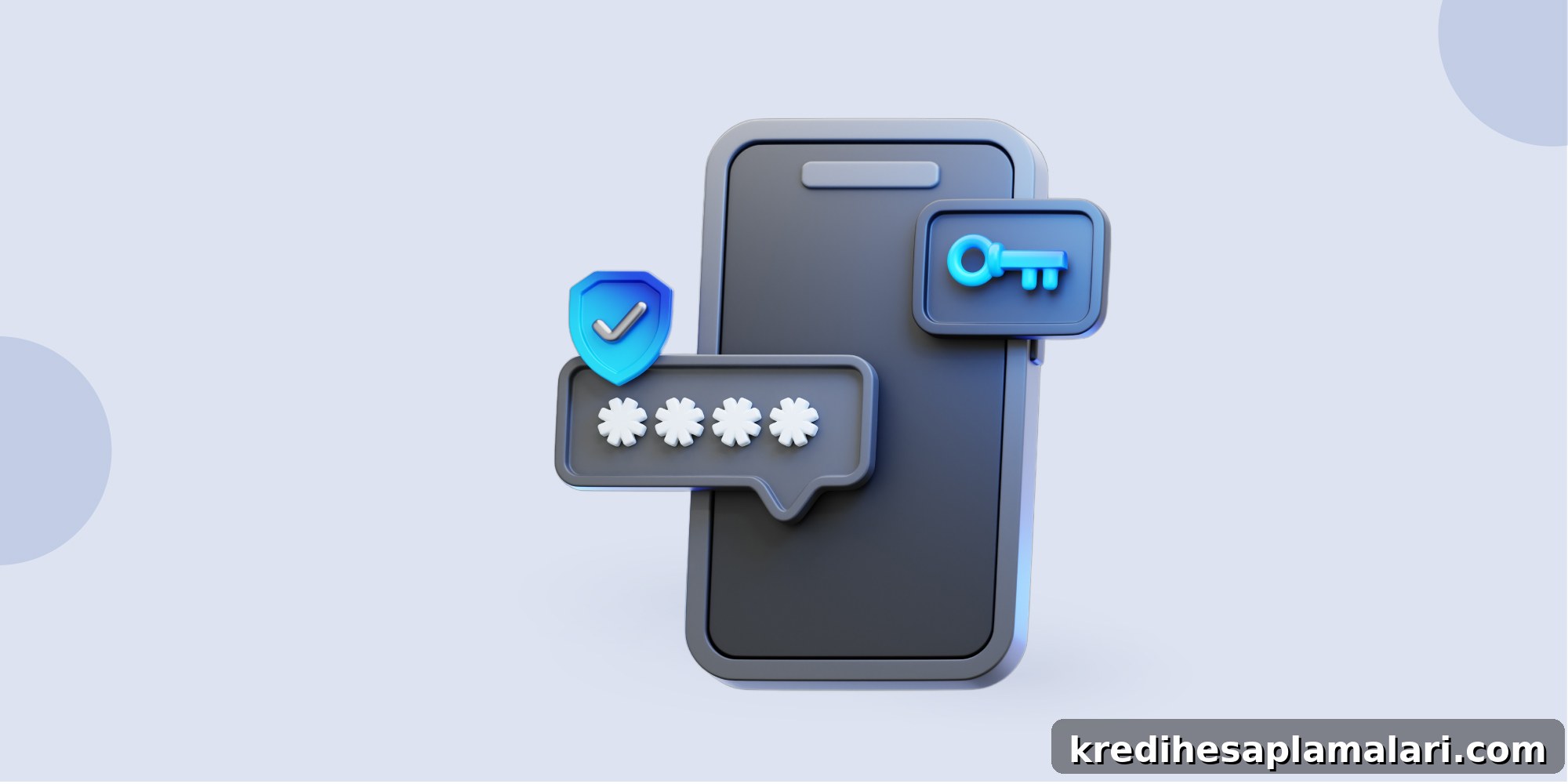
With digital banking and online transactions now part of everyday life, security is essential. One-Time Passwords (OTPs) provide an additional layer of protection for activities such as logging in, confirming payments, or completing other sensitive actions. By design, OTPs help ensure that only the legitimate user can access an account or finalize a transaction.
Below is a clear overview of what OTPs are, how they work, their types and benefits, and common issues to be aware of.
OTP Full Form and Meaning
OTP stands for One-Time Password. It is a temporary numeric or alphanumeric code sent to your registered mobile number or email to verify identity. Unlike static passwords that remain unchanged until manually updated, an OTP is valid only once and only for a short time window, which makes it more secure against reuse or interception.
Why OTPs Matter
OTPs act like digital keys in a two-factor authentication (2FA) setup, adding a second layer of verification beyond what you know (a password). Because OTPs rely on something you have (for example, your phone or access to your email), they reduce the risk of unauthorized access, phishing, and fraudulent transactions.
How One-Time Passwords Work
An OTP is a temporary, system-generated code used to confirm your identity during a digital session. A typical OTP flow looks like this:
- The system generates a unique OTP when you attempt to sign in or perform a sensitive action.
- The OTP is sent to your registered mobile number or email address.
- You enter the OTP into the verification field within the allowed time.
- After it is used or the time window expires, the OTP becomes invalid.
Types of One-Time Passwords
Different systems implement OTPs using several common methods:
- Time-Based OTP: These codes are valid only for a short period (usually 30 to 300 seconds). After the time limit, the code expires automatically.
- Event-Based OTP: Generated for a specific action—such as a login or a transaction—and valid until used or replaced.
- SMS-Based OTP: The most common delivery method, where the code is sent as an SMS to your mobile phone.
- App-Based OTP: Codes generated within an authenticator app on your device, often considered more secure than SMS.
Benefits of OTPs Over Static Passwords
OTPs offer several advantages compared to permanent passwords:
- Improved Security: OTPs are single-use and time-limited, minimizing risk even if a code is intercepted.
- Reduced Exposure in Data Breaches: Static passwords stored in databases can be leaked and reused. OTPs are generated in real time and cannot be reused, limiting their value to attackers.
- Lower Phishing Risk: Because OTPs expire quickly, phishing attempts that capture an OTP are less likely to succeed than those that capture a static password.
- Simpler for Users: Users do not need to remember complex passwords for each service, which reduces friction during login or verification.
- Faster Verification: OTP-based flows often enable quick identity confirmation, helping complete digital processes more efficiently.
Common OTP Problems and Causes
While OTPs enhance security, users sometimes experience issues during verification. Common problems include:
- OTP Not Received: Delivery can be blocked or delayed by network problems, Do Not Disturb (DND) settings, or temporary service outages.
- Delayed OTP: If an OTP arrives after its validity window, you may need to request a new code.
- Incorrect Contact Details: If the service has an outdated or wrong phone number or email on file, the OTP will not reach you.
- Expired OTP: Because OTPs are time-sensitive, entering them after expiry results in a failed verification.
- Multiple Failed Attempts: Repeated incorrect entries can lead to temporary locks or slower processing for security reasons.
- Changes to SIM or Network: Switching SIM cards, devices, or providers can interfere with OTP delivery due to added security checks.
Best Practices for Using OTPs
To maximize the security and reliability of OTPs, follow these simple practices:
- Keep your registered contact details up to date with your service providers.
- Avoid sharing OTPs with anyone, even if they claim to be from your bank or a trusted service.
- Use app-based authenticators where possible for greater resiliency against SIM-based attacks.
- Check your device and network settings if OTPs are frequently delayed or not received.
Conclusion
One-Time Passwords are an effective, widely adopted tool for authenticating users, protecting accounts, and reducing fraud in online transactions. When implemented and used correctly, OTPs significantly strengthen security without adding much friction to the user experience. Keep your contact information current and follow recommended practices to avoid common delivery and expiry issues.
FAQs on OTPs or One-Time Passwords
How do I find my OTP code?
Your OTP is sent to the registered mobile number or email address you provided to the service when you attempt to log in or complete a transaction.
Do one-time passwords expire?
Yes. OTPs expire quickly—commonly within 30 seconds to several minutes—depending on the platform’s settings. This short lifespan reduces the chance of misuse.
Why do I sometimes not receive OTP messages?
Delivery problems can result from network issues, incorrect contact details, device settings like DND, or temporary service delays with the sender or carrier.
Is SMS-based OTP safe for online transactions?
When used properly and not shared, SMS-based OTPs add a valuable security layer. For higher security needs, consider authenticator apps or hardware-based methods.