Tax-Saving Fixed Deposits: A Complete Guide to Benefits & Rules
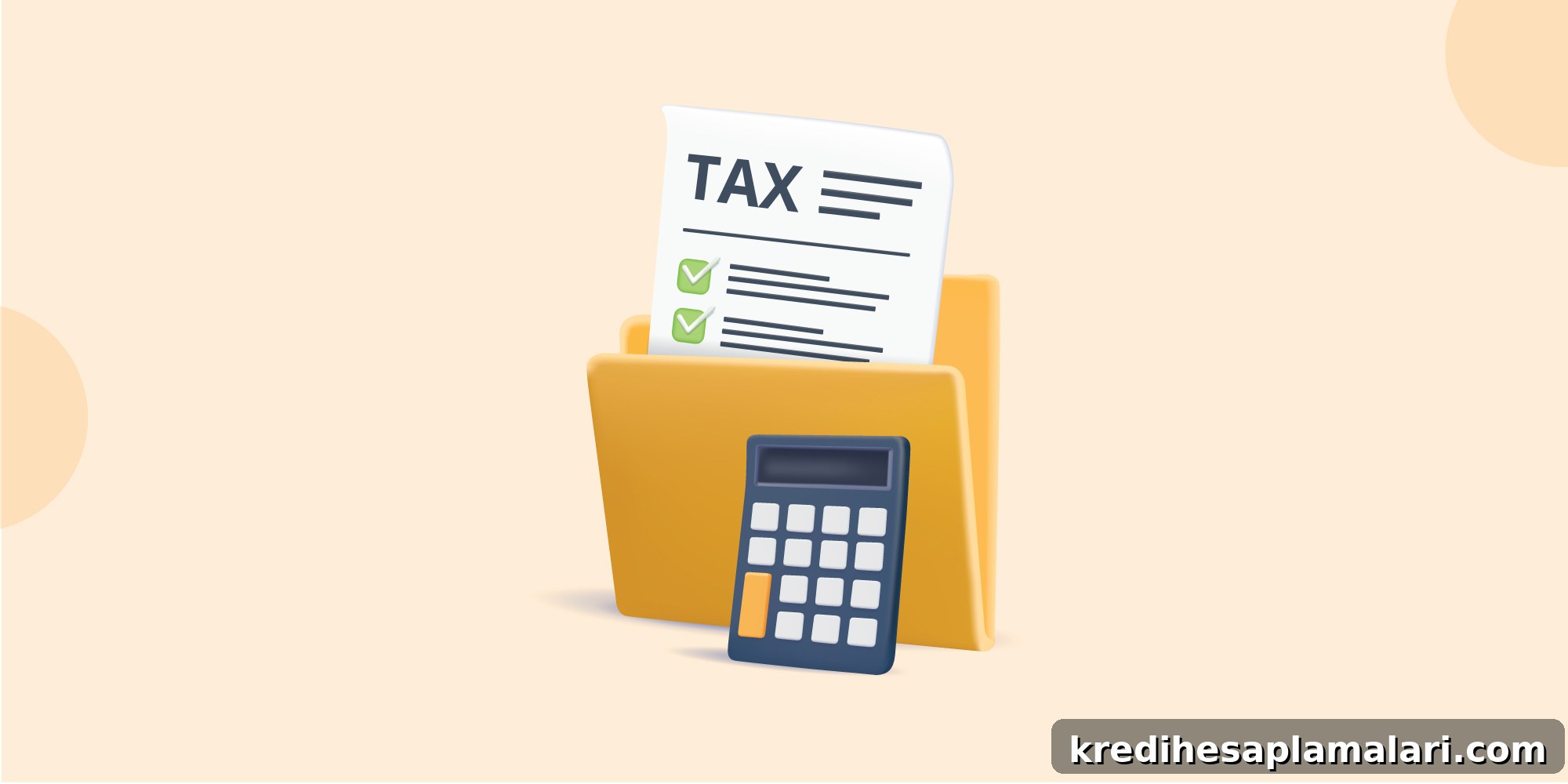
Tax-saving fixed deposits are fixed-deposit schemes with a mandatory five-year lock-in, offered by banks and post offices. Like regular FDs, they provide a fixed rate of interest and preserve capital safety. The interest earned is taxable, but the principal invested qualifies for deduction under Section 80C of the Income Tax Act, helping you reduce taxable income while earning assured returns.
If you have been wondering what a tax-saving FD is and how it differs from a regular fixed deposit, this article explains the meaning, workings, and key considerations before investing.
What are Tax Saving Fixed Deposits?
Tax-saving fixed deposits are special FDs specifically structured to provide a tax benefit. Investments up to ₹1.5 lakh in a financial year can be claimed as a deduction under Section 80C. These FDs have a strict five-year lock-in period: premature withdrawals and loans against the deposit are not permitted. The interest rate is fixed for the entire term, and because returns are not linked to market movements, these deposits are among the safest tax-saving instruments.
Key Features of Tax Saving Fixed Deposits
Major characteristics that set tax-saving FDs apart from standard FDs include:
- Lock-in period: 5 years with no early withdrawal or loan facility.
- Tax benefits: Deduction up to ₹1.5 lakh in a financial year under Section 80C.
- Interest payout: Options for monthly, quarterly, or cumulative (at maturity) payouts.
- Assured returns: Fixed interest rate for the whole tenure.
- Joint holding: Only the first holder in a joint account can claim the Section 80C benefit.
How Do Tax Saving Fixed Deposits Work?
The principal amount you invest in a tax-saving FD is eligible for deduction under Section 80C, subject to the overall ₹1.5 lakh limit shared across other instruments such as PPF, ELSS, EPF, NSC and life insurance premiums. Interest earned on the FD is taxable according to your income-tax slab.
Banks deduct Tax Deducted at Source (TDS) if annual interest exceeds the prescribed thresholds—commonly ₹40,000 for regular taxpayers and ₹50,000 for senior citizens, though limits may vary. If your total income is below the taxable threshold, you can submit Form 15G or Form 15H (as applicable) to avoid TDS. Keep the FD certificate safe and verify TDS credits through Form 26AS.
Example: If you invest ₹1,50,000 in a tax-saving FD at 6.5% per annum on a cumulative basis:
- First-year simple interest = ₹1,50,000 × 6.5% = ₹9,750.
- Under the cumulative option, interest compounds annually, so each year’s interest is added to the principal for the next year’s computation.
- Over five years, cumulative interest will be higher than simple aggregation; in a simple illustrative calculation, total interest might be around ₹48,750 (actual amount depends on compounding frequency).
- If you are in the 20% tax slab, the first year’s tax on interest would be ₹9,750 × 20% = ₹1,950; tax liability increases as interest compounds.
- You still benefit from Section 80C in the year of investment by claiming the principal up to ₹1.5 lakh as a deduction.
In short, you get guaranteed returns and an 80C deduction on the invested amount, but interest income is taxable according to your slab.
Tax Saving Fixed Deposits Eligibility
- Available to resident individuals and Hindu Undivided Families (HUFs).
- Most banks do not permit NRIs to open tax-saving FDs.
- PAN is required for claiming TDS credit and for compliance.
Benefits of Tax Saving Fixed Deposits
Tax-saving FDs are popular for their simplicity and low risk:
- Tax deduction: Claim up to ₹1.5 lakh under Section 80C.
- Safety: Fixed returns unaffected by market volatility.
- Convenience: Easy to open online or at a bank/post office branch.
- Availability: Widely offered by most banks and post offices.
- Higher rates for seniors: Senior citizens may receive additional interest benefits.
Who Should Invest in a Tax Saving FD?
Tax-saving fixed deposits suit investors who prioritize capital protection and predictable returns:
- Salaried individuals seeking a safe tax-saving option.
- Retirees looking for steady interest income with tax advantage on principal.
- Conservative investors who want guaranteed returns without exposure to market risk.
- Those complementing tax-saving portfolios with instruments like ELSS or PPF.
Things to Know Before You Invest
Consider the following before investing in a tax-saving FD:
- Interest earned is taxable and may attract TDS above prescribed thresholds.
- Premature closure of the FD is not permitted due to the statutory lock-in.
- No loan or overdraft facilities are available against these FDs.
- Auto-renewal provisions are typically not applicable for the tax-saving variant.
- Nomination facility is usually provided.
- In joint accounts, only the first holder can claim the Section 80C deduction.
- Only five-year FDs qualify for the tax benefit under Section 80C.
How to Open a Tax Saving Fixed Deposit?
Opening a tax-saving FD is straightforward and can be done through multiple channels:
- Bank branch: Complete the application form and deposit by cash, cheque, or transfer.
- Online: Use internet banking and select the tax-saving FD option.
- Post office: Submit the required form and deposit the amount by cash or cheque.
Tax-saving fixed deposits help reduce taxable income while delivering fixed, guaranteed returns without market risk. They are suitable for conservative investors who value capital safety and predictable income.
Many banks and platforms also allow opening FDs with modest minimum deposits and provide simple online processes to avoid lengthy paperwork and branch visits.
FAQs on Tax Saving Fixed Deposits
Is a 5-year FD tax free?
No. The invested principal qualifies for deduction under Section 80C, but the interest earned is taxable.
Can a fixed deposit be used for tax exemption?
Yes. Fixed deposits with a five-year lock-in qualify for deduction under Section 80C, allowing tax benefit on the invested amount.
How much FD is safe from Income Tax?
You can claim a deduction on investments up to ₹1.5 lakh in a financial year under Section 80C. Interest income from the FD, however, remains taxable as per your income slab.