How Repo Rate Changes Impact Personal Loan Interest Rates
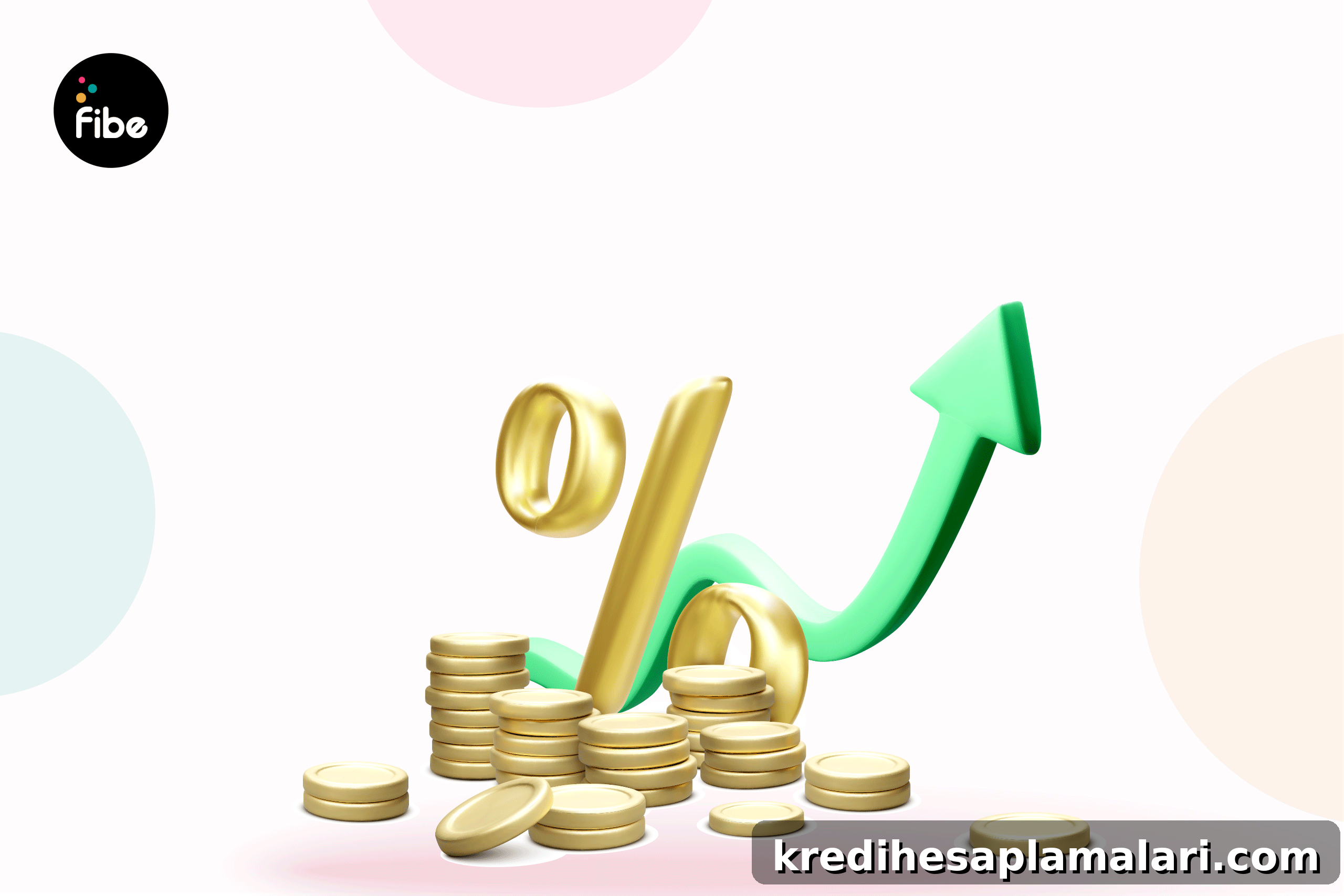
Do you understand how a rise in the repo rate can influence your personal finances? When you take out a loan, the interest rate charged by lenders is not arbitrary; it is tied to the prevailing repo rate and each institution’s lending policy.
Key points to know:
- The repo rate is the rate at which financial institutions borrow funds from the Reserve Bank of India (RBI).
- The RBI sets this rate based on current economic conditions, inflation trends and broader monetary policy goals.
- Because it affects banks’ borrowing costs, changes in the repo rate have a direct impact on the interest rates consumers pay.
- At present, the RBI’s repo rate stands at 6.50%.
What is the Repo Rate?
The repo rate, short for repurchase rate, is the interest rate at which the Reserve Bank of India lends money to commercial banks and non-banking financial companies (NBFCs). In simple terms, the higher the repo rate, the higher the cost of funds for lenders, and typically the higher the rates borrowers face. Understanding this relationship helps you see how repo rate movements influence personal loans and other credit products.
How Personal Loan EMIs Are Affected by the Repo Rate
The RBI adjusts the repo rate to manage inflation and liquidity. When inflation is rising, the RBI may increase the repo rate to cool demand; when the RBI wants to stimulate the economy, it may lower the rate to encourage borrowing and spending.
An increase in the repo rate raises lenders’ funding costs, which often translates into higher interest rates on personal, home, business and other loans. When interest rates rise, monthly EMIs on floating-rate loans also go up. Conversely, a cut in the repo rate reduces lenders’ borrowing costs and can lead to lower interest rates and smaller EMIs for borrowers.
In short: a reduction in the repo rate tends to lower your EMIs, while a rise in the repo rate generally increases your EMIs, especially if your loan carries a variable interest rate.
Other Factors That Affect Your Personal Loan EMI
Besides the repo rate, several borrower- and loan-specific factors influence the interest rate you receive and the EMI you ultimately pay.
Credit Score
Lenders charge higher interest rates to borrowers with low credit scores to offset increased default risk. Maintaining a strong credit score can help you qualify for lower interest rates and reduce borrowing costs.
Loan Amount
Borrowing a larger sum increases the lender’s exposure and may lead to higher rates. To keep EMIs manageable, borrow only what you need.
Repayment Tenure
Tenure and EMI are inversely related: a longer tenure lowers the monthly EMI but increases total interest paid over the loan’s life. Choosing the right tenure depends on balancing monthly affordability with overall cost.
Debt-to-Income Ratio
Lenders evaluate your existing liabilities relative to income. A high debt-to-income ratio can make lenders cautious and may result in less favorable rates, while a low ratio improves your chances of better terms.
Net Income
Stable, higher income signals repayment capacity and can lead to lower interest rates. Employed applicants with a steady work history typically receive more competitive offers.
Lender–Borrower Relationship
If you have an established relationship with a bank or NBFC—such as prior loans repaid on time—you may be eligible for preferential rates or offers, which can reduce your EMIs.
Overall, repo rate changes reflect economic conditions and the RBI’s monetary policy. When the repo rate is low, borrowing becomes more affordable, so it’s generally better to apply for loans during such periods if possible.
If you need quick credit with simple documentation, some lenders market instant cash loans with competitive rates and flexible tenures. These products aim to provide fast access to funds for urgent needs, though terms and eligibility vary by provider.
FAQs: How Repo Rates Affect Personal Loans
Does the repo rate affect personal loans?
Yes. The repo rate set by the RBI influences banks’ and NBFCs’ funding costs, which in turn affects the interest rates offered on personal loans and other credit products.
How does a hike in the repo rate affect your personal finances?
If the RBI raises the repo rate, borrowing costs for lenders increase, and variable-rate loans will likely see higher EMIs. This raises the cost of servicing existing debt and makes new loans more expensive.
Is an increase in the repo rate good or bad?
A repo rate increase has both advantages and drawbacks. While higher rates raise borrowing costs for consumers and businesses, they can deliver better returns on savings and fixed deposits, and help control inflation. Whether a rate hike is “good” or “bad” depends on your financial position—borrowers generally prefer lower rates, savers may benefit from higher rates.